The Story
Why it exists.
The beginning
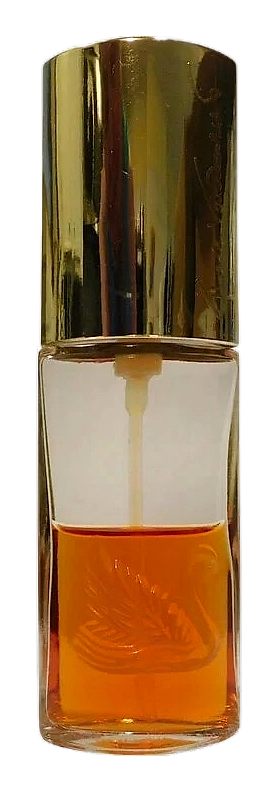
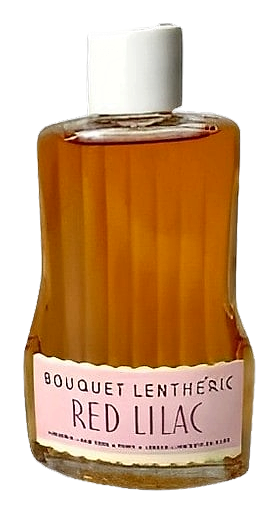
Red Lilac arrived in 1958 from Lentheric, a British company with a long history in personal fragrance. By the post-war years the brand had built a catalog of compositions centered on accessible florals aimed at everyday wearers. Red Lilac was released into that lineup as a direct proposition. Rather than build a layered multi-floral bouquet, Lentheric pointed at a single bloom and committed. The name says exactly what is inside. The fragrance was discontinued at some point, which only sharpens its curiosity today. Red Lilac carries the kind of single-note confidence that feels almost defiant in a decade that loved complexity. It does not negotiate with the wearer. It announces itself and then waits to be discovered.
Lilac is one of perfumery's most reluctant flowers. Its natural absolute is famously difficult to capture, with a green, slightly indolic character that does not behave well in a bottle. Most houses solve this by wrapping lilac in layers of other florals, violet leaves, or supportive accords to tame its rougher edges. Red Lilac does less of that work. The composition centers on a lilac accord supported by muguet (lily of the valley) and hawthorn, a floral pairing that gives the whole thing a dew-damp, almost soapy clarity.
The evolution
The opening moments hit with citrus brightness. Neroli and bergamot sharpen the edges, while orange blossom brings a slightly honeyed warmth that keeps it from feeling austere. It smells like walking past a flowering courtyard in the morning, not like a fruit-forward cologne. The shift into the heart phase is where this fragrance stops being polite and becomes specific. Lilac arrives alongside muguet, and the green almost-cucumber note in lily of the valley undercuts any sweetness the orange blossom tried to leave behind. Hawthorne shows up here too, giving it a faint dusty sweetness, like pollen in the air before you see the flower. The jasmine is barely there, more texture than tone. Angelica seed gives a slightly celery-like coolness that grounds the whole thing in something herbal and real. As the hours wear on, the soapy musk takes over and the composition softens into its drydown.
Cultural impact
Red Lilac belongs to a small tradition of post-war florals that committed to a single flower as the whole story. It is the kind of scent that rewards wearers who want clarity over complexity, a clear read of lilac rather than a baroque construction layered with moss, fruit, or spice. For vintage collectors it represents a moment when florals were allowed to be simple, and when a brand could put a flower's name on a bottle and mean it literally. The fragrance captures an attitude that is harder to locate in modern launches, where every composition seems to compete for attention with louder notes and bigger statements.