The Story
Why it exists.
The beginning
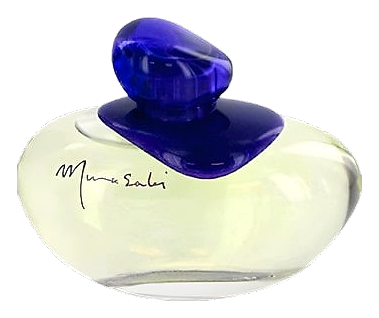
Morinosei arrived in 1991 from Kanebo, a Japanese house. The fragrance draws on the chypre architecture that defined the early 1990s: citrus up top, florals in the middle, mossy woods underneath. That structure gives it a dry, slightly bitter backbone, with the floral heart offering a soft cushion before the oakmoss and woods settle into something grounded and quietly resinous. The citrus opening tends to read as bergamot and a touch of mandarin, bright but never sharp, fading within the first hour to let the rose and jasmine at the center take over. As the hours pass, the composition deepens: the mossy base grows more prominent, the woods warm up, and the whole thing settles into a close-to-skin drydown that lasts well into the evening.
What makes this composition interesting is its compression. Three citrus notes at the opening, two florals at the heart, three base materials closing it out. None of them shout. Bergamot and lemon open bright, but the jasmine-rose heart tempers them before they can burn off too quickly. Oakmoss anchors the base with the earthy, almost forest-floor depth that defines the chypre category, paired here with cedarwood for warmth and amber for a touch of resinous softness. The restraint feels deliberate, like the entire structure was built to be worn close rather than broadcast.
The evolution
The first ten minutes belong to bergamot and lemon, sharp and clean, with orange softening the edges into something more rounded. There's a brightness here that reads almost edible before the florals intervene. Jasmine arrives next, not indolic or heavy, but clean and slightly green, joined by rose in a proportion that keeps the heart from veering into old-fashioned territory. The two florals hold the center for roughly the first hour, moving together rather than competing. Around the 90-minute mark, the base starts to surface. Oakmoss is the dominant voice by the second hour, bringing that signature damp, earthy depth, while cedarwood adds a dry, almost pencil-shaving warmth underneath. Amber smooths the transition, keeping the drydown from going too austere. What remains after four hours is mostly oakmoss and a trace of cedar, close to skin, the kind of scent you'd catch on a scarf the next morning rather than notice across a room.
Cultural impact
Morinosei is not the kind of release that demanded headlines, and that restraint is part of its appeal. The composition reads as composed and deliberate rather than attention-grabbing, preferring a soft entry and a gradual drydown to any loud statement. The citrus opens quietly, the florals bloom rather than burst, and the mossy base takes its time coming forward. Wearing it feels like spending time with a fragrance that knows exactly what it wants to be: a layered chypre that rewards attention to its slow evolution on skin.