The Story
Why it exists.
The beginning
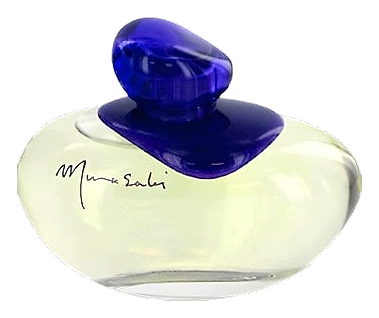
Murasaki arrived in 1980, when Japanese fragrance houses were making their first serious bid for global presence. Shiseido had spent decades learning from Europe, Paris World Exhibition in 1900, a dedicated fragrance laboratory in France, and 1980 felt like the moment to prove what that cross-cultural education had built. The name carries cultural weight: Murasaki is the Japanese word for violet, but also the name of Murasaki Shikibu, the lady-in-waiting who wrote The Tale of Genji. Elegance with literary depth. That was the brief.
The composition is a conversation between East and West. Green notes, hyacinth, galbanum, feel Japanese, like the air in a formal garden at dawn. The heart of lily of the valley, rose, jasmine, and orris root pulls from the European floral tradition. The base of oakmoss, leather, sandalwood, and amber anchors everything in the classic chypre structure. The tension between crisp green and powdery softness is the whole point. It shouldn't work as well as it does.
The evolution
The opening arrives clean and green. Hyacinth and galbanum set the tone first, crisp, slightly bitter, the scent of stems cut at dawn. Bergamot adds a brief citrus lift before gardenia joins, bringing its waxy white floral sweetness to the green. The transition takes twenty minutes. The heart is where Murasaki earns its powdery reputation. Lily of the valley and orris root carry the next hour, with jasmine and rose filling in the spaces between. The effect is soft, almost delicate, powder without being dusty. Then the base arrives quietly. Oakmoss and leather form the classic chypre foundation, but sandalwood and amber keep it warm rather than austere. Vetiver adds an earthy undertone that grounds everything. The drydown stays close to the skin for hours. Moderate sillage, true, but it lasts. Six to eight hours on most skin types, with the oakmoss and sandalwood holding structure all the way through.
Cultural impact
Murasaki represents Shiseido's quiet emergence onto the global fragrance stage in 1980. Where other houses reached for spectacle, Shiseido built from restraint, the Japanese cultural preference for understatement translated into a chypre that works through structure rather than volume. The fragrance has stayed in production since launch, a rare feat that speaks to enduring appeal. Wearers who know it tend to seek it out again.