The Story
Why it exists.
The beginning
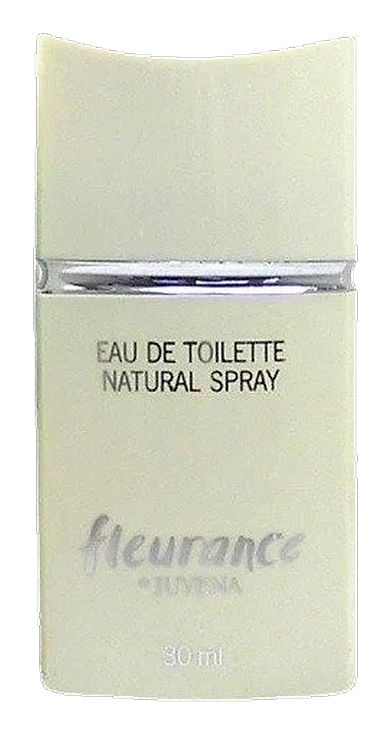
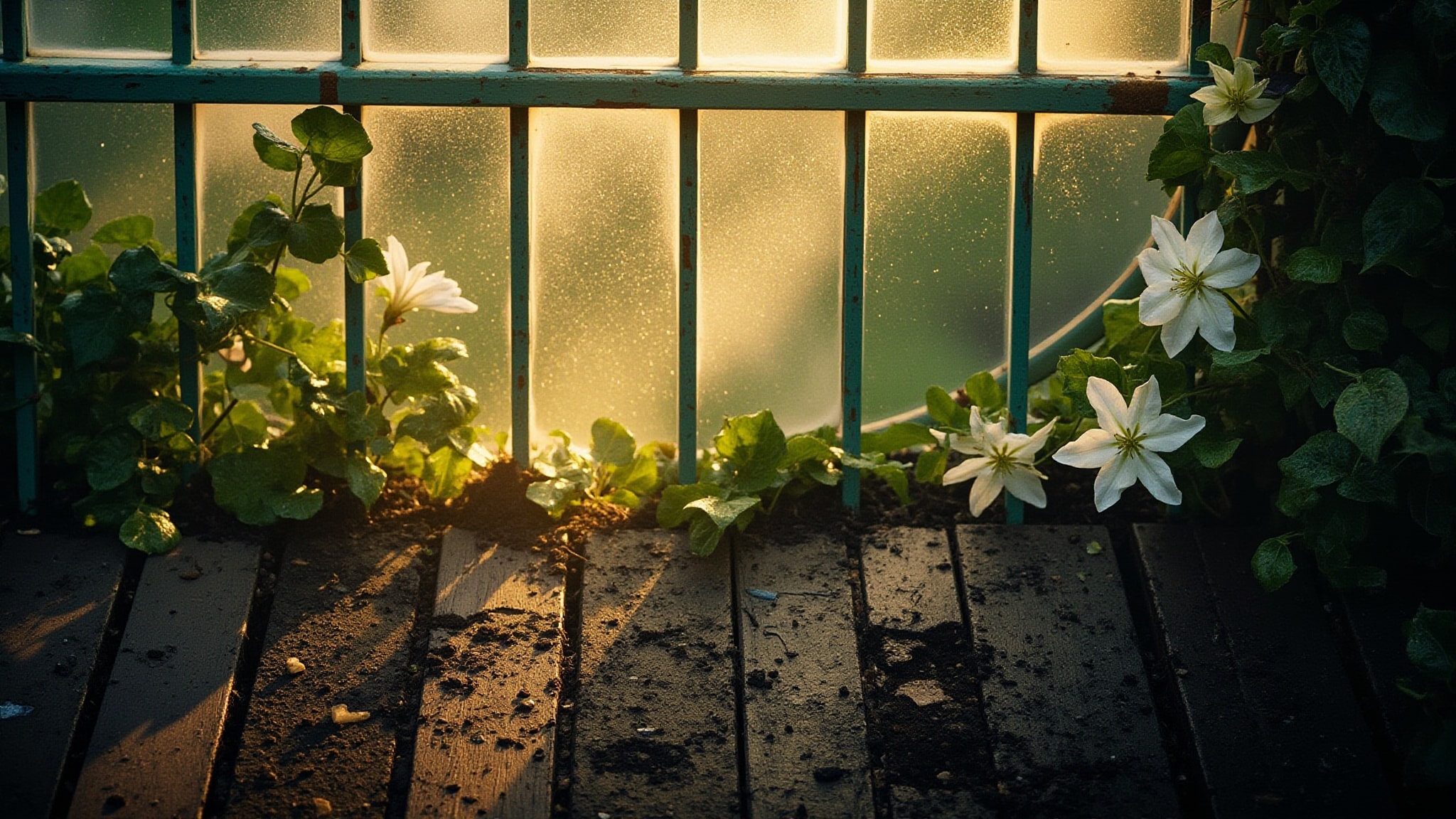
In 1994, Swiss house Juvena, founded in 1954, set out to bottle the ephemeral beauty of a spring garden in parfum form. The perfumers drew on Swiss precision and the house ethos of youthful continuity, layering bergamot and galbanum with aldehydes to create an opening that felt like stepping into a sunlit greenhouse. The fruity notes and hyacinth added dimension, ensuring the top impression was neither fleeting nor superficial. This was not a fragrance designed to impress at first spray alone; it was built to evolve.
The note selection in Fleurance reflects a philosophy of balance rather than spectacle. The aldehydic opening serves as an introduction, the white floral heart represents the garden in full bloom, and the oakmoss-sandalwood drydown ensures the fragrance ages gracefully on skin. Each layer builds upon the previous, creating a parfum that rewards patience and attention. The combination of bergamot, galbanum, and hyacinth in the opening sets a green, precise tone, while the heart of jasmine, tuberose, and ylang-yllang provides lush floral richness that the drydown tames into sophisticated warmth.
The evolution
The fragrance transitions from its aldehydic opening into a heart that represents the full bloom of that spring garden. Jasmine and ylang-yllang emerge as the primary floral voices, with tuberose adding creamy richness and rose softening the overall impression. Lily of the valley, narcissus, and African orange flower contribute layered floral complexity that rewards attention. The drydown shifts the narrative toward timelessness, with oakmoss anchoring the composition in classic chypre territory while sandalwood, cedarwood, musk, and amber create a warm, lingering base that speaks to longevity and craftsmanship.
Cultural impact
Since its 1994 debut, Fleurance has become a quiet favorite among collectors who appreciate its balanced green‑floral‑woody character, often mentioned alongside classic spring parfums in niche forums. Over the decades it has inspired a small wave of indie creators to explore hyacinth and galbanum pairings, and it is frequently cited in retrospectives as a benchmark for elegant simplicity in modern niche perfumery, reinforcing the genre’s appreciation for understated complexity and seasonal resonance.