
The Story
Why it exists.
The beginning
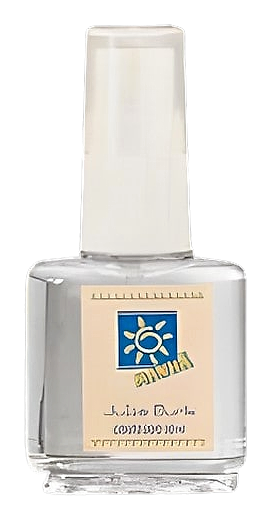
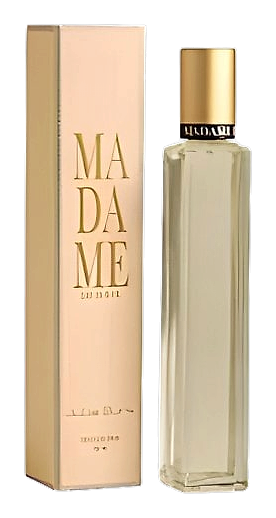
Madame de Julie arrived in 1989 from Julio Burko, the principal nose behind Julie Burk Perfumes' early compositions. Its story lives in the materials themselves: orange blossom, honey, and red berries meeting tuberose, cinnamon, cloves, coriander, black pepper, amber, labdanum, Brazilian spices, and sandalwood. The opening offers a bright floral-fruity impression, with orange blossom lending a clean citrus lift, honey adding rounded sweetness, and red berries introducing a vivid, tart accent. Tuberose brings a creamy floral body, while cinnamon, cloves, coriander, and black pepper introduce aromatic spice and peppery heat. Amber, labdanum, Brazilian spices, and sandalwood settle the composition with resinous warmth and a soft woodiness.
What makes the structure compelling is its opposition. Orange blossom and honey give the opening sweetness without making it syrupy, while tuberose adds a creamy floral weight with a shadowed, animalic edge. Cinnamon, cloves, coriander, and black pepper then interrupt that softness with aromatic heat. The notes continue to interact as the fragrance develops: orange blossom keeps a fresh lift beneath the honey, berries add a restrained tartness, and tuberose gives the floral heart a fuller texture.
The evolution
The first impression is polished and bright, with orange blossom, honey, and red berries giving the composition a gilded, fruitful lift. Orange blossom supplies a clean floral-citrus facet, honey rounds the sweetness, and red berries add a lively tart edge. As those notes recede, tuberose moves forward, turning the sweetness powdery and more intimate. Its creamy floral character gives the middle a soft, substantial quality, with a slightly shadowed edge. Cinnamon and black pepper add a clean bite, then cloves and coriander carry the fragrance into warmer territory. Coriander brings an aromatic herbal accent, while cloves deepen the sweet spice. The base takes over with amber, labdanum, Brazilian spices, and sandalwood, replacing the opening's brightness with resinous depth and dry heat.
Cultural impact
Madame de Julie presents a layered account of Julie Burk Perfumes through its composition of orange blossom, honey, red berries, tuberose, cinnamon, cloves, coriander, black pepper, amber, labdanum, Brazilian spices, and sandalwood. Its appeal lies in the changing relationships between these materials: fresh floral brightness and rounded fruit sweetness meet creamy tuberose, aromatic spice, resinous warmth, and smooth wood. The composition invites close attention as each note shifts forward and recedes, revealing a fragrance that is poised, tactile, and richly textured.
The House
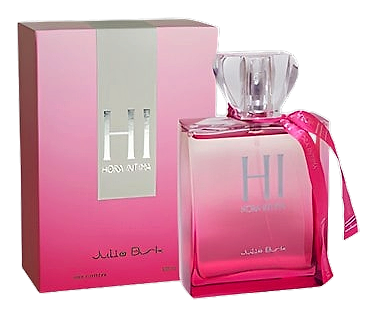
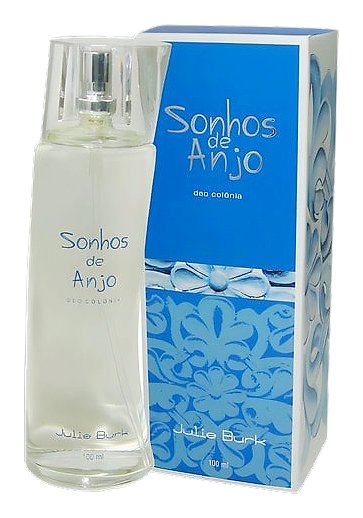
Julie Burk PerfumesJulie Burk Perfumes is a Brazilian fragrance house born in Curitiba, Paraná, in the early 1980s. Founded by the creative duo Julio Burko and Julie, the brand became a household name across Brazil during the 1980s and 1990s, a period when locally produced perfumes competed openly with imported European houses. Today the brand operates from a boutique on Jesuíno Marcondes in central Curitiba, maintaining a catalog that spans decades of Brazilian olfactory memory. Graffus (1986), Hora Íntima (1987), and Madame de Julie (1989) remain touchstones for a generation of Brazilian fragrance collectors, while newer releases like Bambu and Sonhos de Anjo (both 2003) show the house continuing to compose. The line has gradually been folded into the broader Burk & Co. ecosystem, which now encompasses cosmetics and personal care alongside the original perfume catalog.
The Creator
Julio BurkoBurko’s known work suggests a versatile signature built around contrast. Fresh floral compositions lend themselves to an airy, youthful character, while richer scents are described as complex, deep, and layered.