The Story
Why it exists.
The beginning
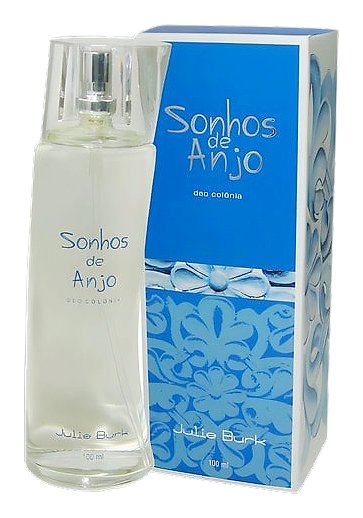
Sonhos de Anjo, Angel Dreams, arrived in 2003 from Julio Burko's studio. The name says it all: a fragrance built on sweetness, softness, and warmth. The composition opens with bright fruit notes that feel accessible and inviting, setting the stage for something deeper underneath. There's a deliberate lightness to the top registers, but it's not superficial. The sweetness here is clean, almost translucent, like morning light through thin curtains. Beneath that initial brightness, warmth accumulates gradually. The fragrance doesn't announce itself; it unfolds.
What makes Sonhos de Anjo work is its structural honesty. The fruity top, blackcurrant, bergamot, mandarin, arrives bright and almost girlish, like the first chapter of a story you've read before. But the heart is where the name earns its meaning: blackberry, rose, jasmine. These florals arrive with presence, carrying enough weight to ground the opening fruit without overwhelming it. The blackberry adds depth, the rose brings a classic elegance, and the jasmine weaves through the middle registers with creamy warmth that ties everything together.
The evolution
The opening begins with blackcurrant leading the composition, mandarin brightening the edges, bergamot grounding the start. The effect is clean and bright, the kind of opening that establishes trust. You sense immediately that this fragrance knows where it's going. Then the heart arrives, and it doesn't hand off so much as melt into. Blackberry and rose emerge together, the fruit adding dimension while the rose provides classic floral structure. Jasmine rides underneath, creamy and present without being loud. This is the fragrance's actual character, the part that stays with you longest. As the top notes fade, the base takes its place. Honey arrives first, golden and warm, immediately followed by caramel bringing softer sweetness. Vanilla stretches everything out, smoothing the edges until nothing sharp remains.
Cultural impact
Sonhos de Anjo occupies a particular space in the Brazilian fragrance landscape. It remains in production, which speaks to a sustained demand that goes beyond novelty or marketing. The composition offers something that many fragrances in its category do not: enough depth to reward continued attention. The honey-vanilla base has become what wearers return for, not because it's the only notable aspect, but because it represents the fragrance's core identity. There's an understated quality to how it performs, neither demanding attention nor disappearing entirely. It simply exists, present when you notice it, missed when it's gone.
The House
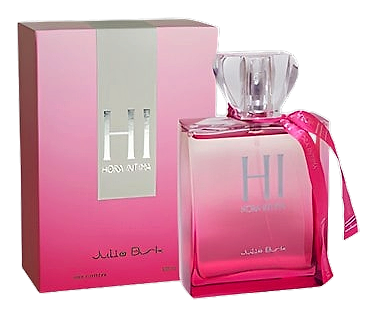
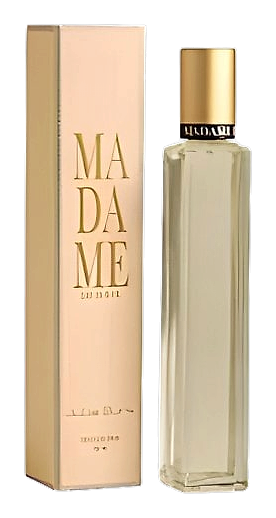
Julie Burk PerfumesJulie Burk Perfumes is a Brazilian fragrance house born in Curitiba, Paraná, in the early 1980s. Founded by the creative duo Julio Burko and Julie, the brand became a household name across Brazil during the 1980s and 1990s, a period when locally produced perfumes competed openly with imported European houses. Today the brand operates from a boutique on Jesuíno Marcondes in central Curitiba, maintaining a catalog that spans decades of Brazilian olfactory memory. Graffus (1986), Hora Íntima (1987), and Madame de Julie (1989) remain touchstones for a generation of Brazilian fragrance collectors, while newer releases like Bambu and Sonhos de Anjo (both 2003) show the house continuing to compose. The line has gradually been folded into the broader Burk & Co. ecosystem, which now encompasses cosmetics and personal care alongside the original perfume catalog.
The Creator
Julio BurkoBurko’s known work suggests a versatile signature built around contrast. Fresh floral compositions lend themselves to an airy, youthful character, while richer scents are described as complex, deep, and layered.