
The Story
Why it exists.
The beginning
Julie Hot arrived in 2007 as a statement of intent from a house that had spent decades building Brazilian olfactory memory. Where many fragrances of the era leaned on tropical imagery as shorthand, coconut, beach metaphors, the visual language of vacation, Julie Burk took a different angle. This was tropical in its materials and sensibility, but grounded in something more lived-in: the warmth of a woman who doesn't need to explain herself. The name says Hot, and the composition delivers exactly that, not the heat of performance, but the heat of presence.
What makes Julie Hot structurally interesting is how it handles the chypre framework. Classical chypres depend on oakmoss and labdanum for their structure, that dry, slightly bitter backbone. Julie Hot replaces that with tropical warmth and powdery florals. The star anise at the opening is the tell. It's a material most perfumers use sparingly, as a bridge note. Here it's part of the opening salvo, giving the sweetness something to argue with. The blackcurrant and pineapple come in bright and fruity, but the anise keeps them honest.
The evolution
The star anise sits just underneath, not dominant but present, a faint medicinal edge that keeps the opening from being purely decorative. Iris and violet do their work quietly, smoothing everything out. The pineapple is still there but it's become background noise, part of the warmth rather than the point. The drydown is where Julie Hot earns its reputation. The base notes, vanilla, tonka bean, musk, settle close to the skin and stay there. The vetiver adds a faint earthiness. The almond keeps it from becoming saccharine.
Cultural impact
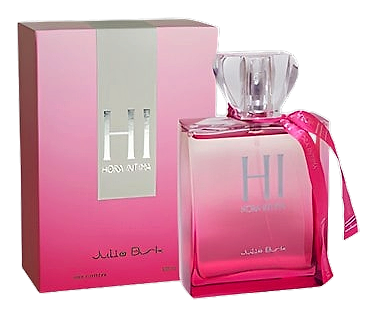
Julie Hot holds a quiet position in Brazilian fragrance culture, not a cult hit like Hora Íntima, but something more consistent. It's the fragrance a woman reaches for when she wants warmth without performance, sweetness without apology. The tropical-fruity opening paired with powdery florals and warm base notes gives it a broad appeal that crosses occasions and seasons, even if it never achieved the wider recognition its composition deserved.