The Story
Why it exists.
The beginning
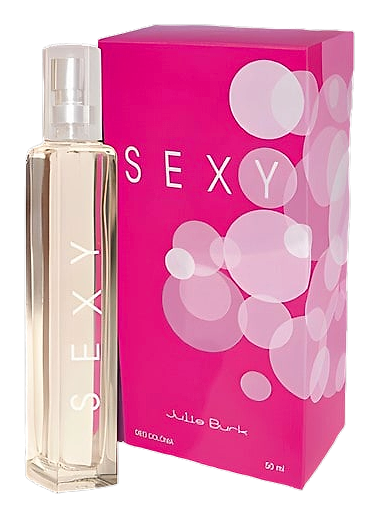
Every Julie Burk fragrance carries its own character. Sexy arrived as part of a catalog built on classical materials, ylang-ylang, lily-of-the-valley, musk, selected for their balance and enduring appeal. The composition opens bright, moves into a lush floral heart, and settles into a warm, inviting finish. No surprises. Just the thing she reaches for without thinking, again and again.
Ylang-ylang and lily-of-the-valley bring a soft, creamy floral presence to Sexy, their sweet tropical notes weaving through the composition. White musk and vanilla create a powdery-soft drydown that settles into the skin, warm and intimate rather than broadcast. The scent feels discovered rather than announced, meant for someone standing close rather than announced from across the room. This is a fragrance built close to the skin, inviting intimacy over performance.
The evolution
The opening hits immediately: pink grapefruit and cherry give a tart-sweet jolt that feels citrus-bright and alive. Mandarin orange and bergamot add dimension without muddying the picture. The ylang-ylang is the tell here. Sweet, tropical, almost creamy. Not the jasmine you'd find in a European chypre. By the drydown, vanilla and white musk settle close. Warm. Powdery. The kind of skin scent you only notice when you're close enough to care.
Cultural impact
Sexy fits comfortably within the Julie Burk catalog of warm florals anchored by vanilla and white musk, a style that reads as intimate and unpretentious. The fragrance doesn't announce itself loudly. It's confident in its own identity, comfortable staying close to the skin while inviting discovery from those who get near enough to notice.
The House
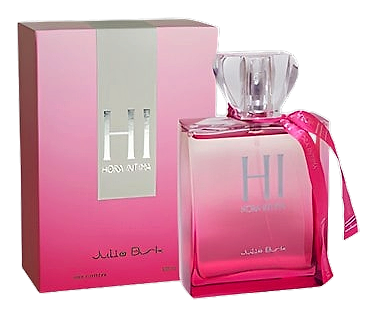
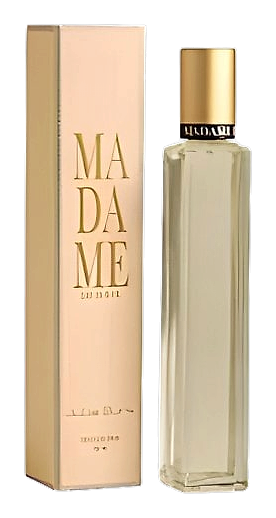
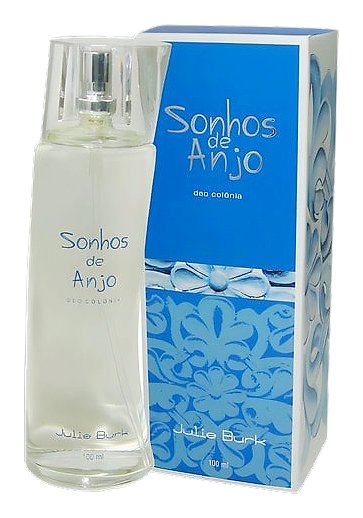
Julie Burk PerfumesJulie Burk Perfumes is a Brazilian fragrance house born in Curitiba, Paraná, in the early 1980s. Founded by the creative duo Julio Burko and Julie, the brand became a household name across Brazil during the 1980s and 1990s, a period when locally produced perfumes competed openly with imported European houses. Today the brand operates from a boutique on Jesuíno Marcondes in central Curitiba, maintaining a catalog that spans decades of Brazilian olfactory memory. Graffus (1986), Hora Íntima (1987), and Madame de Julie (1989) remain touchstones for a generation of Brazilian fragrance collectors, while newer releases like Bambu and Sonhos de Anjo (both 2003) show the house continuing to compose. The line has gradually been folded into the broader Burk & Co. ecosystem, which now encompasses cosmetics and personal care alongside the original perfume catalog.
The Creator
Julio BurkoBurko’s known work suggests a versatile signature built around contrast. Fresh floral compositions lend themselves to an airy, youthful character, while richer scents are described as complex, deep, and layered.