
The Story
Why it exists.
The beginning
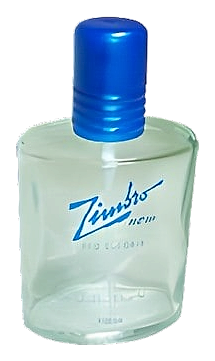
Zimbro New landed in 1986 as Julie Burk extended the house's masculine catalog, two years after Graffus had established the brand's voice in Brazilian men's fragrance. The name itself carries intent: zimbro is Portuguese for juniper, a botanical signal that this would lean herbal and woody rather than sweet and oriential. The house understood the Brazilian climate and the Brazilian man. Zimbro New was composed with both in mind.
What makes Zimbro New interesting as a fougere is how faithfully it tracks the classical structure while keeping its own character. The aldehydes don't just flash and disappear, they thread through the heart, adding a slightly soapy brightness to the geranium and jasmine that keeps the floral note from feeling feminine. Cloves and cinnamon provide warmth without sweetness, a combination that reads as masculine and grounded rather than dessert-like. The base is where the composition earns its age: vetiver, patchouli, and oakmoss create a drydown that is green, earthy, and slightly mossy, less polished than modern woods accords, more honest. This is a fragrance that smells like what it is made of.
The evolution
The opening announces itself with citrus and herbs, bergamot bright, sage and bay leaf cutting clean through the aldehydes. There's a soapy clarity here, almost like the moment after a shave, before anything has settled. They push through, adding warmth that prevents the composition from going flat. Vetiver and patchouli take over the foreground, their earthy, slightly bitter character dominating while the florals fade gracefully into the background.
Cultural impact
Zimbro New has been in continuous production since 1986, nearly four decades of uninterrupted availability in the Brazilian market. That alone is remarkable for a domestic masculine fragrance. The composition sits firmly in the aromatic fougere tradition that dominated men's fragrance through the 1980s, but its aldehydic-citrus-herbal opening and dry oakmoss base give it a specific character that sets it apart from the better-known European models of the same era. For Brazilian fragrance collectors, it represents a piece of the domestic olfactory history that imported brands couldn't replicate.
The House
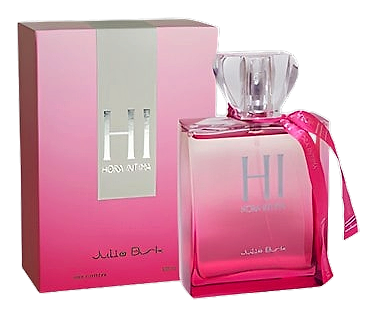
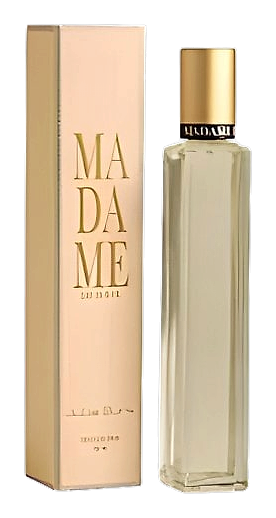
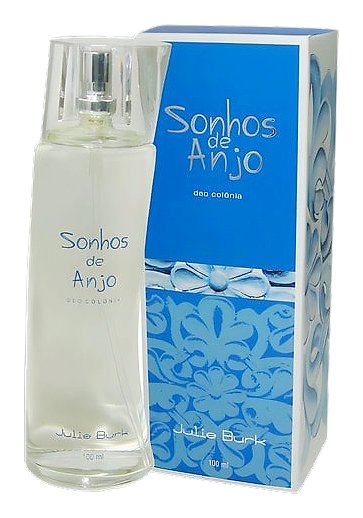
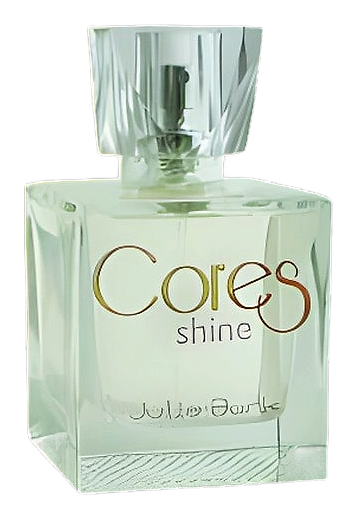
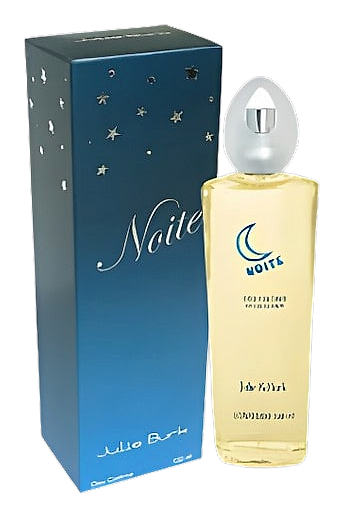
Julie Burk PerfumesJulie Burk Perfumes is a Brazilian fragrance house born in Curitiba, Paraná, in the early 1980s. Founded by the creative duo Julio Burko and Julie, the brand became a household name across Brazil during the 1980s and 1990s, a period when locally produced perfumes competed openly with imported European houses. Today the brand operates from a boutique on Jesuíno Marcondes in central Curitiba, maintaining a catalog that spans decades of Brazilian olfactory memory. Graffus (1986), Hora Íntima (1987), and Madame de Julie (1989) remain touchstones for a generation of Brazilian fragrance collectors, while newer releases like Bambu and Sonhos de Anjo (both 2003) show the house continuing to compose. The line has gradually been folded into the broader Burk & Co. ecosystem, which now encompasses cosmetics and personal care alongside the original perfume catalog.
The Creator
Julie BurkThe through-line across Julie Burk Perfumes is a leaning toward the soft, the warm, and the accessible. Oriental Vanilla framings dominate her early catalog, a choice that signals comfort with gourmand-adjacent territory executed through a measured, classical lens.