The Story
Why it exists.
The beginning
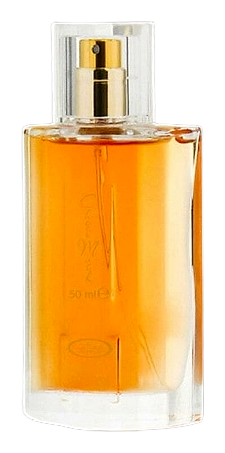
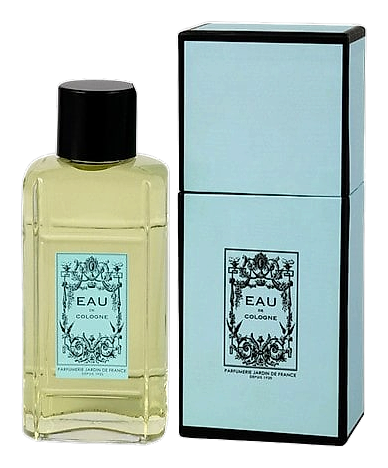
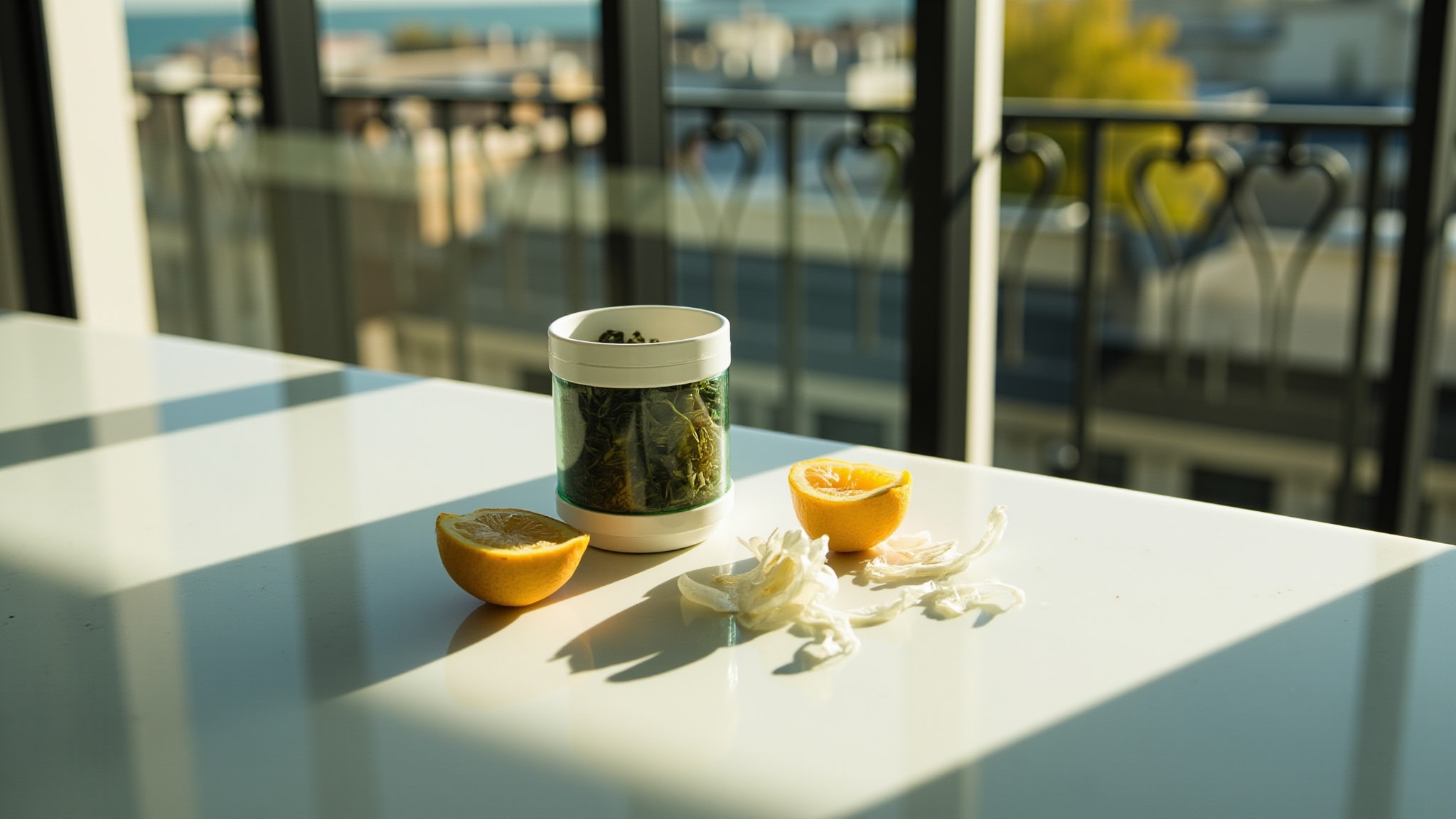
Thé Vert translates as “green tea,” and that is the clearest idea behind this Jardin de France release. The name places the fragrance squarely in a green, herbal register, while its listed notes bring together citrus, tea, herbs, flowers, spices, and soft musk. It is presented as a unisex eau de toilette, with a release year that remains unknown. The composition can be read as a study in freshness: bright citrus at the top, green tea and aromatic herbs through the middle, and a floral center that adds a delicate change of texture. The result feels light and polished, but never vague. A cup of tea, a leafy garden, and a sudden lift of citrus in the air.
What makes the composition worth noticing is the way its listed notes meet in the heart. Green tea gives the idea an herbal clarity, while thyme brings a sharper, more mineral edge around it. Jasmine adds a soft floral accent, and cardamom introduces a lightly spiced warmth that keeps the greenery from becoming too simple. Other listings also place peony in the heart, creating a slightly fuller floral impression. These notes do not need to be understood as separate objects in a perfume.
The evolution
The opening is bright and lifted, with citrus notes such as bergamot, litsea cubeba, and orange setting up the green tea accord. Bergamot gives the first impression a polished brightness, while litsea cubeba adds a sharper, more aromatic edge. Orange contributes a rounder citrus note, so the opening can feel both fresh and lightly fruity without settling into a straightforward fruit profile. As the fragrance develops, green tea and thyme take over the herbal character. Jasmine brings a clean floral lift, while cardamom adds a small pulse of spice that gives the heart more depth. Peony, where listed, softens that herbal structure with a rounded floral quality. The listed notes suggest a gradual movement from citrus to green tea, herbs, flowers, spice, and finally musk.
Cultural impact
Thé Vert occupies an appealing place in the fragrance wardrobe: fresh enough to feel effortless, but composed enough to invite closer attention. Its green tea identity gives it an immediate point of recognition, while citrus, herbs, flowers, spice, and musk create a varied structure around that central idea. The result can be read as a daytime fragrance, though its appeal is not limited to one moment or one mood. It suits a preference for clarity, greenery, and soft floral texture, offering a polished alternative to scents built around heavier woods, resins, or dense sweetness.
The House
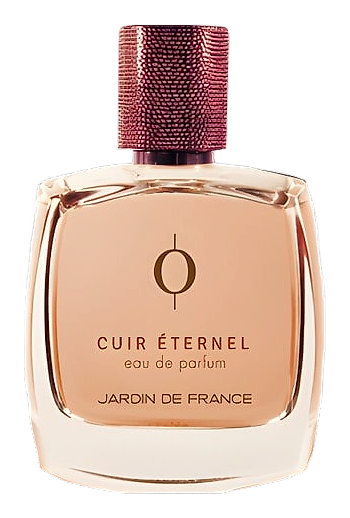
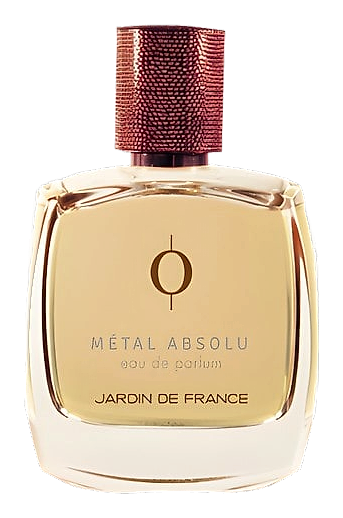
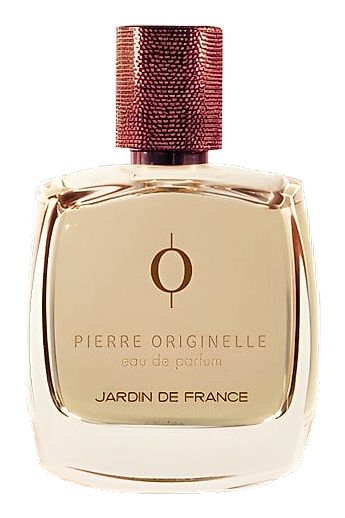
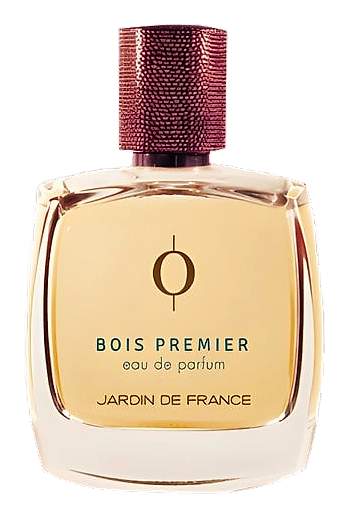
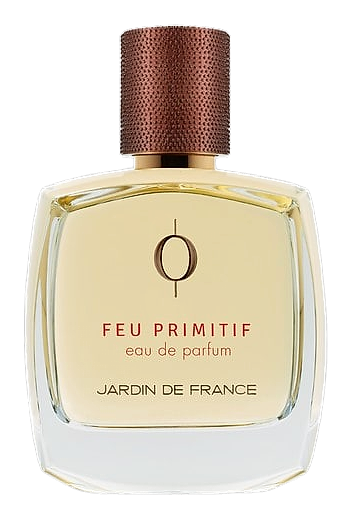
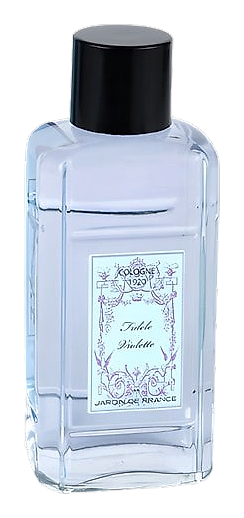
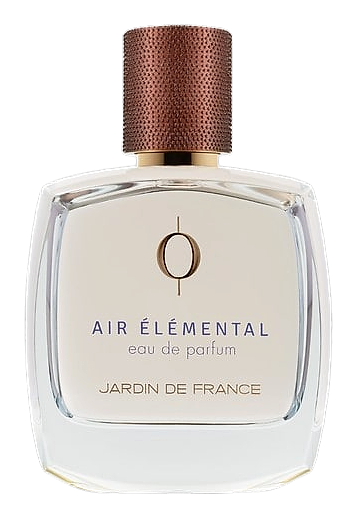
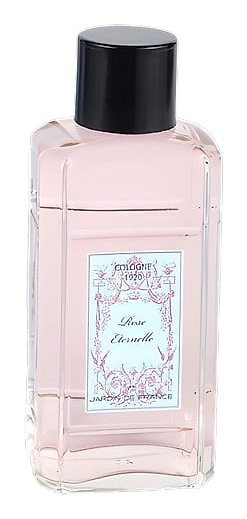
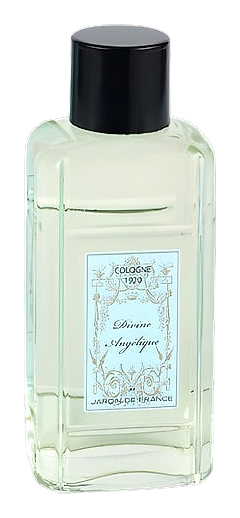
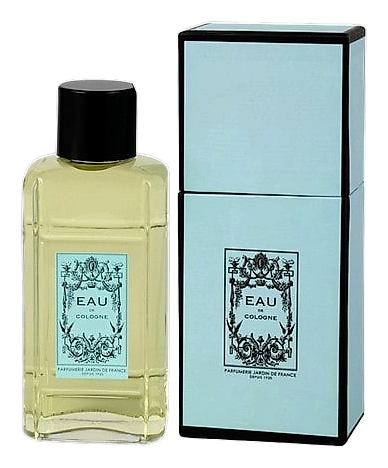
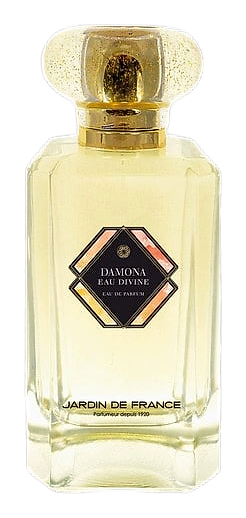
Jardin de FranceJardin de France is a French fragrance house that quietly curates scents rooted in the garden‑inspired heritage of its namesake. The portfolio reads like a stroll through a historic orchard, with classics such as Violette and Lilas sitting beside modern compositions like Air Elemental (2018) and Ouranos Eau Céleste (2014). Each bottle promises a moment of quiet discovery, whether the wearer seeks the crisp bite of ginger in Gingembre or the earthy calm of Vetiver. The brand remains modest in its public profile, yet its creations have earned a steady following among collectors who value consistency and a subtle sense of place.
The Creator
Expressions Parfumees GrasseThe signature of Expressions Parfumees lies in its layered architecture. A typical composition opens with a bright top, often a citrus burst or a sparkling aldehyde, then settles into a heart built from floral or aromatic notes that echo the region’s gardens.