
The Story
Why it exists.
The beginning
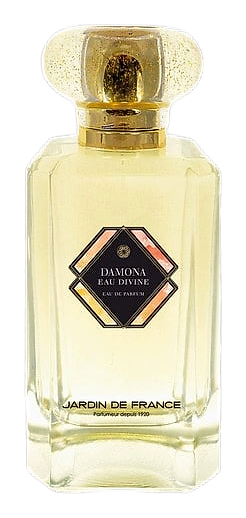
Damona Eau Divine appeared in 2014, a year that places it within Jardin de France's blend of traditional garden thinking and modern aromatic composition. Justine Baligand-Brivet shaped it as a citrus aromatic fragrance, with the brightness established first and warmth allowed to gather underneath. Bergamot, Green Orange, and Mandarin Orange give it the clean, alert character of a polished eau de cologne. That opening isn't meant to stay sweet or simple. Cinnamon, Blackcurrant, Cloves, and Orange Blossom introduce a more textured register, turning a fresh citrus idea into something spicier, darker, and more distinctive. The name and its inspiration aren't documented in the verified material, so the composition itself offers the clearest guide: bright fruit at the door, warm spice in the middle, and a woody, incense-tinged finish.
What makes the composition worth noticing is the contrast between materials that usually live in different perfume families. Bergamot and Green Orange bring lift, while Blackcurrant adds a dark, fruitlike edge rather than a simple sweetness. Orange Blossom softens the spice, but Cinnamon and Cloves keep the heart from becoming floral or dessert-like. The base changes the temperature again, adding Cedar, Sandalwood, Amber, Incense, and Artemisia beneath the brighter materials. That's a lot of direction for a citrus aromatic, yet the structure remains legible: freshness on top, fragrant heat in the middle, and a dry woody base that keeps the scent from disappearing after the first greeting.
The evolution
The opening is all brisk surfaces. Bergamot, Green Orange, and Mandarin Orange create a clean citrus spark, quick and almost polished, before the fragrance settles into its darker middle. Blackcurrant brings a rounded fruit note, while Orange Blossom lays a soft floral veil over the warmth of Cinnamon and Cloves. The surprise comes as the heart starts to feel less like a citrus fragrance and more like a composed aromatic. On skin, the citrus gradually recedes, allowing the spice to become clearer without becoming aggressively hot. Cedar, Sandalwood, Amber, Incense, and Artemisia then provide the drydown, taking the composition from fresh brightness toward incense, wood, and a faint herbal bitterness. That lingering base gives Damona Eau Divine a measured presence, suitable for the stretch of a workday rather than a single moment.
Cultural impact
Damona Eau Divine is a polished, unisex citrus aromatic built around a measured contrast of freshness and warmth. Bright citrus notes create the opening impression, while woods contribute a drier, more grounded character as the fragrance develops on skin. The result is easy to appreciate through its sense of balance: lively at first, yet not abrupt, with a warm, woody finish that gives the composition staying power. It suits those who enjoy discovering nuance in a fragrance rather than relying on spectacle.
The House
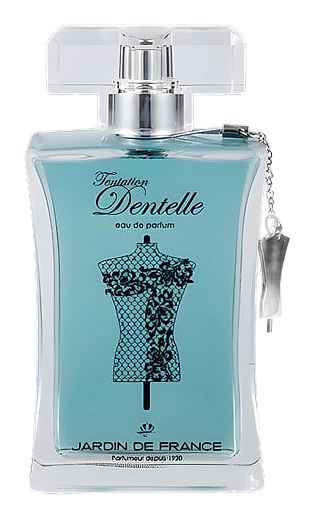
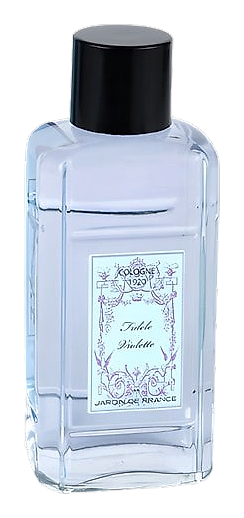
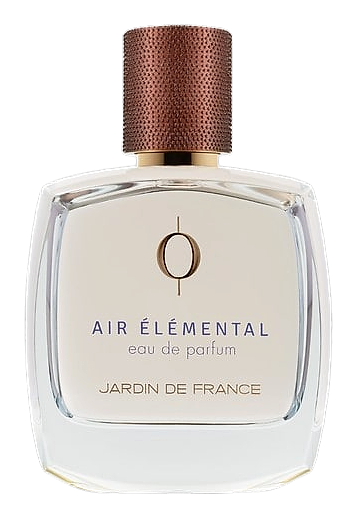
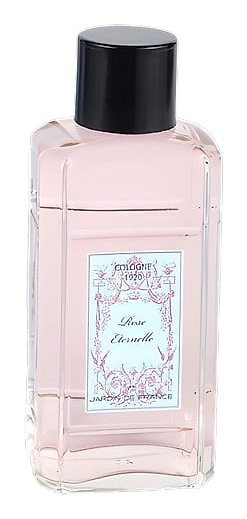
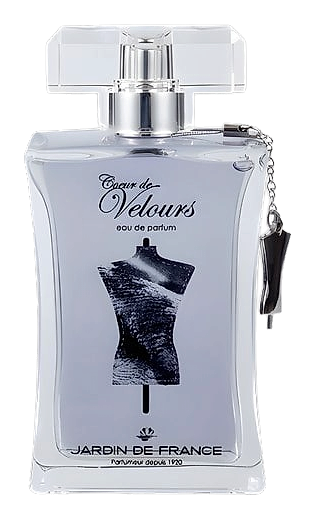
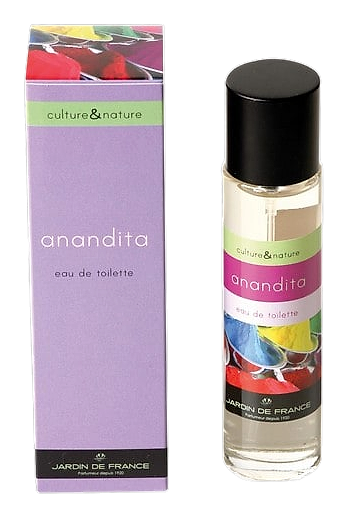
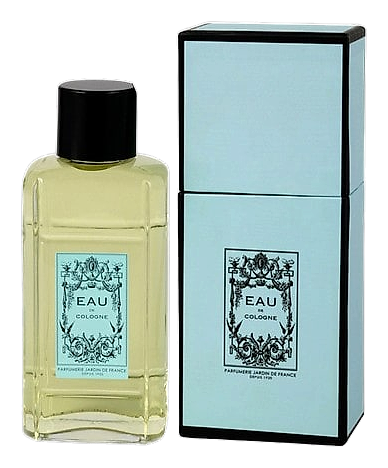
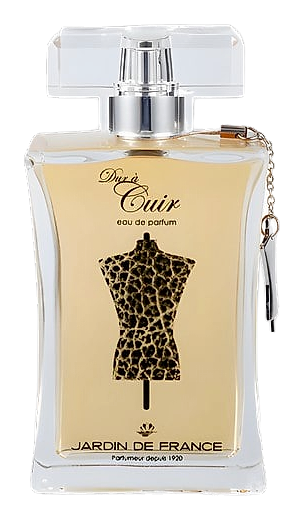
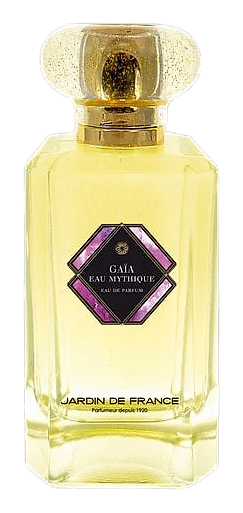
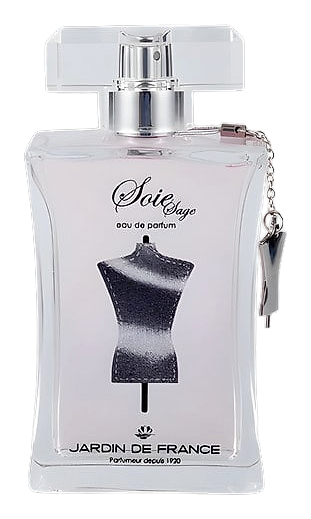
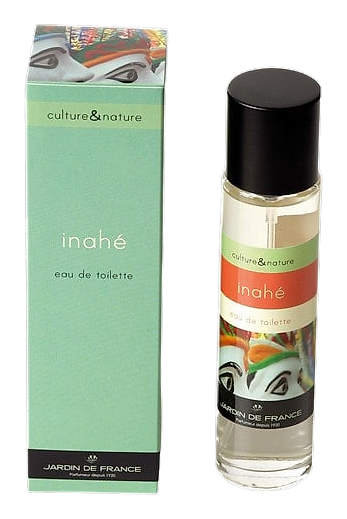
Jardin de FranceJardin de France is a French fragrance house that quietly curates scents rooted in the garden‑inspired heritage of its namesake. The portfolio reads like a stroll through a historic orchard, with classics such as Violette and Lilas sitting beside modern compositions like Air Elemental (2018) and Ouranos Eau Céleste (2014). Each bottle promises a moment of quiet discovery, whether the wearer seeks the crisp bite of ginger in Gingembre or the earthy calm of Vetiver. The brand remains modest in its public profile, yet its creations have earned a steady following among collectors who value consistency and a subtle sense of place.
The Creator
Justine Baligand-BrivetHer known works reveal a predilection for clarity and structure. The citrus orientation of Zeste Thé Vert suggests comfort with bright, clean materials that demand precision in dosage.