
The Story
Why it exists.
The beginning
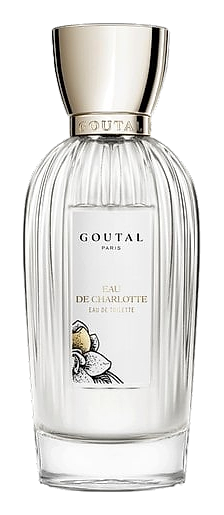
Eau de Charlotte arrived in 1982. The fragrance carries an intimate quality, warm and quietly confident. Opening with blackcurrant bud, the composition offers a tart, green brightness that gives way to mimosa, honeyed, powdery, undeniably yellow. The heart brings soft florals that add cream without diluting the warmth. As the scent develops, cocoa and vanilla emerge slowly in the drydown, creating something that smells like warm skin rather than confection. The sillage stays close and moderate, the powdery warmth fading to a quiet skin-memory as the afternoon winds down.
The note structure is unusual. Mimosa rarely serves as a primary heart note, more often it appears as a supporting actor, lending warmth without taking center stage. Here, Moroccan mimosa absolute anchors the composition, bringing a honey-powdery character that defines the fragrance's identity. Blackcurrant bud opens the composition with green-fruity brightness, a tartness that quickly recedes as the mimosa takes hold. The base, cocoa, tonka bean, vanilla, creates warmth without sweetness, intimacy without dessert.
The evolution
The blackcurrant bud arrives first: tart, green, unexpectedly bright. Within minutes the mimosa overtakes it, honeyed, powdery, undeniably yellow. Jasmine softens the floral heart, adding cream without diluting the warmth. The drydown is where this fragrance earns its reputation. Cocoa and vanilla emerge slowly, creating something that smells like warm skin rather than confection. The sillage stays close, moderate, intentional. The powdery warmth fades to a quiet skin-memory as the afternoon winds down.
Cultural impact
Eau de Charlotte was released in 1982, a time when warm, powdery florals held a different place in the perfume landscape than they do today. For those who love mimosa, this fragrance offers a golden, honeyed interpretation of the note that feels both timeless and specific to its era. The composition occupies a particular space for lovers of classic floral structure, standing apart from the aquatic and fresh fragrances that would come to dominate later decades.
The House
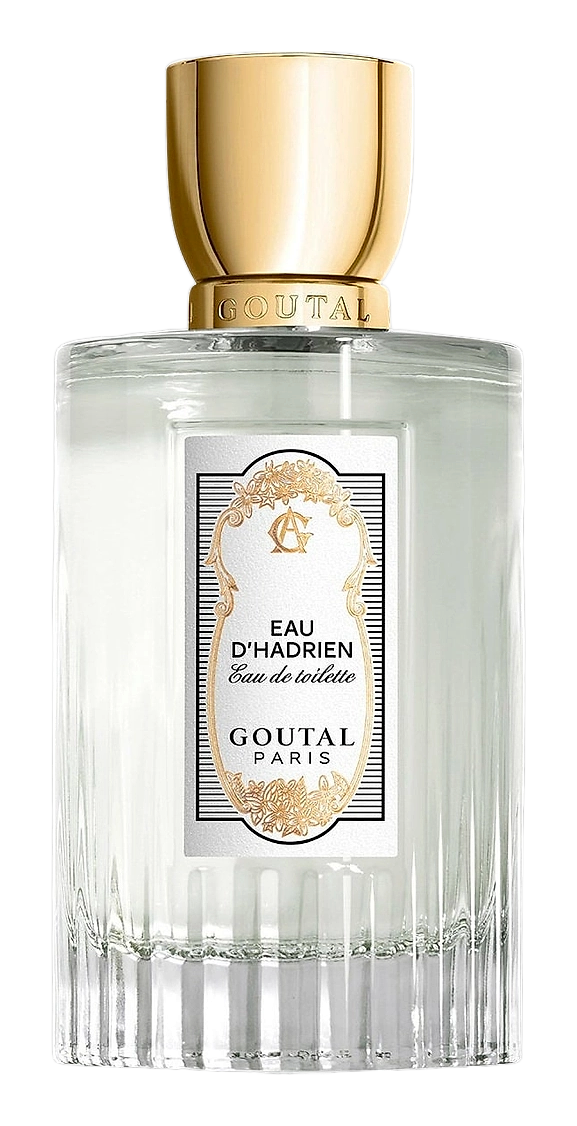
GoutalAnnick Goutal, now known as Goutal Paris, is a French niche perfume house that blends personal storytelling with classic French perfumery. Founded at the turn of the 1980s, the brand quickly earned a reputation for intimate fragrances that echo memories of gardens, travel and music. Its catalogue spans timeless citrus blends such as Eau d’Hadrien, aromatic vetiver, and modern alcohol‑free lines like Rose Pompon Eau sans Alcool. The house remains family‑run, with daughter Camille Goutal steering the creative direction while honoring her mother’s poetic legacy.
The Creator
Annick GoutalAnnick favors a musical structure, layering top, heart, and base notes as a composer arranges melody, harmony, and bass. She reaches for ingredients that echo her childhood: orange blossom, rose, vetiver, and vanilla.