The Heritage
The Story of Jardin de France
Jardin de France is a French fragrance house that quietly curates scents rooted in the garden‑inspired heritage of its namesake. The portfolio reads like a stroll through a historic orchard, with classics such as Violette and Lilas sitting beside modern compositions like Air Elemental (2018) and Ouranos Eau Céleste (2014). Each bottle promises a moment of quiet discovery, whether the wearer seeks the crisp bite of ginger in Gingembre or the earthy calm of Vetiver. The brand remains modest in its public profile, yet its creations have earned a steady following among collectors who value consistency and a subtle sense of place.
Heritage
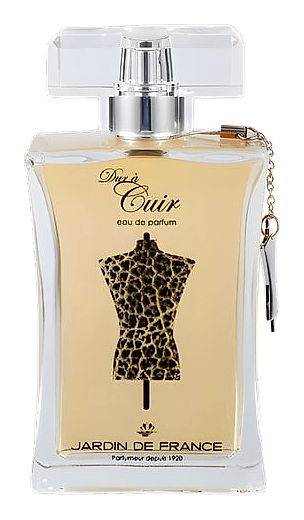
The story of Jardin de France begins in the early 20th century, reportedly in the town of Amboise, a locale known for its royal châteaux and fertile Loire‑valley gardens. Early records suggest a family‑run workshop opened its doors around 1910, producing scented soaps and simple eau de colognes for local patrons. Over the decades the house survived two world wars, adapting its formulas to the limited raw materials of the 1940s while preserving the garden motif that defined its identity. By the 1970s the brand expanded its range to include floral concentrates, a move documented in vintage trade catalogs that list Violette as a flagship scent. In 2008 the house launched Diamondra, a composition that combined citrus top notes with a mineral base, marking the first major release under a new generation of perfumers. The arrival of an in‑house perfumer named Justine, confirmed by a 2018 profile in The 5th Element, signaled a renewed commitment to creative autonomy; she has since overseen the development of newer offerings such as Air Elemental (2018) and Ouranos Eau Céleste (2014). A notable milestone arrived in 2011 with Dur à Cuir, a leather‑focused fragrance that demonstrated the brand’s willingness to explore darker accords while staying true to its garden narrative. Throughout its more than a century of operation, Jardin de France has maintained production in France, a fact highlighted by multiple independent fragrance blogs that note the house’s continued use of local facilities for blending and bottling. The brand’s longevity, anchored in a small town yet reaching collectors worldwide, illustrates a rare blend of tradition and quiet innovation.
Craftsmanship
Production at Jardin de France remains anchored in French facilities that combine traditional techniques with selective modern technology. Raw materials are sourced from regional growers whenever possible; for example, the violet absolute used in Violette is obtained from farms in Grasse that still employ hand‑picking methods to preserve delicate aromatics. The house also imports select exotic ingredients, such as ginger from India for Gingembre, ensuring each batch meets strict purity standards verified by third‑party labs. Blending takes place in a climate‑controlled studio where the in‑house perfumer works alongside a small team of senior assistants, allowing for real‑time adjustments and iterative testing. Once a formula is finalized, the mixture is macerated for a period that varies by composition—typically between four and eight weeks—to achieve a harmonious integration of volatile and base notes. Quality control includes organoleptic evaluation by a panel of seasoned noses, followed by stability testing under varying temperature and humidity conditions. Bottling is performed on site using hand‑finished glass vessels; each bottle is inspected for imperfections before being sealed with a simple, unadorned cap that reflects the brand’s minimalist ethos. The final product is packaged in recyclable cardboard, a choice that aligns with the house’s environmental commitments. Throughout the process, the brand documents each step in a ledger, a practice that dates back to its early 20th‑century origins and provides traceability for collectors who value provenance.
Design Language
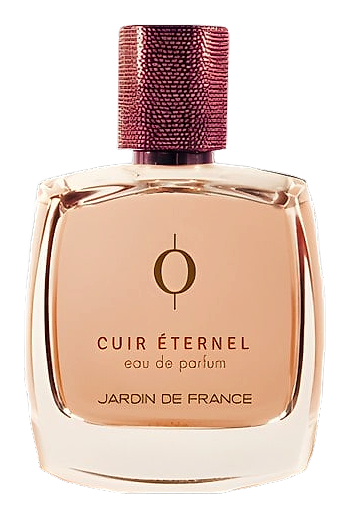
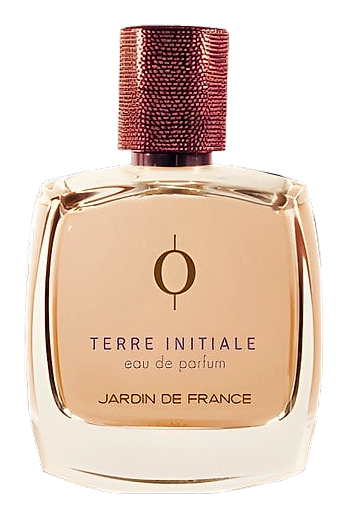
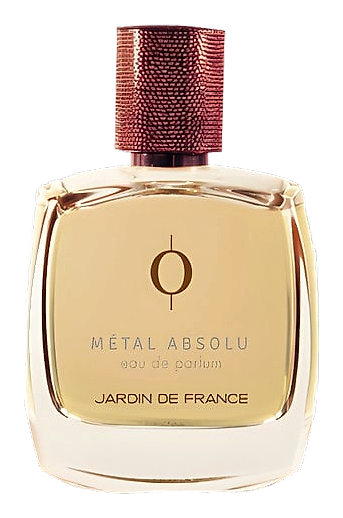
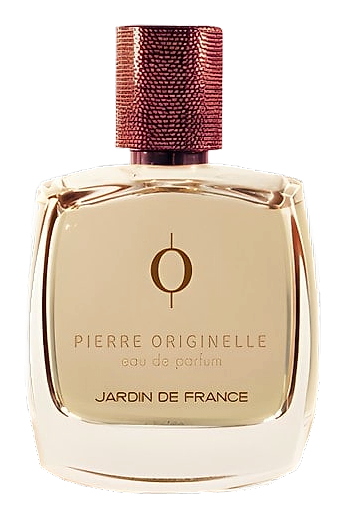
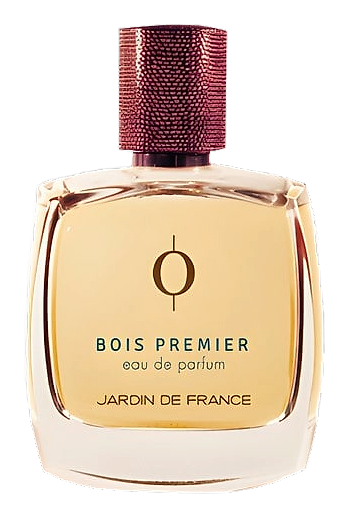
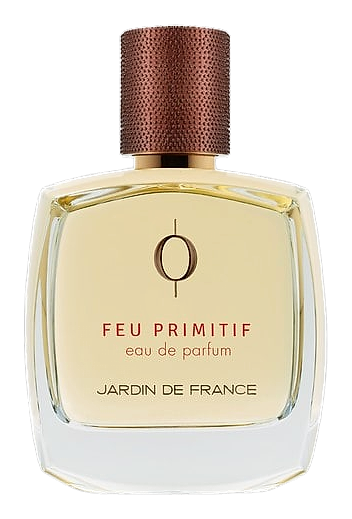
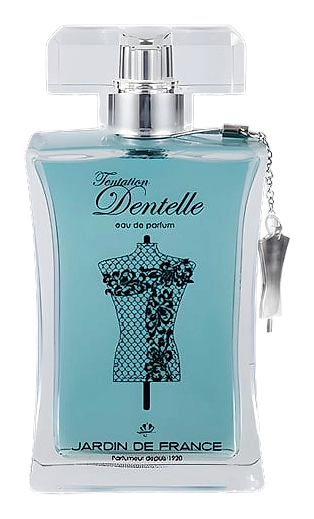
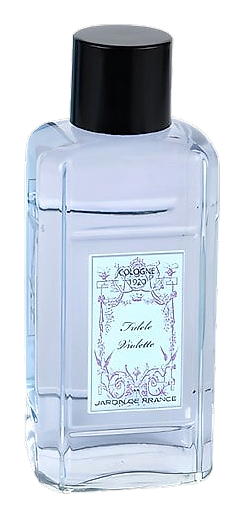
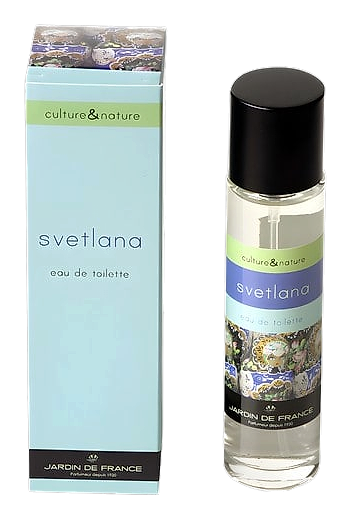
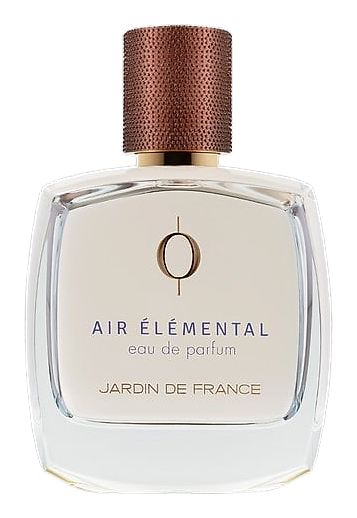
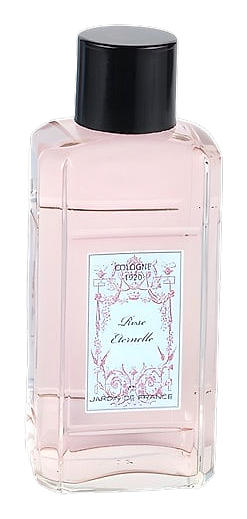
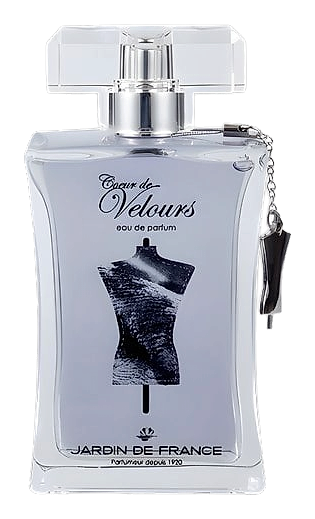
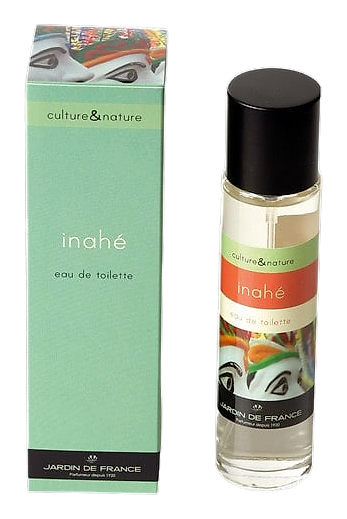
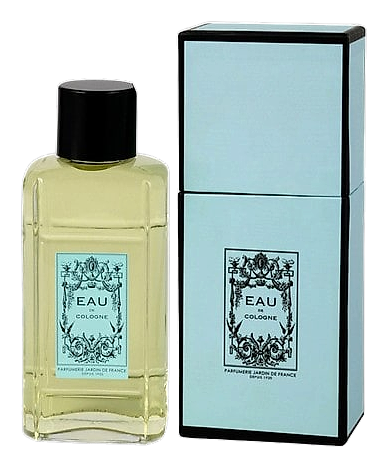
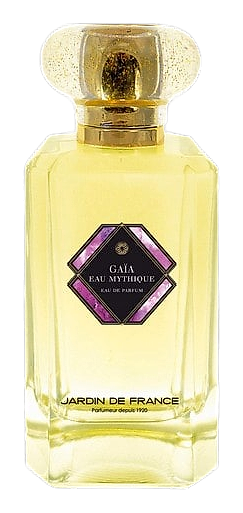
Visually, Jardin de France favors restraint and natural motifs. Bottles are typically clear or lightly tinted glass, allowing the perfume’s colour to speak for itself. Labels feature a thin serif typeface set against a muted background, often accompanied by a single line‑drawn illustration of a leaf, flower, or garden tool. This understated design echoes the brand’s garden narrative without resorting to ornate embellishments. The colour palette draws from earth tones—soft greens, warm beiges, and occasional pastel hues that hint at the fragrance’s character. For example, the Air Elemental bottle is a pale sky‑blue glass that mirrors the scent’s airy composition, while Dur à Cuir is presented in a deep amber vessel that suggests leather’s richness. The packaging material is recyclable cardboard with a matte finish, reinforcing the house’s commitment to sustainability. Marketing imagery, when it appears, showcases close‑up photographs of botanical elements—dewy petals, textured bark, or a single sprig of herb—captured in natural light. This visual language positions the brand as a quiet steward of nature, inviting the consumer to pause and appreciate the subtle beauty of a well‑crafted scent.
Philosophy
Jardin de France approaches perfumery as a dialogue between nature and memory. The house believes that scent can capture a fleeting garden moment and translate it into a wearable experience. Its creative brief emphasizes authenticity: ingredients are selected for their provenance and their ability to evoke a specific season or place. The brand avoids trend‑driven formulas, preferring instead to let a single botanical or material guide the structure of a fragrance. This restraint reflects a broader value system that prizes sustainability and respect for the environment; sourcing statements on the website mention partnerships with French growers who practice low‑pesticide cultivation. The house also embraces a modest aesthetic, allowing the scent itself to take center stage rather than relying on flashy marketing. In interviews, the in‑house perfumer Justine has spoken about listening to the subtle shifts in a garden’s scent profile throughout the day, using those observations to inform the balance of top, heart, and base notes. The philosophy extends to the consumer experience: each fragrance is presented with minimal packaging, encouraging the wearer to focus on the olfactory journey rather than the visual spectacle. This approach aligns with a growing segment of fragrance enthusiasts who seek depth and honesty over mass‑market hype.
Key Milestones
1910
Founding of the original workshop in Amboise, focusing on scented soaps and simple colognes.
1975
Introduction of Violette, marking the brand’s first major floral fragrance.
2008
Launch of Diamondra, a modern citrus‑mineral composition that broadened the house’s portfolio.
2011
Release of Dur à Cuir, a leather‑centric scent that demonstrated the brand’s willingness to explore darker accords.
2014
Ouranos Eau Céleste debuts, reflecting a celestial theme while maintaining garden roots.
2018
Air Elemental is introduced, showcasing the house’s continued innovation under perfumer Justine.
At a Glance
Brand profile snapshot
Origin
France
Founded
1910
Heritage
116
Years active
Collection
1
Fragrances released
Avg Rating
3.3
Community sentiment
Release Rhythm


