
The Story
Why it exists.
The beginning
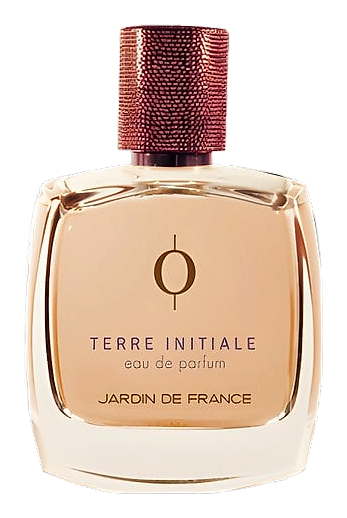
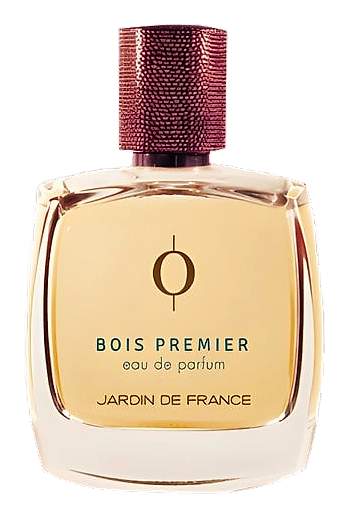
The immortelle leads the composition rather than playing a supporting role. In this fragrance, the plant's less-gentle qualities take center stage: its curry, its hay, the almost-vegetal spice that characterizes this material. These notes emerge clearly from the opening through the heart, giving the fragrance a confrontational edge that distinguishes it from more conventionally blended woody compositions. The drydown emphasizes woody depth, grounding the composition in earth and bark. Bois Premier is the name. Wood as the foundation, first.
The pairing of immortelle with coffee in the heart brings together two aromatic heavyweights. Coffee adds warmth, a roasted bitterness that plays against the immortelle's hay character. Tonka bean softens the transition just enough to keep the heart from feeling harsh, but this is not a sweet fragrance. The drydown leans into vetiver, fir, and oakmoss, a trio that anchors the composition in mineral earth, resinous darkness, and the damp bark of an old-growth forest. The coffee has faded entirely by now, and the immortelle lingers as a memory of spice beneath the woody base.
The evolution
The opening is violet leaf first, bright, almost metallic green, like cutting stems in a cool morning. Then the immortelle arrives and the field shifts. The curry-hay note appears within minutes, backed by violet leaf's fading green. This is the fragrance's most confrontational phase. The coffee in the heart doesn't announce itself immediately, it builds quietly beneath the cedar, adding warmth to what might otherwise feel too austere. The tonka bean appears as a softening agent, but don't expect sweetness. By the third hour, the immortelle has receded and the base takes over entirely. Haitian vetiver grounds everything in damp, mineral earth. Fir adds a resinous, almost nocturnal darkness. Oakmoss does what oakmoss does, completes the impression of an old-growth forest, bark and rain and decaying leaves.
Cultural impact
Bois Premier occupies a distinctive space among woody fragrances. The immortelle-forward structure sets it apart from mainstream woody compositions, offering something that rewards attention rather than immediate categorization. The sillage does not announce itself across a room, it rewards proximity. This is a fragrance for someone who wants to be discovered, not announced.
The House
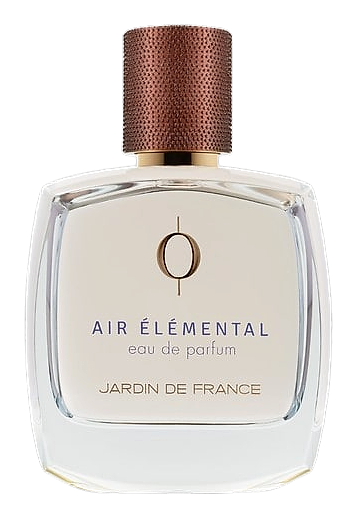
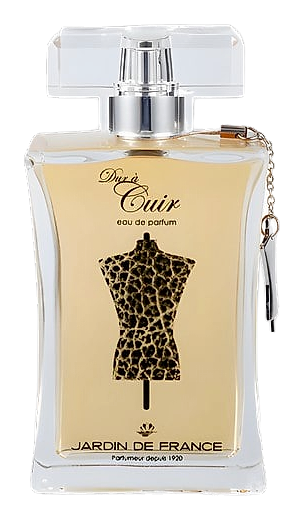
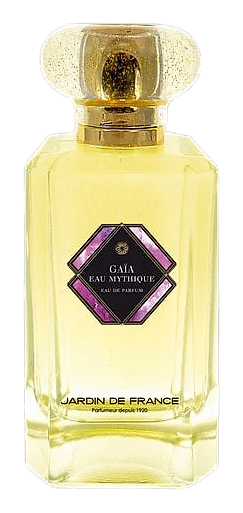
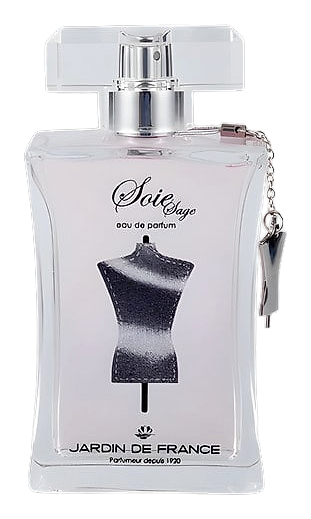
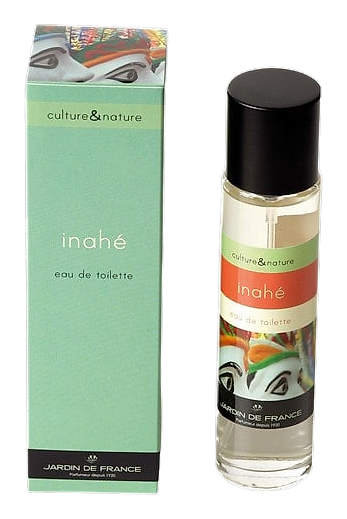
Jardin de FranceJardin de France is a French fragrance house that quietly curates scents rooted in the garden‑inspired heritage of its namesake. The portfolio reads like a stroll through a historic orchard, with classics such as Violette and Lilas sitting beside modern compositions like Air Elemental (2018) and Ouranos Eau Céleste (2014). Each bottle promises a moment of quiet discovery, whether the wearer seeks the crisp bite of ginger in Gingembre or the earthy calm of Vetiver. The brand remains modest in its public profile, yet its creations have earned a steady following among collectors who value consistency and a subtle sense of place.
The Creator
Justine Baligand-BrivetHer known works reveal a predilection for clarity and structure. The citrus orientation of Zeste Thé Vert suggests comfort with bright, clean materials that demand precision in dosage.