The Story
Why it exists.
The beginning
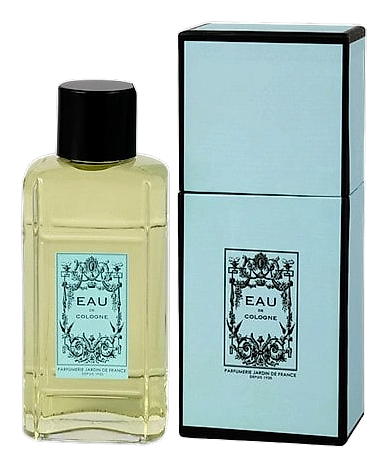
Chevrefeuille means honeysuckle in French, and the name is the brief. Jardin de France built this cologne as part of their floral line, a series of compositions organized around a garden-plant identity. The release year is not documented in the public record, and the perfume falls under the broader Eau de Cologne 1920 branding umbrella used by the house, which should not be read as a confirmed launch date for this specific bottle. Composition credits listed in fragrance databases point to Expressions Parfumees Grasse, though this attribution applies to the Chevrefeuille entry and is not confirmed for every variant the house has released under a similar name. The intention, from what the structure suggests, was never to be complicated.
What makes this composition interesting is the restraint. Chevrefeuille keeps the neroli prominent at the top, that bright bitter-orange lift with a green edge, and lets the honeysuckle carry the heart, sweet but slightly green, never candied. The blackberry in the base is the surprise, a fruity counterweight that keeps the florals from turning soapy, lending just enough berry tartness to ground the bouquet without tipping into gourmand territory.
The evolution
The first fifteen minutes are almost entirely neroli, bright, slightly bitter, the way orange tree blossoms smell in late spring heat. Then the honeysuckle arrives, not loud but unmistakable, sweet in a green way rather than a candied way. Around the thirty-minute mark the jasmine and rose show up together, giving the heart a soapy creaminess that reads more like clean linen than like a floral bouquet. The honeysuckle hangs on longest, stubborn even as the other florals start to fade. By the two-hour mark the blackberry becomes more noticeable, a faint dark-fruit sweetness underneath. The drydown is vetiver and white musk, close to skin, soft and slightly powdery. Lasts four to five hours with moderate projection, fading to a skin scent that lingers into the next morning on fabric.
Cultural impact
Chevrefeuille sits in the tradition of French floral colognes that prioritize freshness and botanical clarity over projection or complexity. It appeals to wearers who want a honeysuckle scent that smells like the actual plant rather than like a stylized version of one, with the green stem notes intact and the sugary floral facets held in check by the neroli. The cologne format suits that brief perfectly, since it asks the ingredients to behave like a garden cutting in a glass of water rather than a composed accord wearing heavy makeup.