
The Story
Why it exists.
The beginning
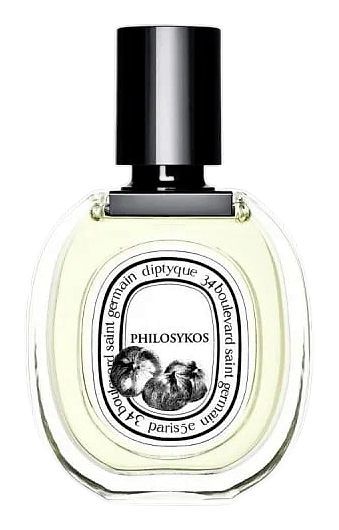
The memory of a Greek summer. To reach the sea, you crossed a grove of fig trees. That passage, the scent of the foliage and wood, became Philosykos. Perfumer Olivia Giacobetti translated that crossing into scent, working with the idea of olfactory landscapes. The goal was to capture more than just the fruit. It was the full experience of the tree itself.
Capturing an entire tree in a bottle requires more than stacking notes. The challenge is making fig leaf's sharp, vegetable-green character feel continuous rather than synthetic. The green note is present at the opening, reappearing as the coconut heart softens, and finally resolved in the woody base. The coconut milk facet doesn't sweeten the composition; it humidifies it, creating a lactonic warmth that bridges green and wood without either dominating.
The evolution
The opening announces itself immediately. Fig leaf, bright and green, with a vegetable and alive character that is not sharp but present. That green stays through the first part of wear, lingering without becoming overpowering. Then the heart arrives. Coconut milk and green notes together create a creamy sweetness that feels almost humid, adding warmth to the composition. During this phase, the presence becomes more personal, drawing closer to the skin. As the heart softens, the base takes over. Fig tree bark and cedar form a warm, woody drydown that stays close and intimate. The milky sweetness lingers beneath the wood, quiet and persistent.
Cultural impact
Philosykos established fig as a perfumery note of distinction. Released in 1996, it brought a different approach to fig in contemporary fragrance. It remains significant for those building a fig-centric composition, not because it opened a market, but because it defined what fig could smell like when rendered with care rather than convention.