The Story
Why it exists.
The beginning
Chypre comes from Expressions Parfumees Grasse, the fragrance house credited with its composition. Its stated profile is built around a traditional chypre-fougere character, expressed through jasmine, lemon, lily of the valley, patchouli, and pine. There isn't a documented launch year or a named place behind the scent, so the composition itself tells the story: white flowers and citrus placed over a darker, earthy base. Jardin de France has long drawn on French perfumery tradition, building a reputation for restrained garden references, and Chypre fits naturally within that sensibility. The lemon at the top reads as crisp and almost tart, lifted by the soft indolic sweetness of jasmine and the cool, green shimmer of lily of the valley.
The unusual part is the contrast. Jasmine and lily of the valley bring a polished, almost dew-soft floral register, while lemon keeps the opening lucid and clean. Patchouli then supplies the unmistakable earthy turn, and pine adds a dry conifer edge without becoming aggressively woody. A simple structure can feel layered when each material has a clear job: flowers for lift, citrus for air, patchouli for depth, pine for the dry finish. Chypre-fougère framing gives the composition a classic architecture, but the readable floral-citrus center keeps it from feeling like a museum piece.
The evolution
The first impression is a cool, bright sweep of lemon and jasmine, with lily of the valley making the whole thing feel freshly washed and finely pressed. Soon, Amalfi lemon sharpens the floral heart, giving the scent a clean, citrusy lift rather than a heavy floral sweetness. The white flowers then begin to sit over patchouli, and that earthy base changes the temperature of the composition. The jasmine still glows, but it takes on a warmer, almost honeyed quality as the patchouli rises beneath it, while the lily of the valley softens into something more like crushed stems than crisp bells. Pine introduces a dry, slightly resinous greenness that weaves through the florals without overwhelming them, anchoring the brighter top notes with something more grounded and forest-like.
Cultural impact
Chypre sits within Jardin de France's discreet garden vocabulary, appealing to wearers who find meaning in floral detail and natural materials rather than sheer projection. Its chypre-fougère profile also gives it a place among traditional, composed fragrances, while the unisex presentation keeps the conversation open. No wider critical reception or market-performance claim is documented in the available material.
The House
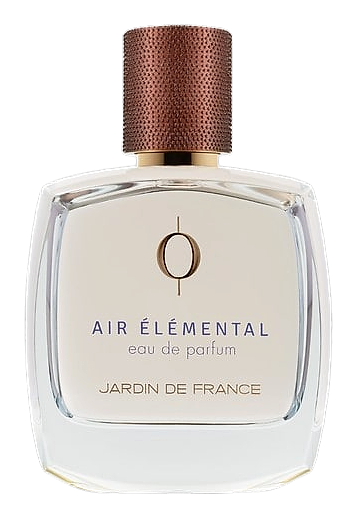
Jardin de FranceJardin de France is a French fragrance house that quietly curates scents rooted in the garden‑inspired heritage of its namesake. The portfolio reads like a stroll through a historic orchard, with classics such as Violette and Lilas sitting beside modern compositions like Air Elemental (2018) and Ouranos Eau Céleste (2014). Each bottle promises a moment of quiet discovery, whether the wearer seeks the crisp bite of ginger in Gingembre or the earthy calm of Vetiver. The brand remains modest in its public profile, yet its creations have earned a steady following among collectors who value consistency and a subtle sense of place.
The Creator
Expressions Parfumees GrasseThe signature of Expressions Parfumees lies in its layered architecture. A typical composition opens with a bright top, often a citrus burst or a sparkling aldehyde, then settles into a heart built from floral or aromatic notes that echo the region’s gardens.