
The Story
Why it exists.
The beginning
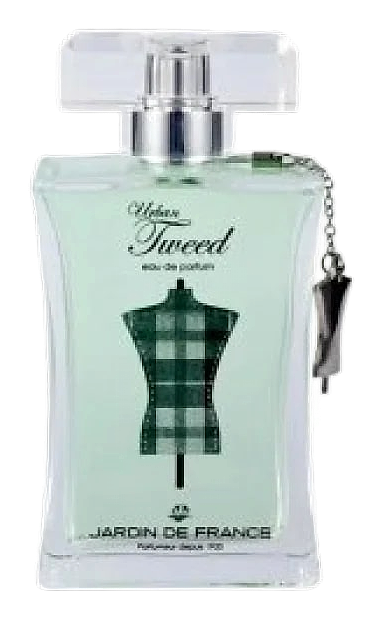
Urban Tweed arrived in 2011, the work of Justine Baligand-Brivet, a perfumer who treats the brief less as a construction problem and more as a question of weather. The fragrance opens with a sharp, mouth-watering burst of crisp apple and darker plum, brightened by lemon zest that lifts the whole composition into something almost effervescent. As the top notes settle, the heart reveals a dry, slightly bitter iris shadowed by the green bite of violet leaf and the powdery hush of orris root, threading florals through what reads as a structure of wool and rough-cut fabric. The base settles into a dense weave of moss, vetiver, and cedar, with a faint curl of smoke and the dry sweetness of tonka holding underneath, like the memory of a fireplace kept just lit through the evening.
The unusual move here is the placement of cashmeran as a heart, not a base. That single decision does most of the structural work. Cashmeran reads warmer and more textured than traditional musks, giving the composition its tweedy center of gravity while the fruit and fir orbit around it. Plum and apple give the opening its orchard pull, geranium provides a faint green edge, and the balsam fir in the base does what leather usually does in this genre: it adds weight without shouting.
The evolution
The first ten minutes belong to fruit. Apple, plum, lemon. Bright, almost sharp, the kind of opening that makes you check your wrist twice. Then the geranium arrives, and the composition tilts. The fruit doesn't vanish; it folds inward, sweetened, losing its edge. Cashmeran takes over from minute twenty, and this is where Urban Tweed earns its name. The dry warmth of cashmere wood settles against the skin like a second layer. It's not loud. It's not trying to be. By the second hour, amber and balsam fir have entered. The fir is the surprise. Cool, resinous, faintly medicinal, it cuts against the fruit memory still hanging in the composition and keeps the whole thing from collapsing into sweetness. Vetiver grounds the floor, adding the faintest green-dust texture. Six to eight hours later, what's left is the cashmeran and a warm amber whisper close to the skin. The next morning, on fabric, you'll catch the fir first, then the plum ghost underneath. It doesn't shout. It just lingers.
Cultural impact
Urban Tweed sits in an odd corner of the Jardin de France catalog, less blossom than fabric, a release that reads as textured and cool-toned against the greener floral territory the house also occupies. It wears like a fragrance for someone who collects quietly rather than displays loudly: tweed rather than tailoring, orchard rather than greenhouse.