
The Story
Why it exists.
The beginning
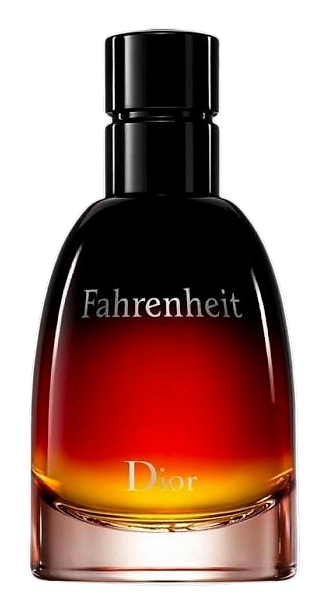
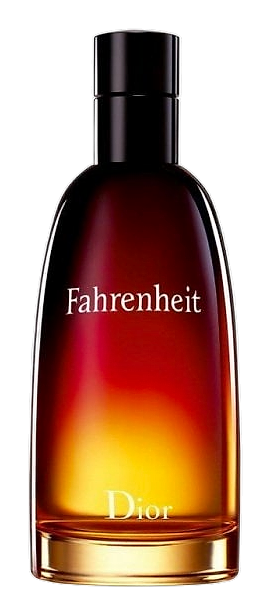
Fahrenheit arrived in 1988, the work of perfumers Maurice Roger and Jean-Louis Sieuzac. It came billed as an Aromatic Fougere, a category defined by lavender, coumarin, and mossy woods, yet the fragrance itself leaned somewhere else entirely. The official structure places violet leaf in the heart, wrapped in leather, cedar, and chamomile, with no conventional fougère template dominating the wear. The house that gave the world Miss Dior and Eau Sauvage released a men's scent built around a flower most masculine compositions avoided. The violet sits at the center of the accord, treated as a masculine element rather than a decorative one, anchored by wood and leather underneath.
What makes the structure unusual is the way the notes are layered. Violet leaf appears in the heart alongside carnation, jasmine, cedar, and nutmeg, while chamomile sits in the middle position, bridging the bright top and the darker base. The violet reads green and slightly bitter, with a metallic edge that sets it apart from the powdery or sweet violets found in classic perfumery. Underneath, the leather accord carries warmth without slipping into the suede softness of lighter compositions, and patchouli adds depth in the base alongside vetiver, amber, tonka, and musk.
The evolution
The first thirty seconds are sharp and clean. Bergamot, lemon, mandarin, hawthorn. You think you've bought something bright. Then the violet leaf lands and the whole thing tilts. Violet, carnation, jasmine, cedar, nutmeg. The florals arrive not as flowers but as suggestion, more texture than bouquet, the way an unexpected green note can read almost floral if you stop trying to name it. The chamomile threads through the middle, cooling the warmth of the nutmeg and giving the heart an herbal, slightly hay-like lift. Around the two-hour mark, the leather surfaces. Not suede, not new car. Worn leather. The kind that has absorbed weather. Patchouli and vetiver push it darker, amber and tonka soften the edges, and musk seals everything underneath. The base settles into something dense and smoky, the cedar from the heart reappearing as a dry backbone beneath the leather and the patchouli.
Cultural impact
Fahrenheit arrived in 1988 and immediately stood apart from what else sat on the men's fragrance counter. Its violet-forward heart and leather base treated a flower as a structural masculine element rather than a decorative afterthought, and the combination earned it a loyal following that has lasted across multiple decades. It remains one of the most recognizable compositions in the Dior men's portfolio, and its profile, centered on violet leaf, leather, and cedar, has influenced countless flankers and reinterpretations within the brand's own line.