
The Story
Why it exists.
The beginning
Lui arrived in 2006, and it wears its lineage like a tailored collar. The house built its reputation through direct customer relationships and a measured approach to releasing new compositions, each given space to find its own shape. Lui is an answer to a question worth asking, one about what masculine presence looks like when it refuses to dilute itself. Not pretty. Not polite. But built to last, the way a good coat is built to outlast a season. The name itself, Italian for "him," says exactly as much as the house wanted you to know going in. There's a confidence in that restraint, a refusal to over-explain. You either meet it on its own terms or you pass it by, and the fragrance seems comfortable with either outcome.
What's structurally interesting about Lui is the inverted pyramid. The reference data lists patchouli as the lone top note, meaning the heaviest, earthiest material in the composition opens the show. Patchouli here reads as damp soil and old leather, something almost animal underneath the surface, and it sets a tone that nothing in the formula tries to apologize for. The heart then softens slightly with sandalwood, cedar, and a wash of florals, each one warming the edges without softening the center.
The evolution
The first ten minutes are patchouli, uncut and unapologetic. Damp soil, old leather, something almost animal underneath, and the immediate sense that this composition has no interest in being polite. Then the sandalwood and cedar rise to meet it, warming the edges without softening the center, and the balance between them shifts minute by minute as the woods find their footing against the heavier note. The florals appear briefly around the forty-minute mark, a breath of something less expected, a lift of petals before the spices take over and the whole composition tilts warm and resinous. By hour three, the citrus emerges in the base, bright and almost surprising against the weight of everything that came before, and it stays present without ever becoming shrill or thin. This is not a scent that fades politely.
Cultural impact
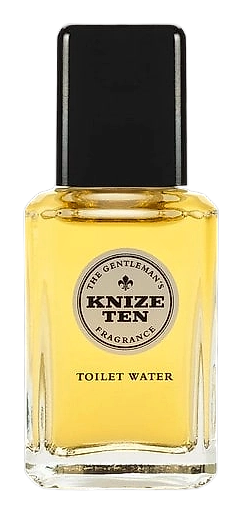
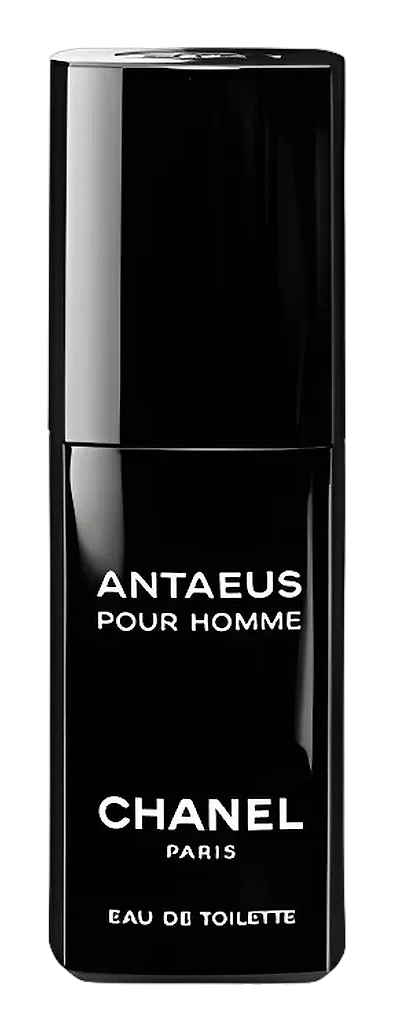
Lui sits comfortably alongside references like Knize Ten and Chanel Antaeus, fragrances that share its unapologetic density and refusal to compromise. These are compositions built for wearers who treat fragrance as wardrobe rather than accessory, who want something with weight and presence rather than transparency, and who appreciate materials that announce themselves without apology.