The Story
Why it exists.
The beginning
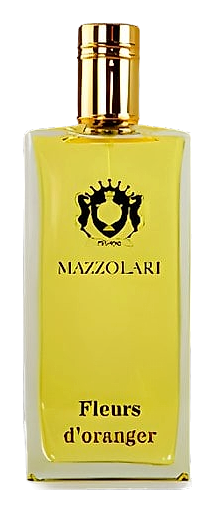
Fleurs d'Oranger centers on the neroli-orange blossom axis, with the white floral harvest as its emotional core. The composition builds outward from that central flower, surrounding it with woods and resins that feel rooted rather than decorative. Neroli brings the bright, almost bitter snap of freshly crushed citrus peel, that first burst when the oil releases and settles into something softer on the skin. Orange blossom arrives as the fuller, rounder expression, slightly honeyed and warm, the way the flowers smell hours after they've been picked rather than at the moment of harvest. Together they form the spine of the composition, and everything else either lifts or grounds that axis.
What sets this composition apart is its geographic layering in the top notes alone. Brazilian orange, Sicilian lemon, Calabrian bergamot, and Turkish rose all arrive in the opening, an unusually wide citrus palette that reads less like a single sour note and more like sunlight moving across different surfaces. The heart then commits to African orange flower, the most concentrated expression of the neroli harvest, supported by jasmine and two distinct wood notes.
The evolution
The first 20 minutes belong almost entirely to the citrus quartet. It opens sharp, almost confectionery, the way a just-zested orange smells before the bitterness kicks in. That brightness thins rather than fades, making room for the orange flower and jasmine to surface around the 30-minute mark. The florals don't dominate so much as cushion the citrus, adding a soapy, slightly creamy weight that smooths the edges. By the two-hour mark, the sandalwood and cedarwood have taken over the architecture, and the composition starts reading warmer and more resinous. Tonka bean arrives quietly underneath, adding a soft almond sweetness, while vanilla rounds everything without making it gourmand. On skin the drydown holds comfortably through the day, staying close rather than projecting in any aggressive way.
Cultural impact
Fleurs d'Oranger occupies a particular corner of the neroli category: bright enough to read as a daytime fragrance, structured enough to carry through cooler months. Wearers tend to describe it as an everyday composition rather than an event scent, the kind of bottle that lives on a vanity rather than a dressing table. Its citrus opening has a generosity to it, a fuller pour of bergamot and orange than most neroli-led scents attempt, which gives it a presence in cooler air where brighter compositions can disappear.