The Story
Why it exists.
The beginning
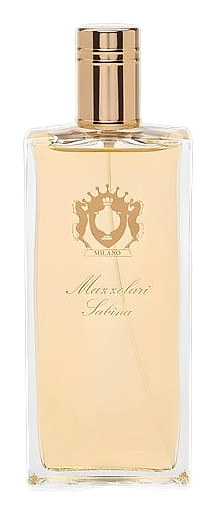
Sabina is a floral composition built around tuberose, and it makes the case for restraint without ever using the word. The fragrance opens with the green-edged lushness of neroli cutting against the heavier petals, a brightness that keeps the tuberose from settling into the candy register it so often falls into. Everything about Sabina suggests a structure built carefully, layer by layer, with materials that were given room to show what they actually do rather than what trends say they should. The heart belongs to tuberose unapologetically: creamy, narcotic, slightly indolic in the way that makes white florals worth wearing. Neroli wraps the edges, lifting the composition so it never feels bogged down in its own intensity. Then the base takes over and the fragrance finds its footing.
What separates Sabina from a wall of white-floral compositions is the way the base materials refuse to behave as mere support. Benzoin doesn't just anchor the drydown, it shapes the entire middle of the fragrance, lending a warm-spicy resin quality that makes the tuberose feel less like a garden and more like a room. The sandalwood adds a smooth texture beneath the florals, giving the composition a tactile density that holds its shape on skin through the wear.
The evolution
The first fifteen minutes belong to tuberose and neroli, both unapologetic. The neroli lifts the tuberose's natural density, giving it an almost cologne-like brightness before the floral's full weight settles in. Ylang-ylang threads through the top with a buttery sweetness that softens what could otherwise feel sharp. Around the twenty-minute mark, the white-floral opening hands off to the heart. Benzoin arrives first, unmistakable, with its warm-spicy vanilla-leaning resin character. Sandalwood and cedar follow, not as dry pencil-shaving wood but as something creamier, almost milky in their softness. The composition reads smooth and enveloping here, the kind of mid-phase that makes you check your wrist to confirm the scent is still there. By the ninety-minute mark, the base takes its position. Labdanum brings a dark amber warmth, and vanilla settles in without tipping into dessert territory. What lingers past the four-hour mark is the benzoin-sandalwood-vanilla axis, a quiet trio that stays close to the skin.
Cultural impact
Sabina sits comfortably within a tradition of white florals treated as serious materials rather than trend accessories. It belongs to a slow-growing current in fragrance where compositions lean into the inherent complexity of materials like tuberose rather than smoothing them into something neutral or crowd-pleasing. The structure rewards attention. Neroli offers a quick brightness at the opening that doesn't overstay, while tuberose settles into its narcotic, slightly green register at the center without ever tipping into the soapy territory that cheaper florals tend toward.