
The Story
Why it exists.
The beginning
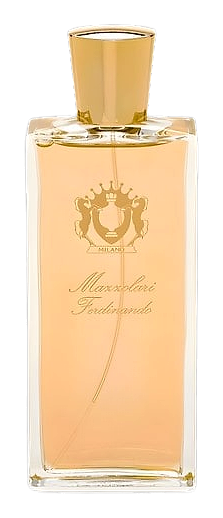
Ferdinando carries a name, and that name does some quiet work before you've even smelled what's inside the bottle. It's a scent with a personal weight, the kind of fragrance that doesn't explain itself but expects you to notice it. The first impression is composed rather than loud, deliberate without feeling stiff. There's something about how it presents that suggests care went into the choice of name and the juice behind it, something that earns your attention rather than demanding it. Rather than chasing trends, this sits in a tradition of considered compositions made for people who find them through word of mouth. Ferdinando belongs squarely in that category, a personal fragrance dressed as a quiet statement.
What makes this composition worth your time is the conversation between its parts. Lemon and mint up top do the bright, almost bracing work, while honey in the heart brings a dense sweetness that gives the whole structure its gravitational center. Geranium and jasmine lend a green floral lift to cut the honey's weight, and nutmeg threads warmth through the whole composition.
The evolution
The first thirty minutes belong to the top. Lemon zest, orange, and a flicker of mint hit fast and bright, almost like an aperitivo on a warm evening. Then the honey arrives, and the whole composition pivots. The citrus doesn't vanish; it gets swallowed slowly by warmth. Nutmeg and geranium creep in around the forty-minute mark, adding spice and a green floral edge that keeps the sweetness from going cloying. By hour two, the jasmine has settled into the honey like it's always been there, and the oud begins to surface beneath everything, dark and resinous. The drydown is where Ferdinando earns its longevity. Cedar and patchouli take over somewhere around hour five, and the tonka bean sweetens the base without overwhelming it. Ten hours in, on fabric, there's still a quiet hum of honey-cedar-musk left behind, a low warmth that holds close to whatever it was sprayed on.
Cultural impact
Ferdinando draws comparisons to Xerjoff's Naxos, though with a different balance between its parts. Wearers often note its longevity and structure, and the fragrance rewards patience over loud projection. It's the kind of scent that doesn't need to be told what to be, and the kind of wearer who doesn't need to be told what to like. The composition has a way of anchoring itself in memory after a single wearing, and that kind of recall is rarer than it sounds. Among people who pay attention to how a fragrance wears over a full day rather than just the first hour, Ferdinando earns its share of notice.