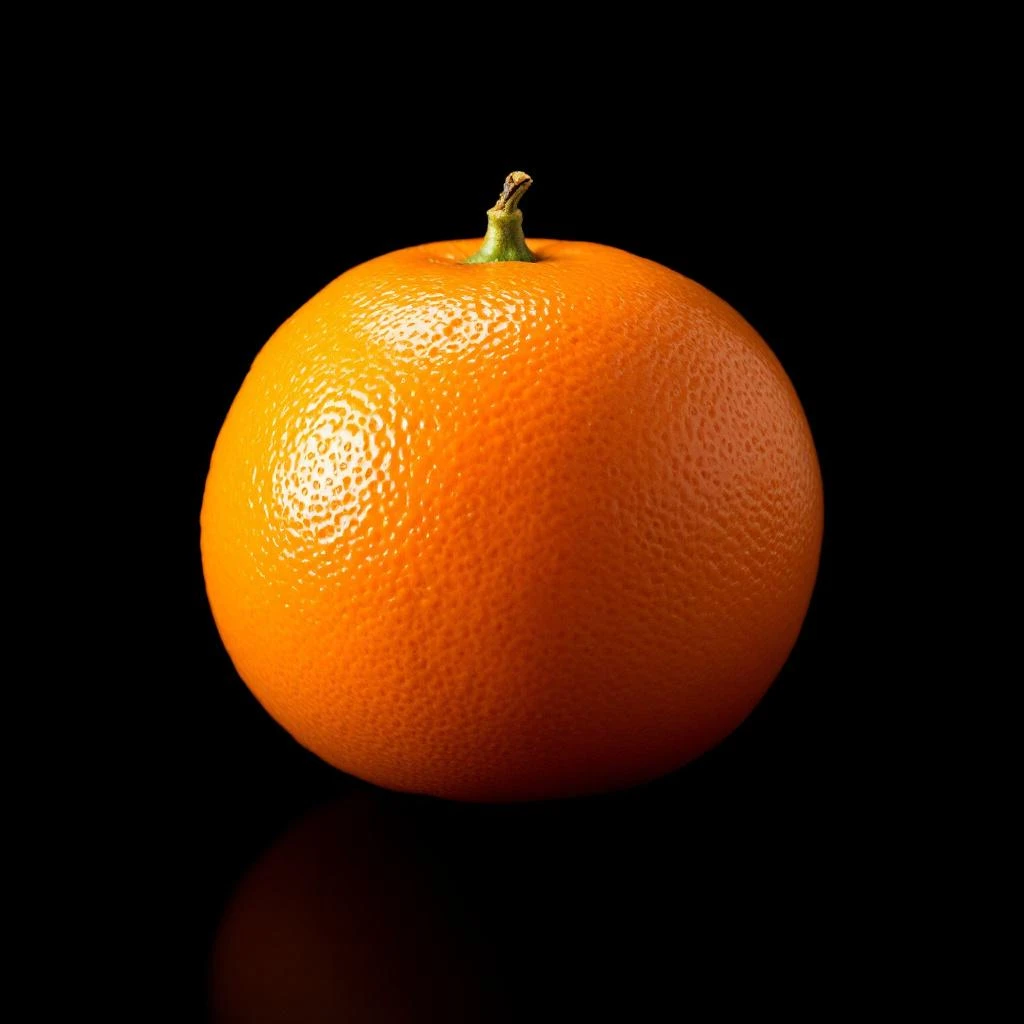
Lemon Peel
Lemon peel delivers an immediate burst of sunshine. Unlike flowers that bloom slowly into a fragrance, citrus zest hits the nose with clean, sharp energy the moment the bottle opens.

Character
How it smells
The first note. The opening spark. Pure sunshine.
The zesty aroma lives in tiny oil glands dotting the peel surface. You need roughly 3,000 lemons to produce one kilogram of essential oil.









Origin
India
Lemon cultivation traces back more than 3,000 years in the Kashmir region, where the fruit grew wild before cultivation began. From South Asia, Arab traders carried lemons along ancient routes to the Mediterranean. The fruit reached Sicily by the 10th century, and cultivation expanded rapidly across Italy and Spain.
Sicilian producers developed the cold-press technique that defined modern citrus extraction. Before synthetic aroma compounds emerged in the 19th century, perfumers relied entirely on natural citrus peel oils to create bright, energetic opening notes. The practice of using lemon zest in fragrant preparations dates to ancient Roman bathing rituals, where citizens soaked in scented oils for pleasure.
Greek physicians documented lemon essential oil in medical texts. The ingredient never lost its place in perfumery, even as chemical synthesis advanced. It remains essential because no laboratory process fully replicates the complexity of fresh lemon peel.
Wears it best
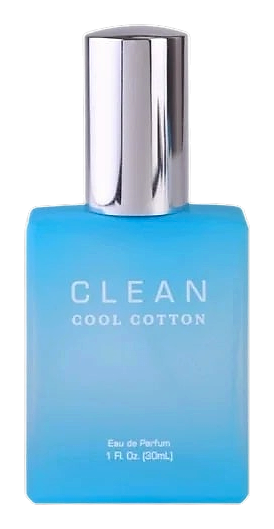
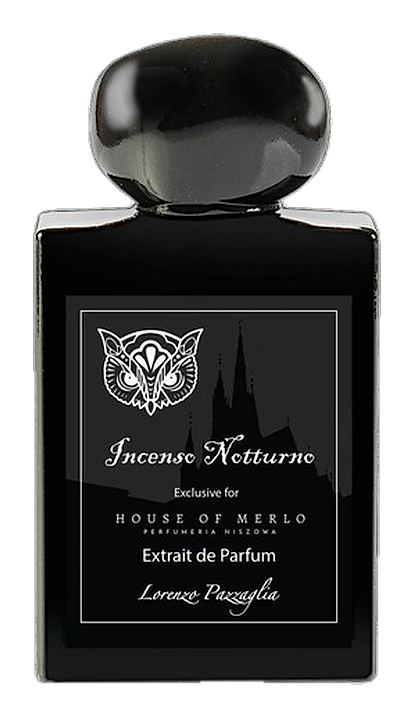
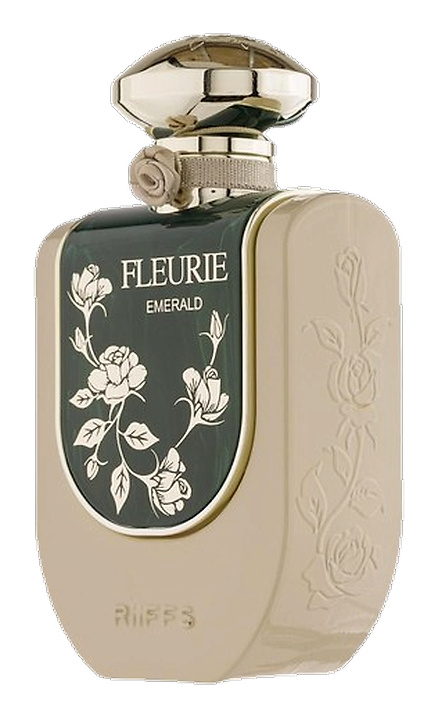
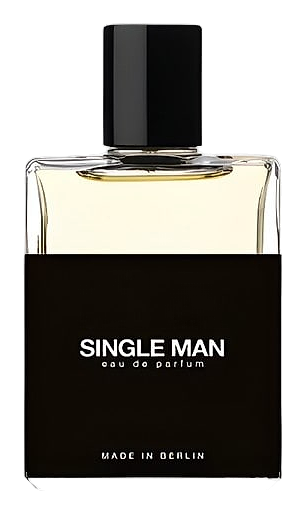
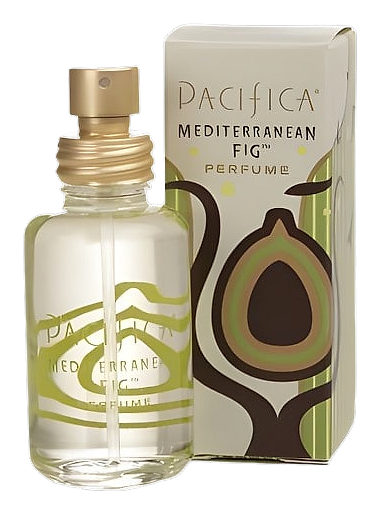
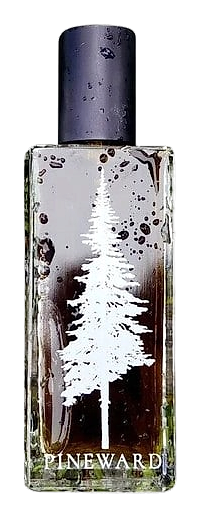
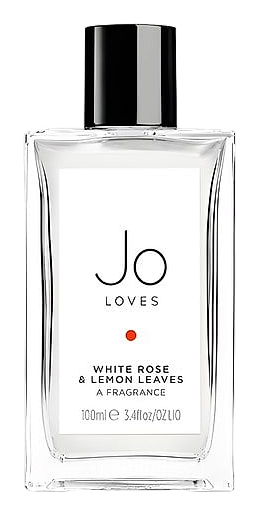
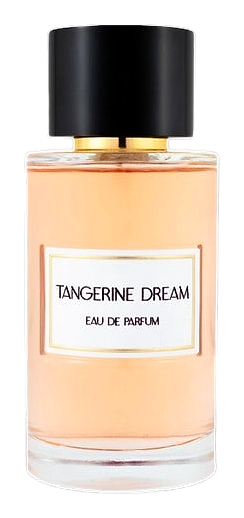
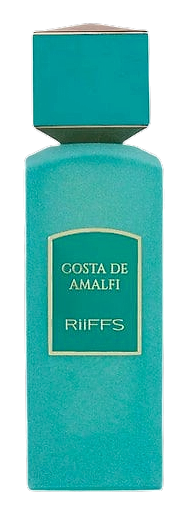
Fragrances featuring Lemon Peel



Brands
Brands known for Lemon Peel
Good to know
Questions, answered
The essentials on Lemon Peel in perfumery: how it smells, where it comes from, and how it behaves on skin.
What gives lemon peel its distinctive scent?
Limonene comprises about 70 percent of cold-pressed lemon oil, providing the characteristic fresh peel aroma. Citral adds the sharp, true lemon quality. Together these compounds create the clean, bright scent profile.
How long does lemon peel oil last in a fragrance?
Lemon peel functions as a top note, offering immediate brightness that fades within 15 minutes to two hours. Blending it with heart and base notes extends the citrus impression.
What is the difference between lemon oil and lemon essence?
Lemon oil comes from cold-pressing the peel, capturing the full aromatic profile. Lemon essence involves solvent extraction and typically yields a different, more concentrated aromatic material.
What extraction method produces lemon peel oil?
Cold expression is the primary method. The slow-folding process developed in 19th-century Sicily moistens peels for 10 hours before mechanical pressing, preserving delicate citrus compounds.
Where did lemon cultivation originate?
Lemon cultivation began more than 3,000 years ago in the Kashmir region. The fruit spread westward along trade routes to reach the Mediterranean by the 10th century.
How should lemon peel oil be stored?
Citrus oils degrade quickly when exposed to light and warmth. Store in dark glass containers in a cool environment. Properly stored oil maintains quality for six months to one year.
Does lemon peel oil have uses beyond perfumery?
Research highlights antioxidant and antibacterial properties in lemon peel extracts. The oil appears in cosmetic formulations and functional products beyond fragrance applications.
Are there safety concerns with lemon peel oil?
Furocoumarins in citrus peel can cause photosensitivity. IFRA guidelines restrict certain levels in finished fragrances to prevent skin reactions when exposed to sunlight.