
The Story
Why it exists.
The beginning
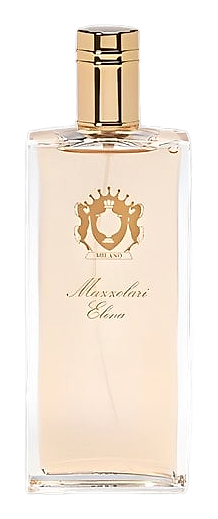
Elena arrived in 2014 as Mazzolari's entry into the floral-sweet category, a composition built on osmanthus and orange blossom, anchored by the house's signature restraint. The name carries Italian feminine energy without being literal or programmatic. Rather than competing on projection or longevity, Elena chooses intimacy, a scent for the wearer's own awareness as much as for the room.
What makes Elena structurally interesting is the osmanthus-vetiver pairing at its heart. Osmanthus brings apricot, tea, and a faintly bitter floral note that most perfumers hedge with sweeter accords. Here, vetiver answers, mineral-green, almost cool, creating a tension that amber and vanilla gradually warm without fully resolving. It's a composition that earns its subtlety rather than defaulting to it.
The evolution
The opening lasts perhaps ten minutes: cool, mineral, osmanthus asserting its bitter-floral character while orange blossom sits waxy and quiet in the background. No sweetness yet. Then amber arrives, tentative, followed by vanilla, but they don't overwhelm. The drydown is where this fragrance earns attention: musk and woody notes grounding the florals, vetiver extending into something almost smoky. One reviewer described it as a struggle between notes that never quite resolves, and that tension is the point. Moderate sillage means it stays close, intimate, a secret the wearer chooses to share.
Cultural impact
Elena occupies a quiet corner of niche perfumery, appreciated by those who value restraint over projection. Released in 2014 by a Milanese house that has never chased mass recognition, it appeals to wearers who understand that sophistication whispers. The fragrance has earned loyal fans who prefer a subtle floral over something that announces itself from across the room.