The Story
Why it exists.
The beginning
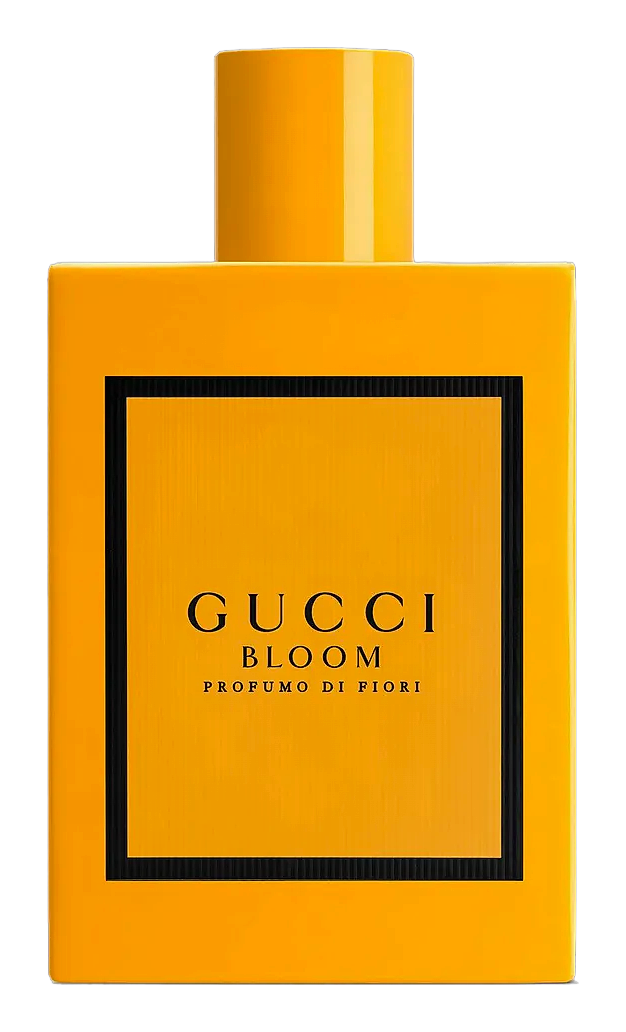
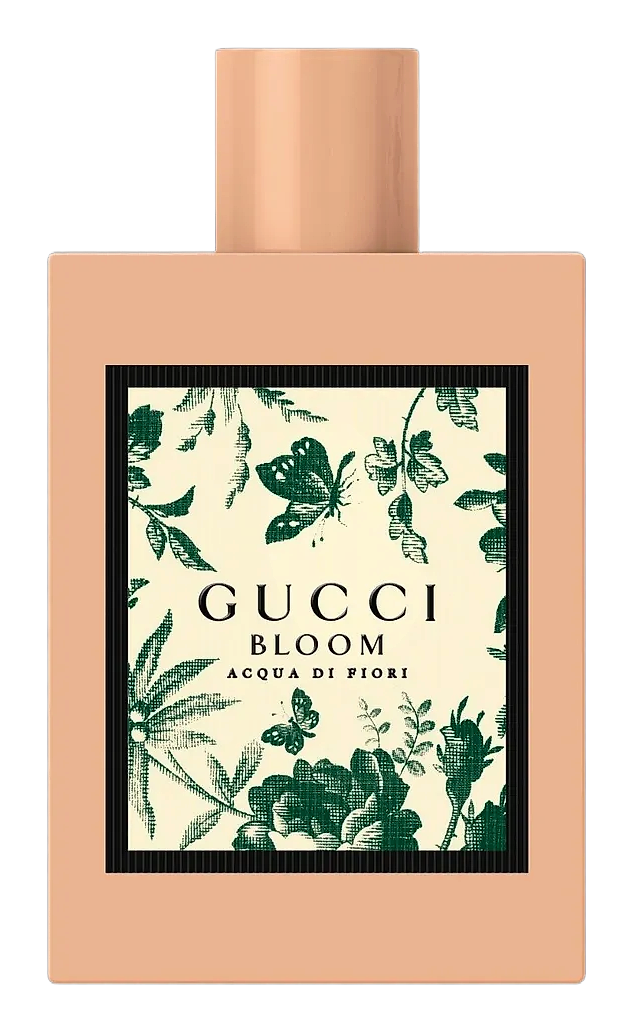
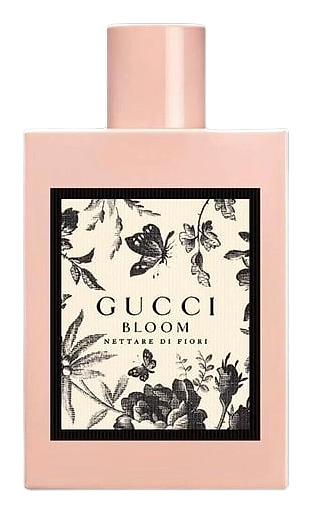
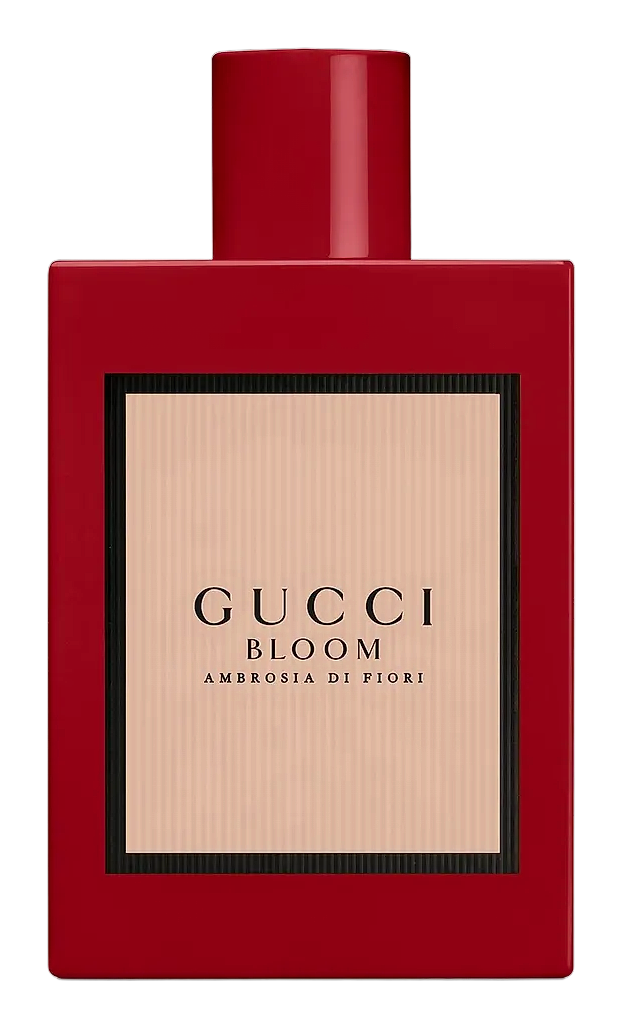
Alberto Morillas built Bloom Ambrosia di Fiori in 2019 as the next chapter in the Gucci Bloom narrative. The name carries weight: ambrosia, the food of the gods. Di fiori, of flowers. Morillas, who had already translated Alessandro Michele's vision of gardenia into olfactory form with the 2017 original, returned to the Bloom collection with a focus on amplifying the white floral heart. The fragrance builds on its predecessor by emphasizing tuberose and jasmine in greater concentration, creating a more assertive and opulent character. Creamy tuberose notes interweave with heady jasmine, producing a lush, intensely floral experience that distinguishes this from the original. The result is a fragrance that earns its name.
What makes Bloom Ambrosia di Fiori distinctive is the interplay between creamy white florals and the unexpected green snap of jasmine bud and Rangoon creeper. These two materials keep the composition from reading as purely sweet, providing contrast and depth that elevates the tuberose. The Rangoon creeper adds a green-floral dimension that brings an unfamiliar character to the blend, while the jasmine bud keeps the overall effect grounded and fresh.
The evolution
The opening announces itself immediately. Jasmine bud arrives first, green and crisp. Within moments, the tuberose emerges underneath, creamy and heady, and the composition shifts from green to lush. The transition is seamless, with no harsh line between the opening and the heart. By the second hour, the Damask rose appears, adding a softer warmth to the tuberose. The jasmine never fully disappears, keeping the florals grounded. By hour four, the orris root takes over, adding powdery iris-like texture that smooths everything into a quiet, close whisper. On fabric, the florals can linger into the evening. On skin, the composition reveals its full arc over time, with the orris providing a lingering powdery warmth as the more volatile top notes fade.
Cultural impact
Bloom Ambrosia di Fiori sits within the Gucci Bloom family as the denser, more assertive expression of the collection's core idea: feminine vitality translated into scent. Since its 2019 launch, it has represented a more concentrated take on the white floral theme. The original Gucci Bloom launched in 2017 under Morillas set the tone, and Ambrosia di Fiori offered a bolder interpretation for those seeking greater intensity.