Rangoon Creeper
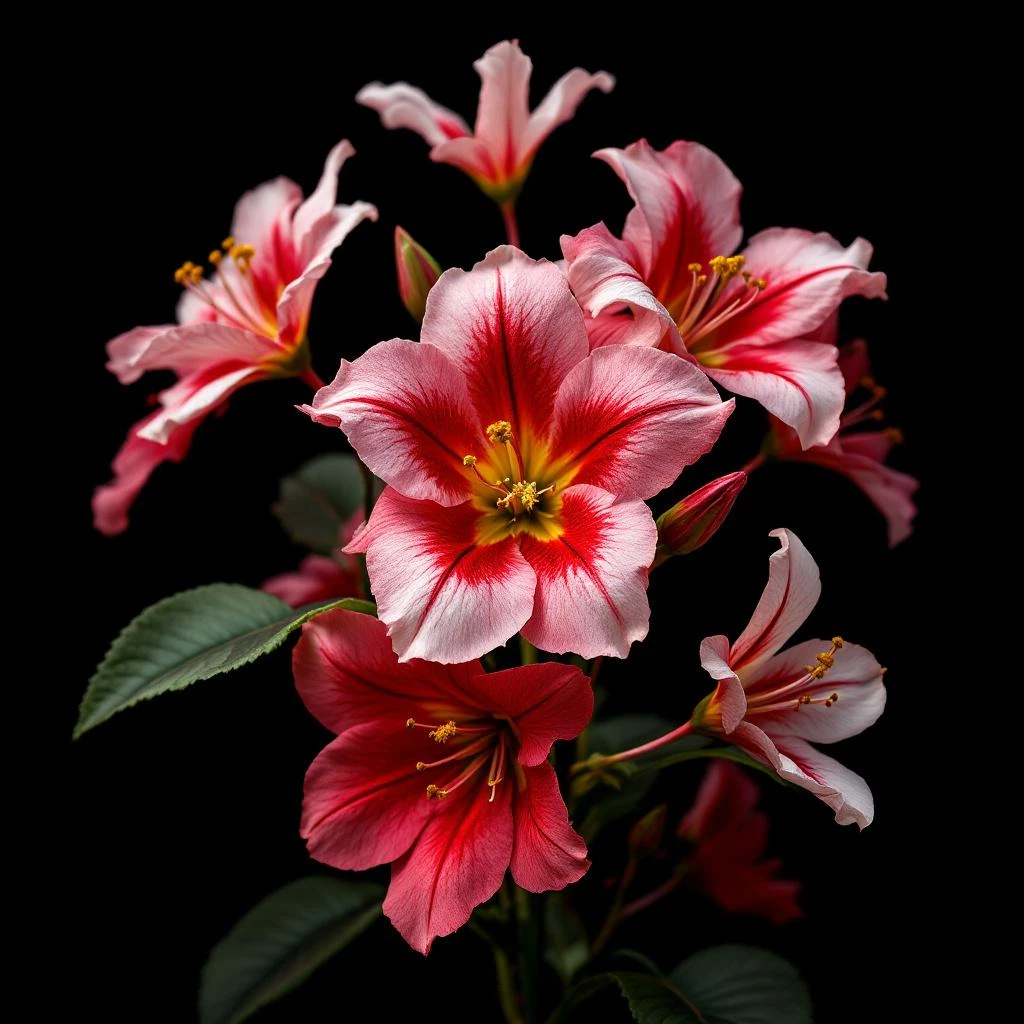
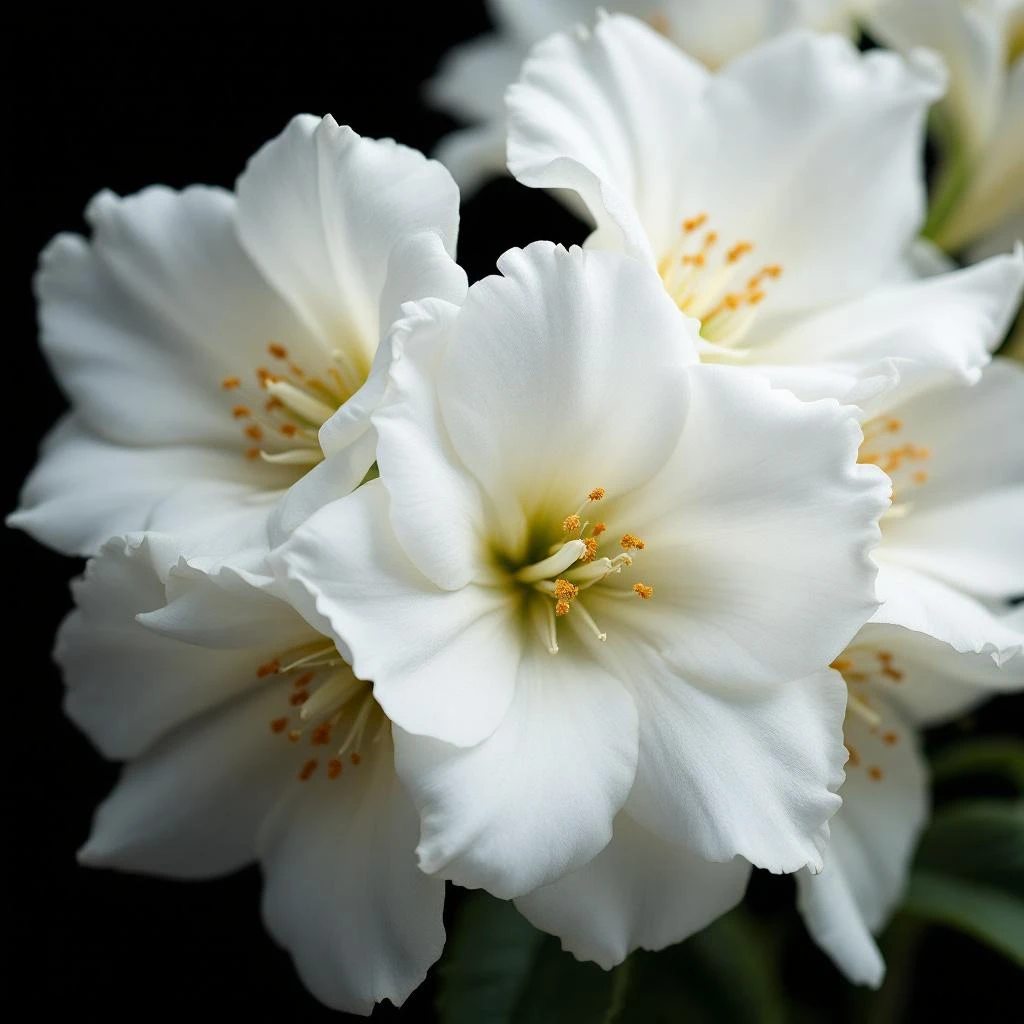
Rangoon Creeper (Combretum indicum) is a tropical climbing vine native to South India, Malaysia, and the Philippines. Its tubular flowers open white at dusk, deepen to pink, and arrive at deep crimson by morning. The scent combines sweet, fruity, and floral layers—evoking ripe guava, toasted coconut, and warm tropical night air. Until recently, the flower had never been captured for commercial perfumery. The name "Rangoon" references Yangon, Myanmar.
Character
How it smells
Perfumery's most recently discovered flower
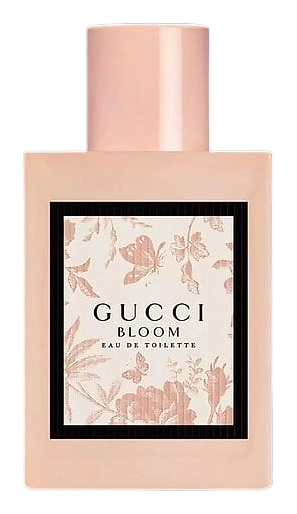
Rangoon Creeper flowers change color daily—opening white at dusk and deepening to crimson by the next morning. This 24-hour transformation inspired the scent arc in Gucci Bloom.







Origin
India
Rangoon Creeper carries a botanical identity crisis in its scientific name. Early European horticulturists encountered the plant in Malaysia, the Philippines, and South India and could not reconcile its appearance across different growth stages—as a climbing vine, a shrub, and a small tree. The original classification Quisqualis indica literally means "Who? What?
of India," reflecting that bewilderment. The plant has since been renamed Combretum indicum, but the original nomenclature preserves a record of that early confusion. For centuries, the vine was valued in Southeast Asian and South Asian gardens for its ornamental beauty and nocturnal fragrance. Local medicinal traditions used various parts of the plant.
The flower's journey into Western perfumery required a leap of analytical technology—headspace capture—which allowed perfumers to study and recreate a scent that conventional extraction could not reliably deliver. Rangoon Creeper entered the professional fragrance lexicon only in 2017, making it one of the newest ingredients in modern perfumery, despite the plant's centuries of regional cultivation.
Wears it best
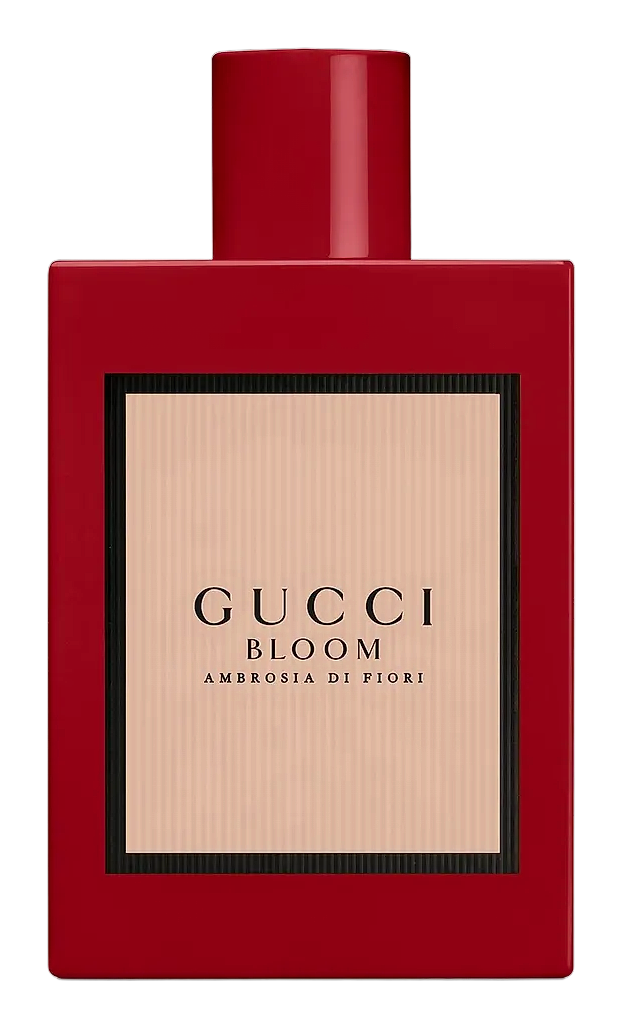
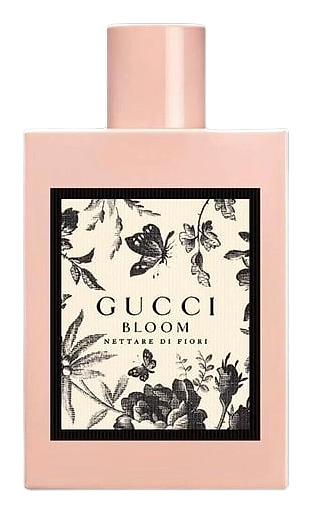
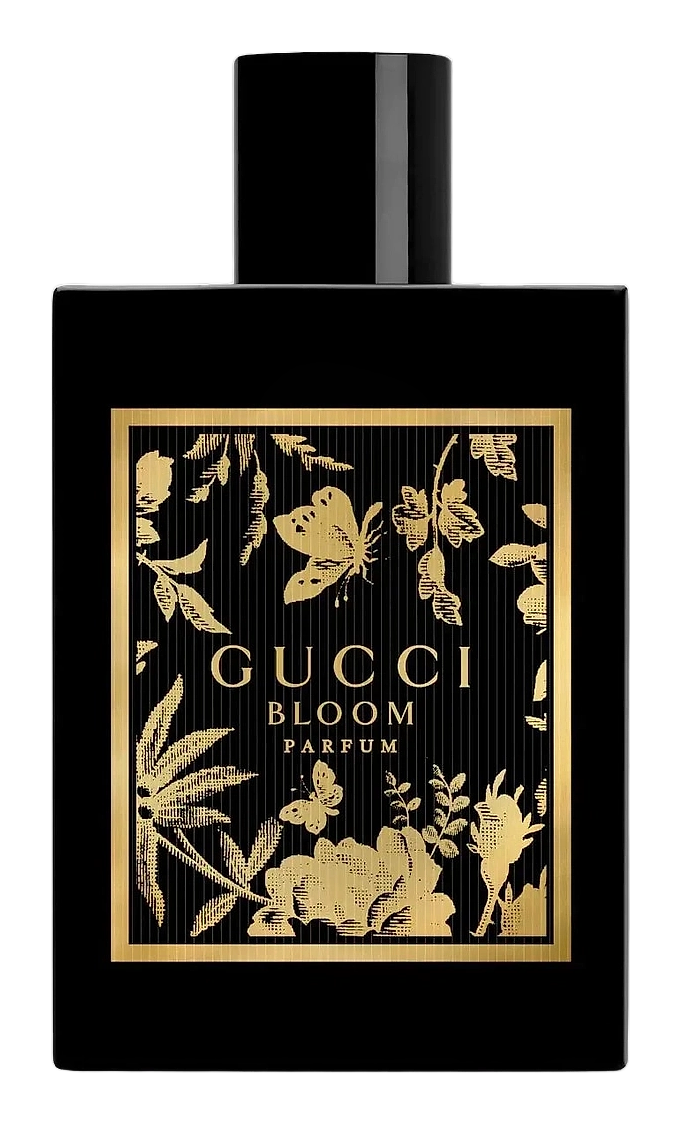
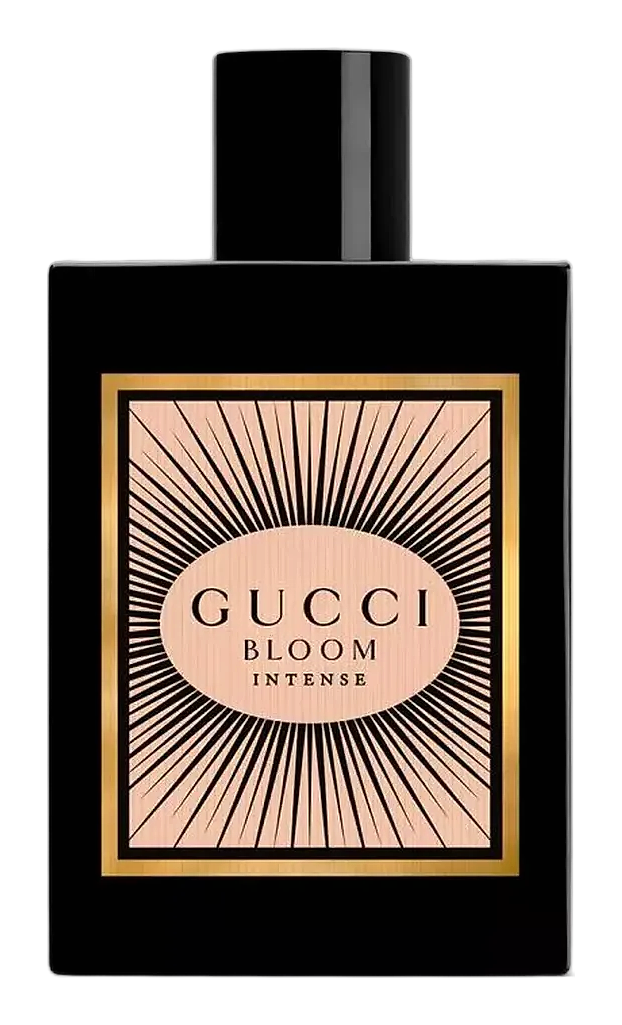
Fragrances featuring Rangoon Creeper

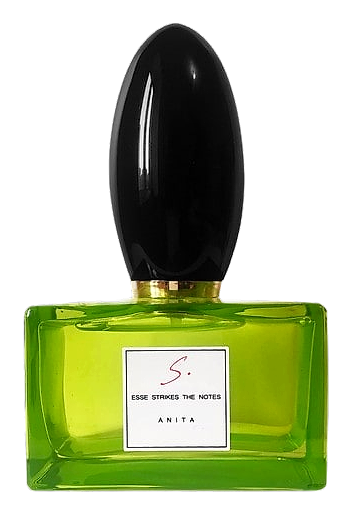
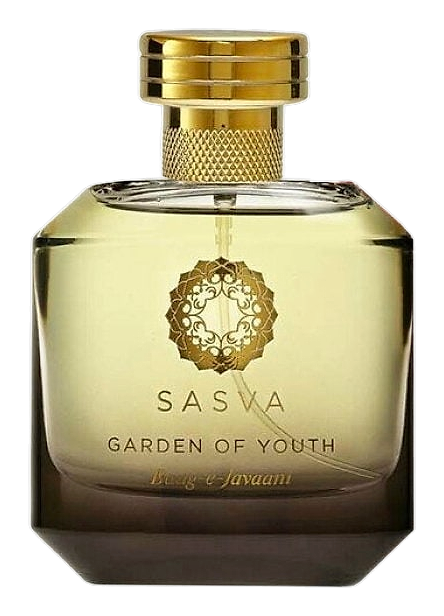
Brands
Brands known for Rangoon Creeper
Good to know
Questions, answered
The essentials on Rangoon Creeper in perfumery: how it smells, where it comes from, and how it behaves on skin.
What does Rangoon Creeper smell like?
Rangoon Creeper smells sweet, fruity, and floral with tropical nuances. The scent evokes ripe pink guava, subtle coconut warmth, and a powdery floral backbone. Gardeners describe it as an appetizing nighttime fragrance—the kind that drifts through warm evening air.
Where does Rangoon Creeper grow?
Rangoon Creeper is native to South India, Malaysia, and the Philippines. It thrives in tropical and subtropical climates, where it grows as a vigorous climbing vine. Gardeners in South Florida and Dubai report it grows prolifically, sometimes almost like a weed in warm regions.
How is Rangoon Creeper extracted for perfume?
Headspace technology captures Rangoon Creeper's scent profile. Perfumers expose living flowers to a specialized chamber that collects volatile aromatic molecules released during blooming. This method succeeded where traditional extraction—solvent, steam, or enfleurage—failed to deliver consistent results.
When did Rangoon Creeper first appear in perfume?
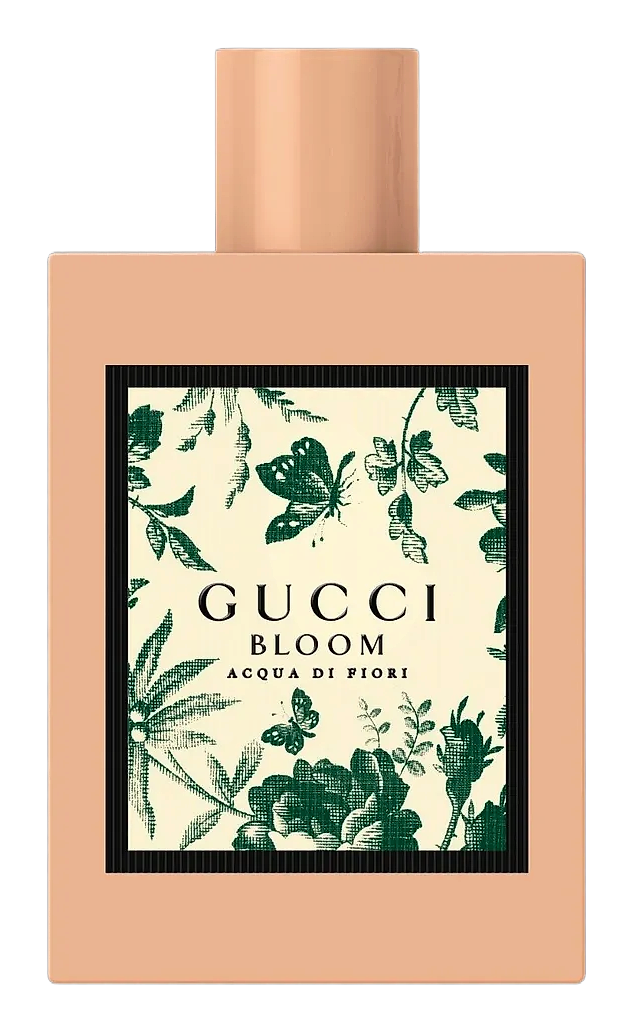
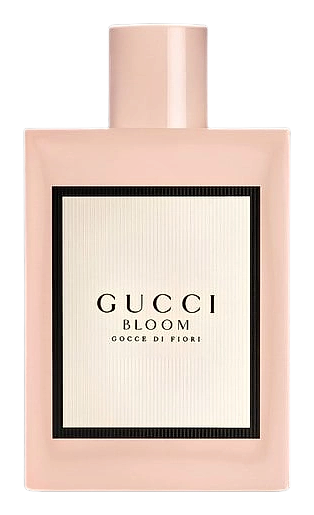
Gucci Bloom, released in 2017 and composed by Alberto Morillas, introduced Rangoon Creeper as a commercial fragrance note. Gucci called it an exclusive material, marking the flower's debut in modern perfumery despite centuries of cultivation across Southeast Asia.
Is Rangoon Creeper natural or synthetic?
Rangoon Creeper is derived from a natural flower but captured using headspace technology rather than physical extraction. This analytical method recreates the scent profile of the living bloom. Small-batch natural tinctures exist, but headspace-derived material dominates the commercial market.
What does Rangoon Creeper pair well with in perfume?
Rangoon Creeper combines naturally with tuberose, jasmine, and other tropical white florals. In Gucci Bloom, it sits at the heart of a lush bouquet. The note also works with soft musks and green accents that echo its fruity, powdery character.
Does Rangoon Creeper change color, and does that affect scent?
Rangoon Creeper flowers open white at dusk, deepen to pink, and reach deep crimson by the next morning. This daily color cycle reflects the flower's maturation. The most aromatic phase occurs when the flower has fully opened and released its nocturnal fragrance.
Can I grow Rangoon Creeper at home for fragrance use?
Rangoon Creeper grows readily in USDA zones 10 and above. In cooler climates, it may die back during winter but often regrows from the roots in spring. Home growers in South Florida report success with minimal supplemental water. Extraction at home typically involves tincture or enfleurage.