
The Story
Why it exists.
The beginning
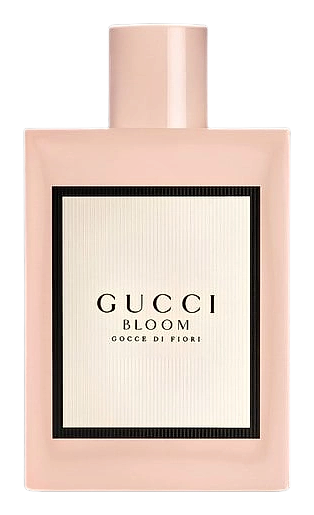
Alberto Morillas built the original Gucci Bloom in 2017 as a statement: full-throttle white florals, maximalist gardenia, tuberose that refused to apologize for itself. It worked. The fragrance became a cornerstone of Gucci's modern olfactory identity. But every maximalist vision has a counterpoint waiting to be written. Gocce di Fiori, launched in 2019, is that counterpoint. The name means "drops of flowers." The intention is exactly that: not an explosion, not a garden in full bloom, but the condensation on petals at dawn. A lighter hand. A quieter conviction. Morillas returned to his original framework and asked a simple question: what if we gave it room to breathe?
The answer is a composition that feels almost translucent by comparison. Jasmine takes the lead here, more prevalent than in the original, with honeysuckle floating beneath like a supporting harmony. Tuberose is present but not dominant, it adds body without weight. Rangoon Creeper, the distinctive Indian flower that anchors the Bloom lineage, appears in the heart, contributing its unique green-floral character without overwhelming. What makes this interesting is the restraint. White florals are inherently generous fragrances; they want to fill space. Gocce di Fiori resists that impulse. It's white floral written in pencil, not crayon.
The evolution
The opening announces itself quickly, jasmine first, warm and immediate, with honeysuckle giving it a soft green undertone. There's no sharp transition, no moment where one note hands off to the next. Instead, the florals layer gradually, tuberose arriving around the 15-minute mark to add creaminess without sweetness. The Rangoon Creeper emerges in the heart, bringing a subtle vegetal quality that keeps the composition from becoming saccharine. By the time you reach the drydown, the florals have settled into something intimate and close to the skin. The musk base anchors everything, giving it persistence without projection. On fabric, it lasts through the day. On skin, it transitions from presence to whisper over 8-10 hours. What remains is soft, jasmine and skin-warm musk, the ghost of the garden you walked through that morning.
Cultural impact
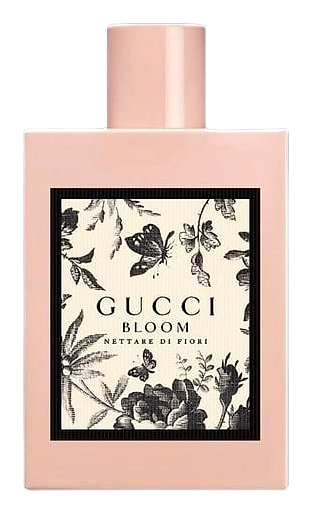
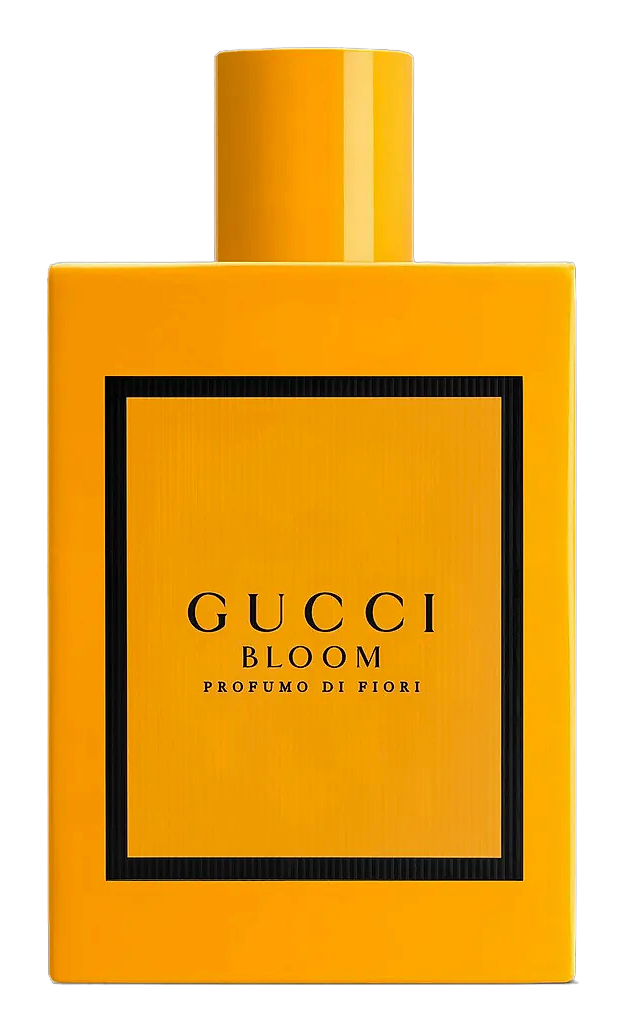
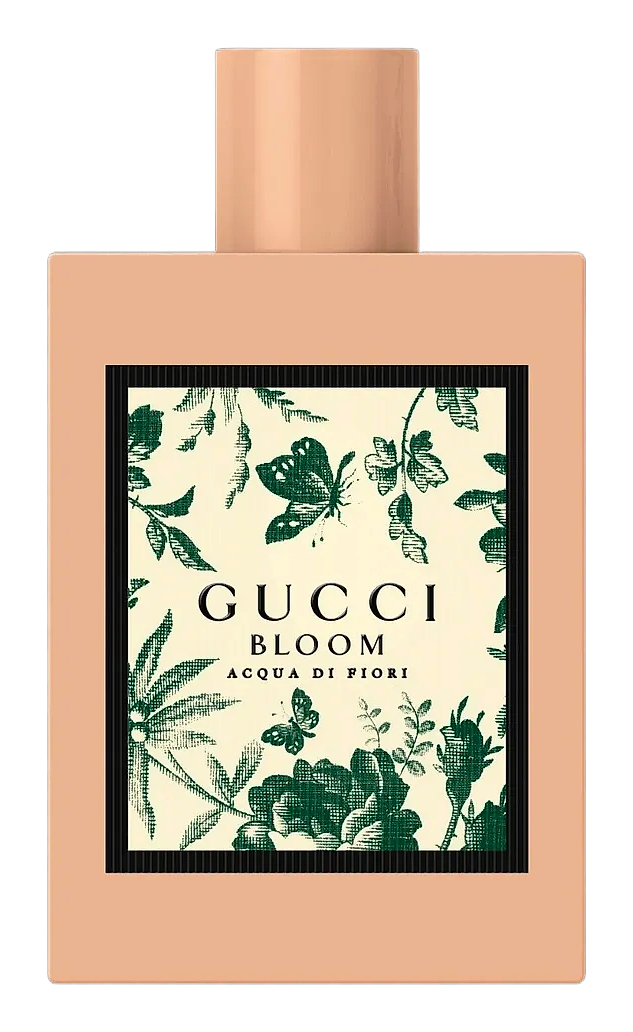
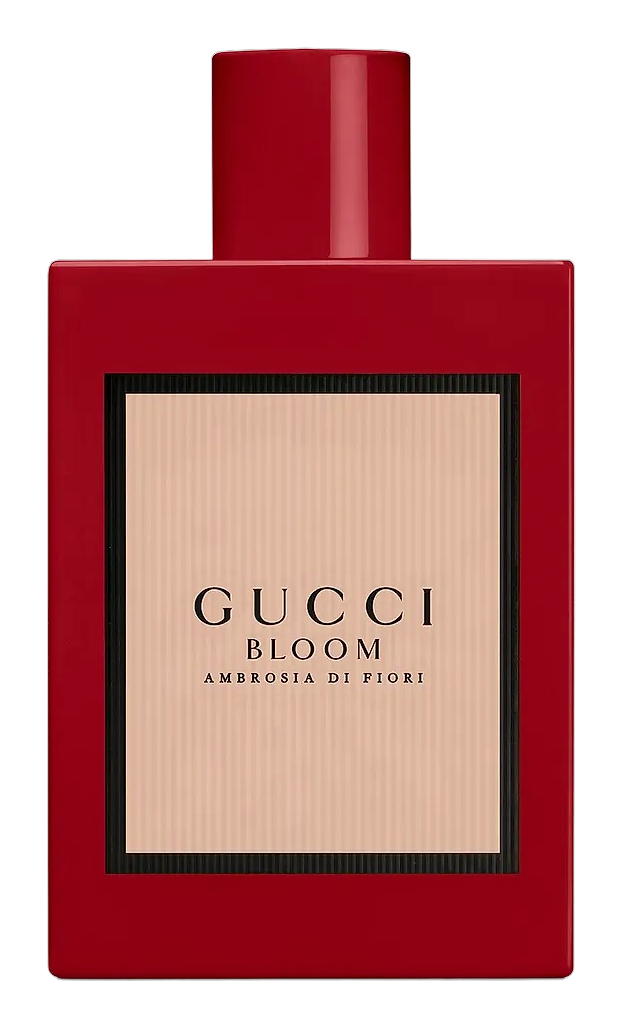
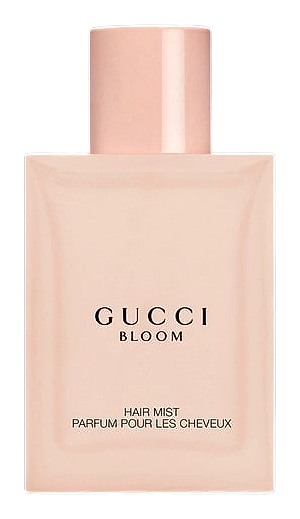
Gocce di Fiori exists as part of Gucci's deliberate strategy of variation within a single olfactory identity. The Bloom franchise, original EDP, Nettare Di Fiori, Profumo, and now this, demonstrates how one floral concept can be reinterpreted across concentrations and moods. Rather than diluting the original, these variations have strengthened it. Each sibling fragrance attracts a different wearer while keeping them within the Gucci orbit.
The House
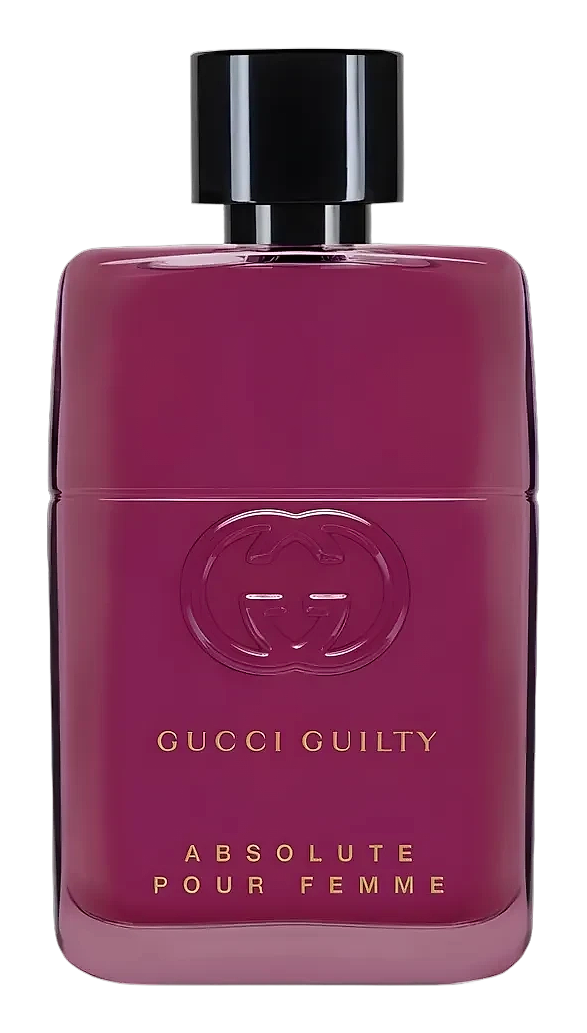
GucciSince 1921, Gucci has woven Italian craftsmanship into every facet of its creative identity. The House's venture into perfumery began in 1974, extending its Florentine heritage into olfactory form. Gucci fragrances capture the House's bold spirit: a collision of opulence and edge, tradition and provocation. From Gucci Envy's 1994 debut to the 2017 launch of Gucci Bloom under Alberto Morillas, each scent carries the House's signature audacity. Gucci Guilty Absolute (2025) continues this lineage, marrying intensity with unmistakable elegance.
The Creator
Alberto MorillasMorillas' style is characterized by a luminous transparency and a masterful use of musks. He often incorporates citrus notes to create a bright, uplifting effect.