Ambrette Root
A precious vegetable musk derived from hibiscus seeds, ambrette delivers a warm, sensual trail that blends musky depth with soft floral grace. This rare material has graced fine perfumery for centuries as a natural alternative to animal-derived musks.
Character
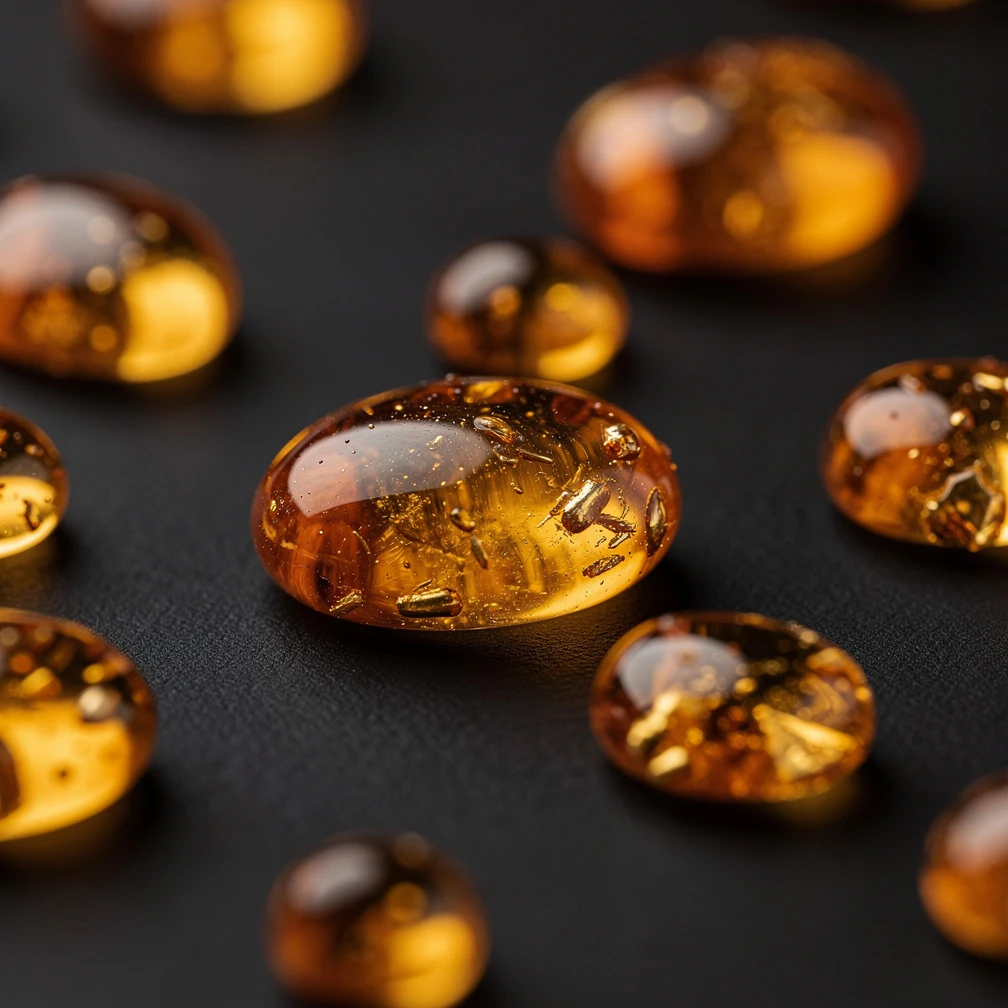
How it smells
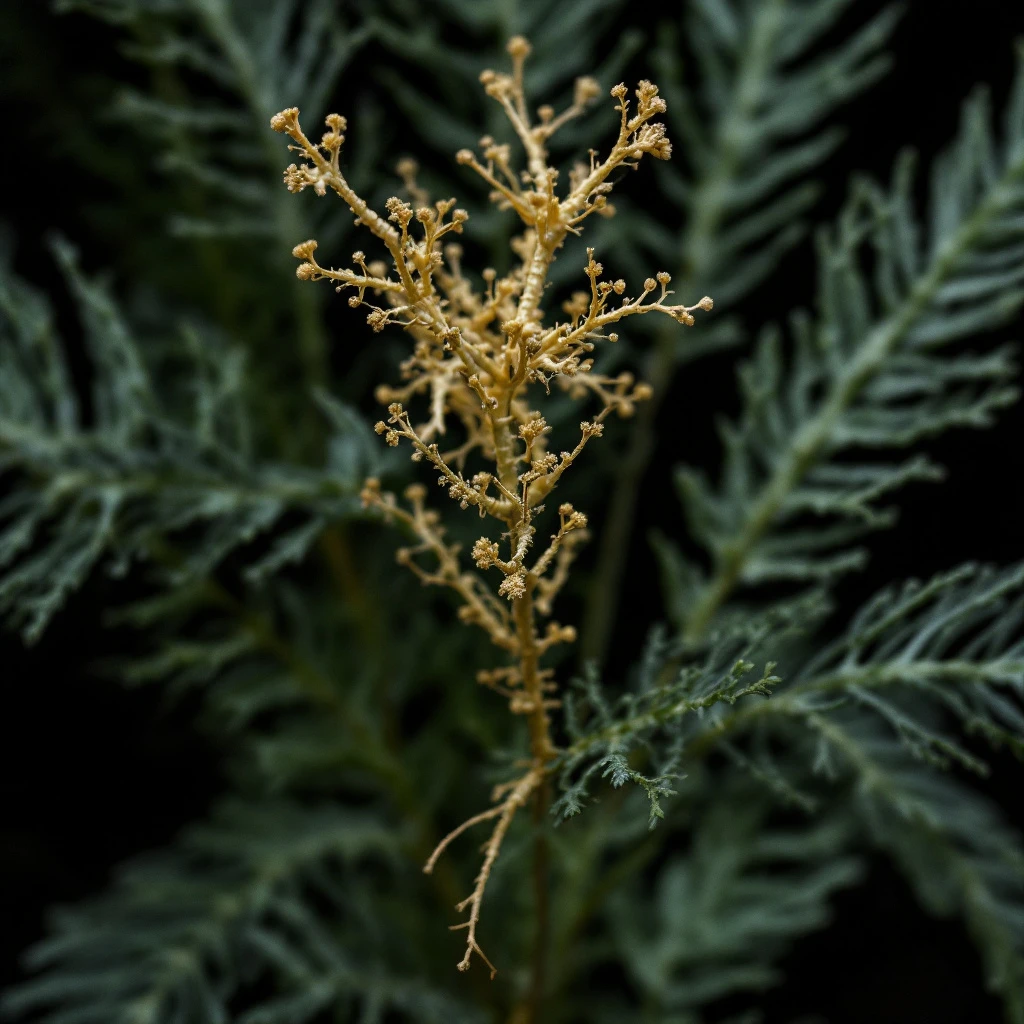
Vegetable musk with warm, sensual grace
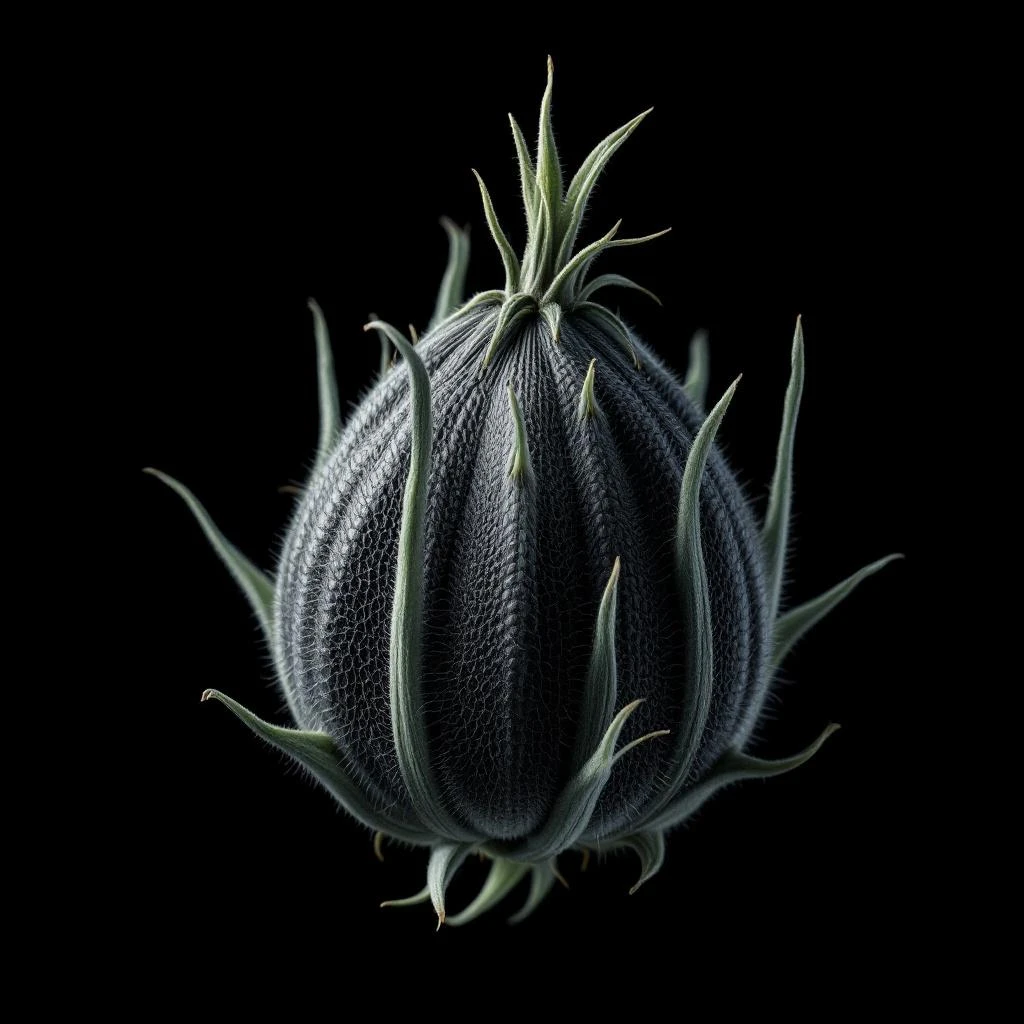
Despite its name, ambrette root actually comes from the plant's seeds, not its roots.






Origin
India
Ambrette seed traces its perfumery heritage to the tropical forests of India and Southeast Asia, where Abelmoschus moschatus has been cultivated for centuries. Historical records from the mid-1800s document its use as a fragrance additive in cosmetic preparations, including hand creams and pomades. European perfumers discovered ambrette as a refined alternative to animal musks, which were increasingly scrutinized for ethical and sustainability reasons.
The hibiscus relative found its way into aristocratic fragrance collections across France and England, where its warm, intimate character became prized for skin scents and base note compositions. Today, cultivation spans India, Indonesia, Ecuador, and Peru, with global production hovering around 60 tons annually, underscoring its enduring importance in natural perfumery.
Wears it best
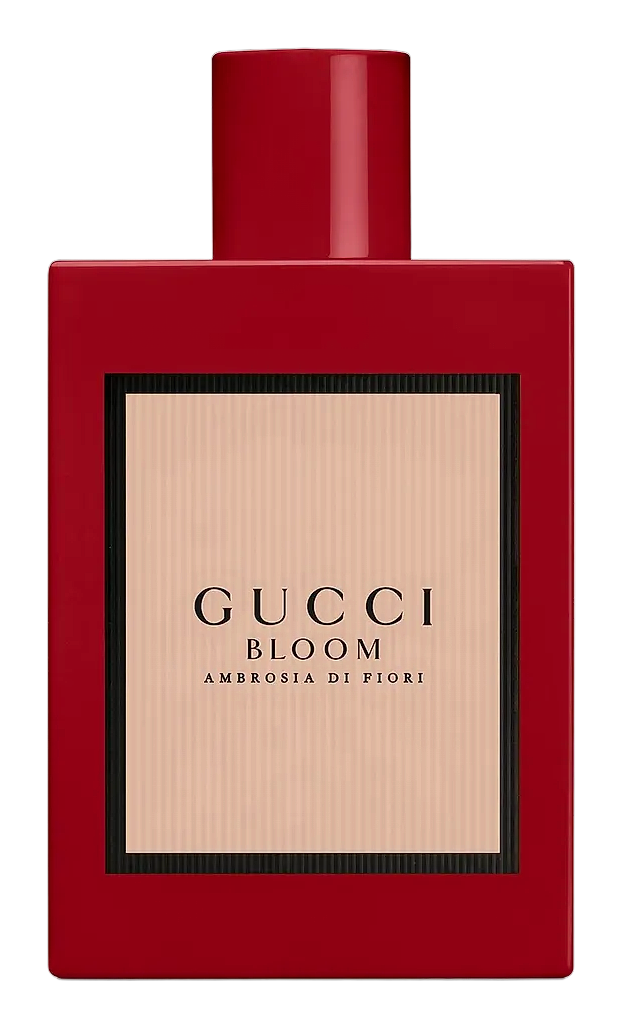
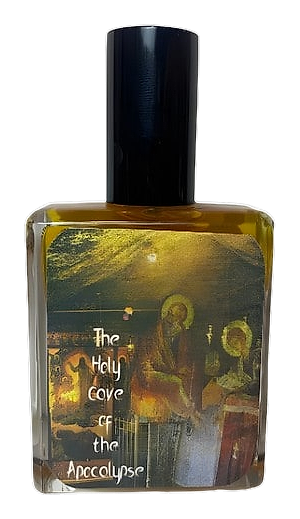
Fragrances featuring Ambrette Root
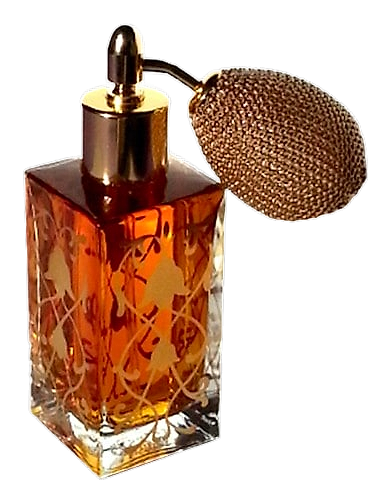
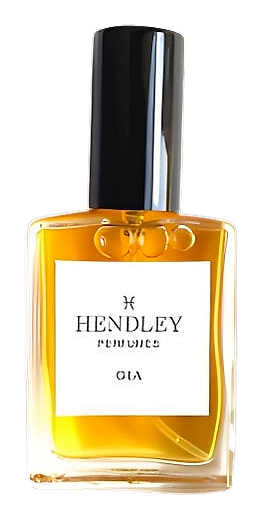
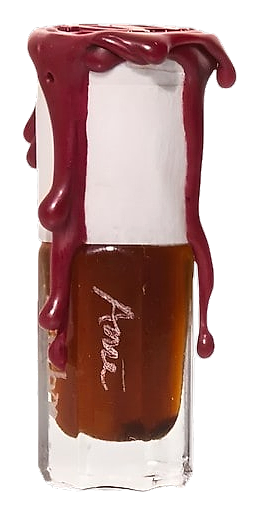
Brands
Brands known for Ambrette Root
Good to know
Questions, answered
The essentials on Ambrette Root in perfumery: how it smells, where it comes from, and how it behaves on skin.
What does ambrette smell like?
Ambrette delivers a warm, musky scent with floral undertones and a subtle seed-like complexity. It evokes soft skin warmth rather than heavy animalic musk, making it ideal for intimate, modern fragrance compositions.
Is ambrette a natural or synthetic ingredient?
Ambrette is entirely natural, sourced from the seeds of the hibiscus plant Abelmoschus moschatus. It serves perfumers as a vegetable alternative to synthetic or animal-derived musks.
Why is ambrette considered precious in perfumery?
Ambrette seeds yield only small quantities of aromatic material through extraction, making the ingredient scarce. Global production totals roughly 60 tons annually, and its complex scent profile commands significant value.
Does ambrette come from roots or seeds?
Despite common reference as 'ambrette root,' the aromatic material is extracted from the plant's mature seeds. The roots are not used in perfumery. The name likely evolved from the material's earthy, grounded musk character.
What extraction methods produce ambrette oil?
Two primary methods yield ambrette materials: solvent extraction produces an absolute with rich, complex aroma, while steam distillation yields a lighter essential oil. Both capture the characteristic musky-floral scent.
Where does ambrette originate?
Ambrette is native to India and tropical Asian forests. Major production now spans India, Indonesia, Ecuador, and Peru, with India remaining the primary origin for high-quality aromatic material.
How does ambrette perform in fragrance formulations?
Ambrette works as both a base note and a fixative, lending warmth and longevity to compositions. Its skin-like character makes it especially effective in贴身 scents and modern clean fragrance formulations.
Is ambrette sustainable?
Ambrette cultivation supports smallholder farmers across tropical regions. With approximately 60 tons produced annually, the crop represents a viable, renewable source of natural musk compared to synthetic alternatives.