
The Story
Why it exists.
The beginning
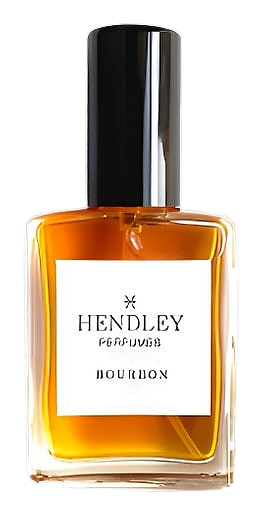
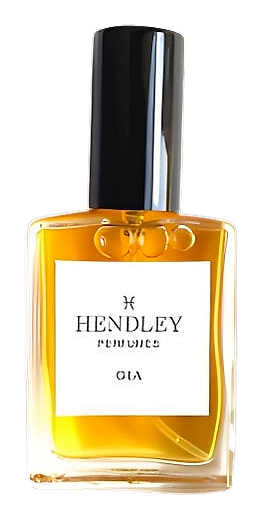
Hans Hendley released Gia in 2015, a fragrance that carries no explanation in its name, no geographic anchor, no story the wearer needs to decode. It arrives the way the scent does: with presence already assumed. Gia turns toward powder and warmth, a different kind of luxury built from the inside out. There is something quiet about it, an understatement that reads as confidence rather than restraint, the kind of composition that earns attention by refusing to demand it. The powder here is not nostalgic or heavy. It settles into the skin like a second layer, warm and soft, carrying the composition through its hours without ever announcing itself.
What makes Gia stand apart from the standard powder playbook is the orris root and opoponax combination anchoring the heart. Orris root, the rhizome of the iris flower, dried and processed for years before it yields anything worth using, carries a powdery, almost medicinal violet note that differs fundamentally from the skin-scent softness of musk or the warm cookie quality of tonka. Opoponax, a resin with a warm, balsamic sweetness, adds a resinous depth that prevents the composition from reading as merely delicate. Together with bourbon vanilla and ambrette seed, these materials create a powder-warmth that doesn't announce itself immediately. The opening is all clean ginger heat. The opulence comes later.
The evolution
The first thirty minutes belong to ginger, clean and bright, almost sharp enough to make you check whether you grabbed the right bottle. Beneath it, clove adds a warmth that prickles against the skin without overwhelming. Then the handoff: ginger recedes, and the powder notes rise. Ambrette seed and orris root create a soft, powdery mid-section that arrives quietly but doesn't leave. The vanilla follows, not as a dessert note but as warmth, the warmth of a room where someone just left, the fabric still holding heat. Cedarwood settles into the base, dry and woody, giving the composition somewhere to land. The musk holds everything together through the long drydown. What remains the next morning is a faint warmth at the pulse points, vanilla, powder, and cedarwood, the skeleton of something sumptuous.
Cultural impact
Gia entered a niche fragrance landscape that offered either ultra-transparent citrus waters or heavy-handed oud compositions. Its powder-forward warmth with an oriental drydown offered something different: theatrical without being performative, sumptuous without being opulent in the expected way. For those tracking independent perfume houses and their expanding place in contemporary fragrance culture, Gia represented a different kind of proposition. It spoke to a growing appetite for compositions with a visible hand behind them, the kind of work where intention shows.