The Story
Why it exists.
The beginning
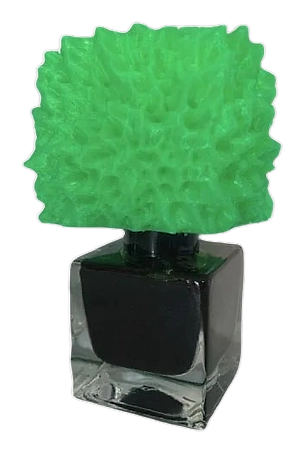
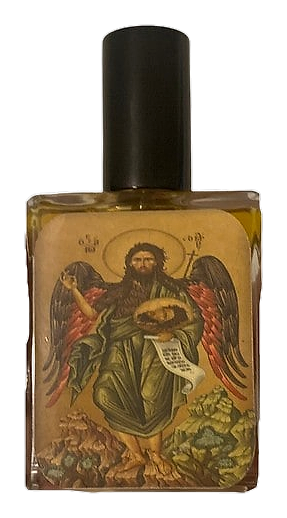
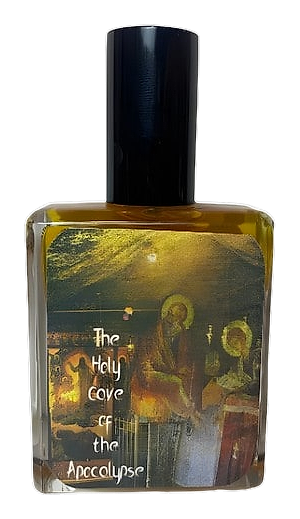
The cave on Patmos is one of those places that sounds like a metaphor until you stand in it. That's where St. John the Theologian received visions and wrote the Book of Revelation, scholars have debated the exact location for centuries. Weston Adam didn't want to recreate history. He wanted to recreate the specific tension of that space, the way sacred and earthy collapse into each other when a place holds enough human attention for long enough. The Holy Cave of the Apocalypse is Phronema's attempt to translate that tension into a wearable composition, taking the mineral weight of ancient stone, the resonance of spaces shaped by devotion, and the particular quality of silence that gathers in places where something significant happened and making it something you can carry with you.
What makes this work is the frankincense blend. The composition layers black sacra and green hojari frankincense resin ground to a fine powder so the base rises like incense curling through air rather than sitting heavy on the skin. Around those two anchors, Weston Adam built a constellation from seven Boswellia species, Carterii, Frereana, Sacra, Papyrifera, Serrata, Neglecta, each contributing a different quality of smoke, sweetness, and resin. The result isn't a single incense note.
The evolution
The opening hits like walking into a church mid-service. Incense smoke dominates, sacred, resinous, almost medicinal in its clarity. Pine and galbanum cut through briefly, green and sharp, before the frankincense deepens into something earthier. The smoke settles and the cave reveals its floors: damp mineral, hay, a mineral note that reads almost like petrichor. This is where the composition shifts. The frankincense doesn't disappear, it continues underneath, but it's now answering to the warm materials arriving on top. Mysore sandalwood and styrax arrive together, creamy and balsamic, as vanilla softens the edges. Ambergris adds salt and animal warmth without going dirty. The hay note persists, grounding everything in something rural and ancient.
Cultural impact
Frankincense has anchored sacred ritual for millennia, burned in temples and sacred spaces across cultures. The Holy Cave of the Apocalypse translates this ancient aromatic language into wearable form, centering on Omani green frankincense and Black Frankincense as primary material rather than ambient note. These two varieties form the core of the composition, with the green frankincense providing brightness and the black adding depth and resinous weight. The fragrance doesn't try to recreate a specific historical ritual.