The Story
Why it exists.
The beginning
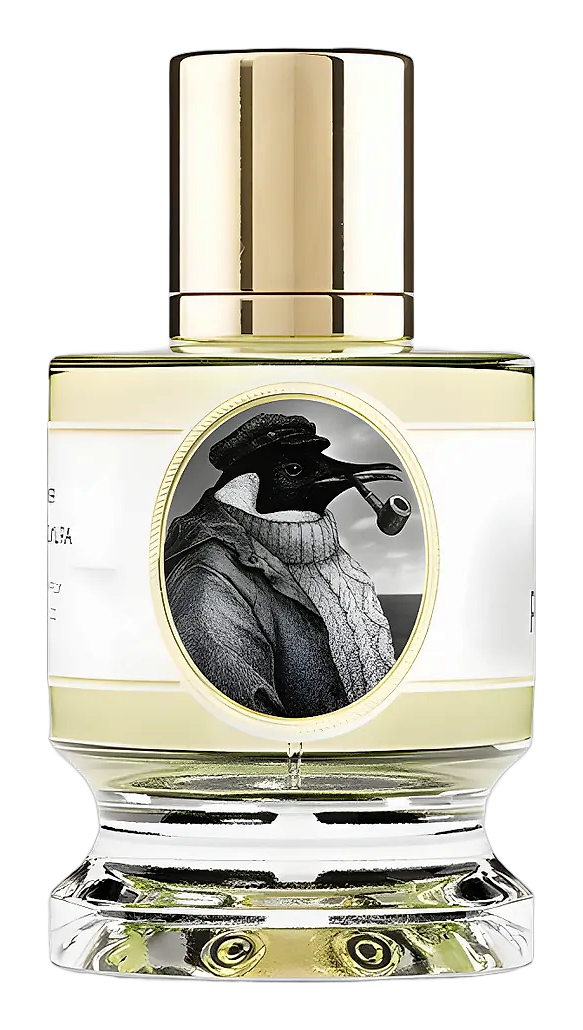
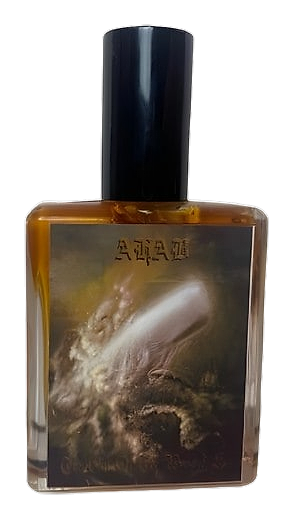
Weston Adam built Call of the Wretched Sea from a single image: Ahab's funeral doom metal record, the same name, the same inexorable pull. The sea in myth is never clean. It's the place where things sink, where voices travel farther than they should, where the darkness has weight. Adam wanted that weight in a bottle, not a beach vacation, not an aquatics counter stereotype. Something that actually smelled like the ocean at the edge of wanting you gone.
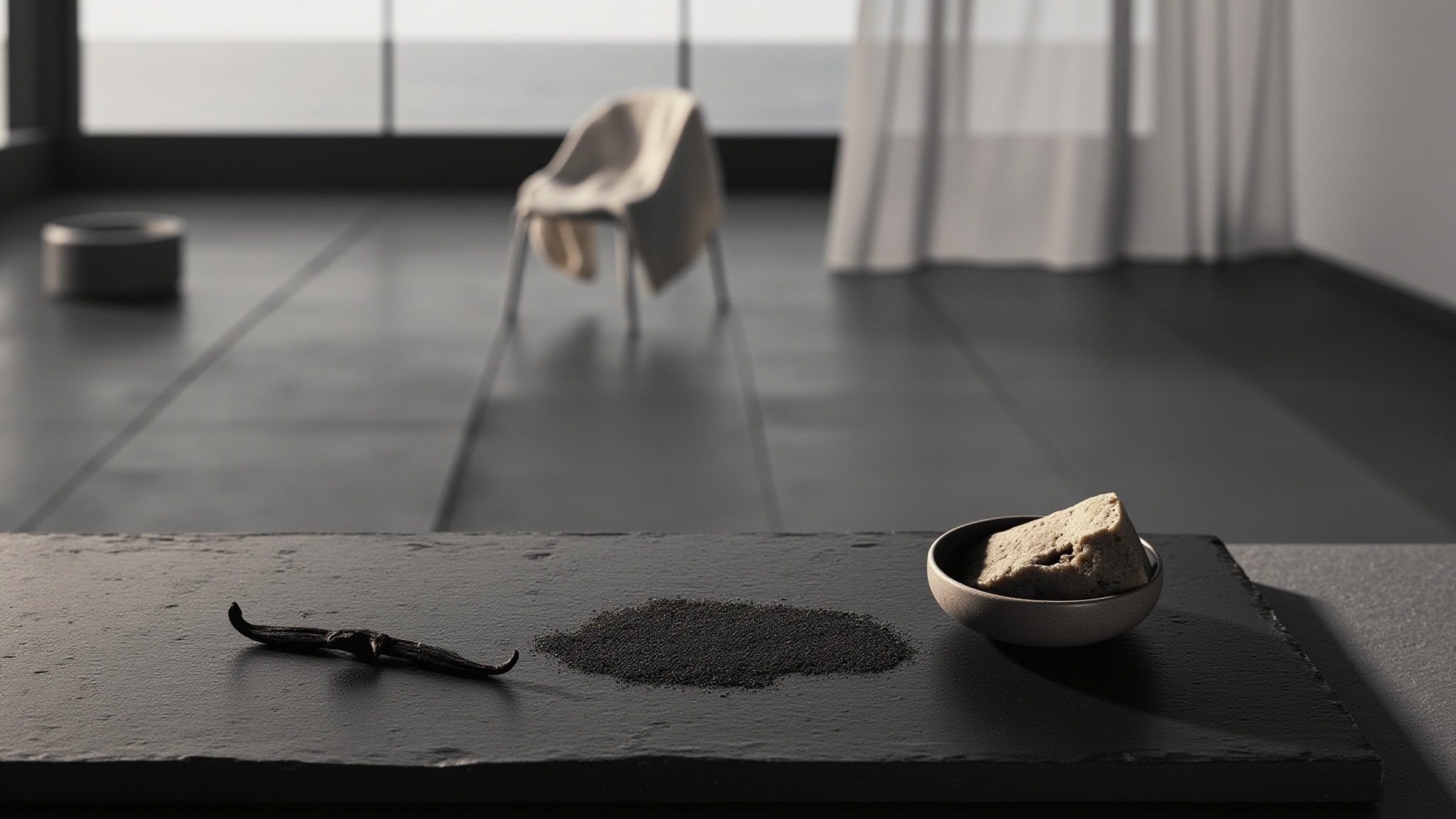
Ambergris is the heartbeat here. Not the sanitized marine accord that fills most aquatic fragrances, but the real thing, fecal, animalic, salt-bright and old. In nature, ambergris forms over decades as sperm whales process squid beaks. In perfumery, it's rare, regulated, and capable of making a composition smell like it came from somewhere no human has been. Myrrh adds the resinous counterweight: thick, smoky, tinged with sweetness that reads almost like honey left too long in the sun. Vanilla absolute doesn't sweeten this in a conventional way. It anchors. It warms. It gives the dark something to hold onto.
The evolution
The opening hits like salt water in the lungs, ambergris that doesn't apologize for what it is. Within minutes, the sharp oceanic edge softens as myrrh unfolds in slow, smoky waves. The transition isn't gradual. It's like the tide pulling back to reveal what's underneath. By the second hour, vanilla absolute takes over the skin's surface, warm and close, while myrrh continues its slow burn in the background. The drydown holds for hours: a quiet, resinous warmth that clings to fabric and skin alike. On some, it lasts past the full workday mark.
Cultural impact
Call of the Wretched Sea has found its audience among niche fragrance collectors who prize authenticity over trend. Its ambergris-forward composition stands apart from conventional aquatics, earning praise for its honest animalic character and the kind of mythic depth that makes wearers stop and ask what they're wearing.