
























Heritage
A house, in its own words
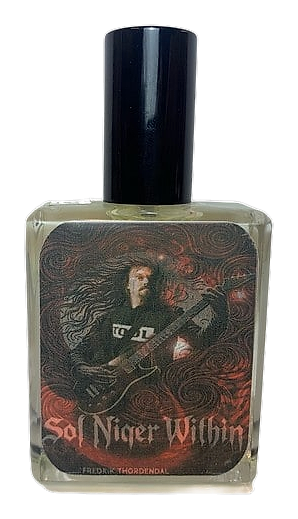
Weston Adam launched Phronema Perfumes after years of work as a visual artist and author. 2020 marks the first public release, when the label introduced its debut scent, Holy Prophet Elijah, a tribute to a biblical figure rendered in aromatic form. 2022 proved pivotal; the house issued Natural History, a unisex blend that earned attention on niche fragrance forums, and followed with Joe v. Wolf and Eucharisto, expanding its thematic range. 2023 saw the brand experiment with limited‑edition packaging, collaborating with local printmakers for custom labels. 2024 introduced Sol Niger Within, a darker composition that referenced solar eclipses, and the same year the house added Redoubt, a scent inspired by fortitude. 2025 brought a trio of releases under the Panagia's Garden series—Tuberose and Cubanola—each exploring floral and tropical motifs, and the emotive Waiting to Hold You, a fragrance that pairs soft musk with amber. Throughout its growth, Phronema has remained independent, avoiding large‑scale distribution in favor of direct‑to‑consumer sales through its website and select boutique partners. The label’s modest output—typically 150 to 300 bottles per launch—has cultivated a dedicated collector base that values the narrative depth and artisanal care behind each perfume. Phronema approaches scent as a storytelling medium. Weston Adam describes his work as an attempt to translate written myth into aromatic experience, letting each note act as a paragraph in a larger narrative. The brand values transparency; ingredient lists appear on every product page, and sourcing details are shared when possible. Sustainability informs decisions, from choosing responsibly harvested botanicals to using recyclable glass for its bottles. Rather than chasing trends, Phronema seeks to provoke contemplation, encouraging wearers to pause and consider the cultural or spiritual reference embedded in each fragrance. Community feedback shapes future releases, with the creator inviting open discussion on social platforms and adjusting formulations in response to thoughtful critique. This iterative, dialogue‑driven process reflects the house’s belief that perfume lives beyond the bottle, continuing to evolve in the mind of its audience.