Boswellia Papyrifera
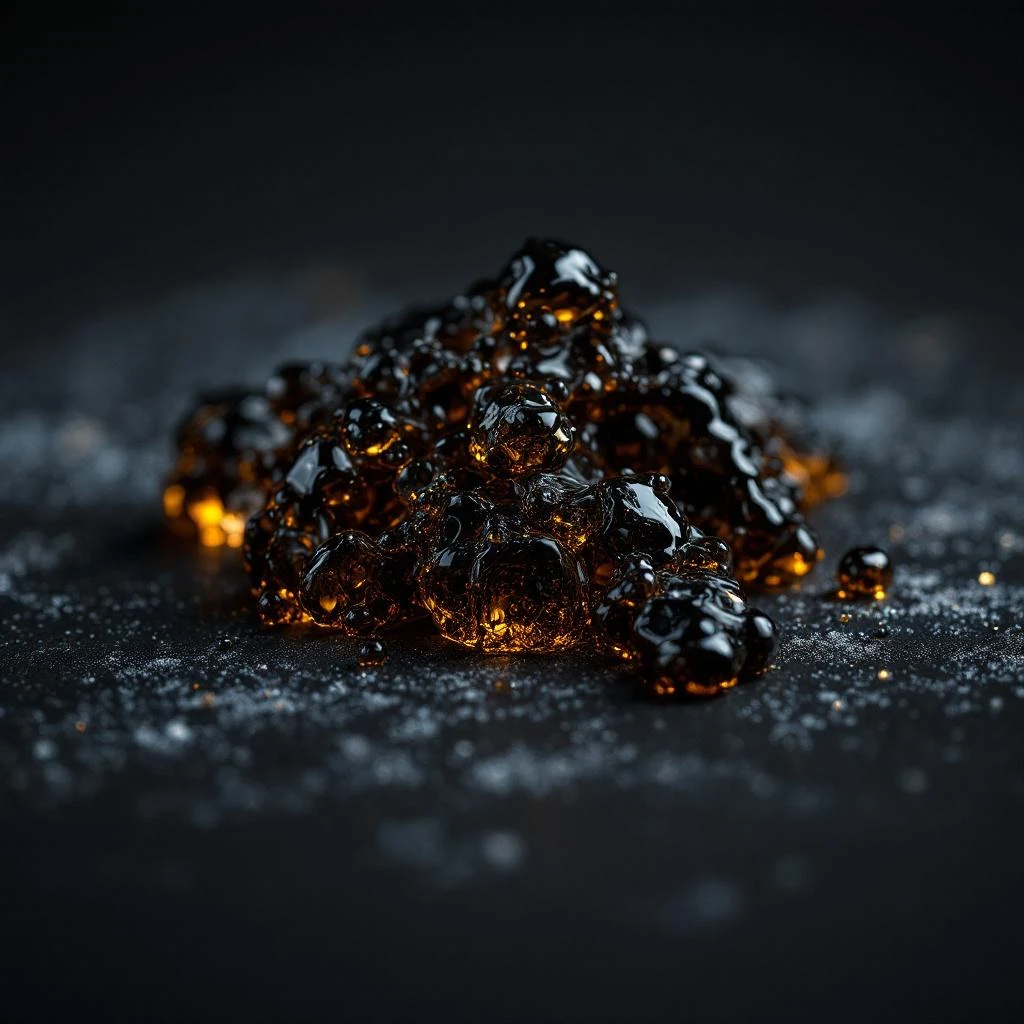
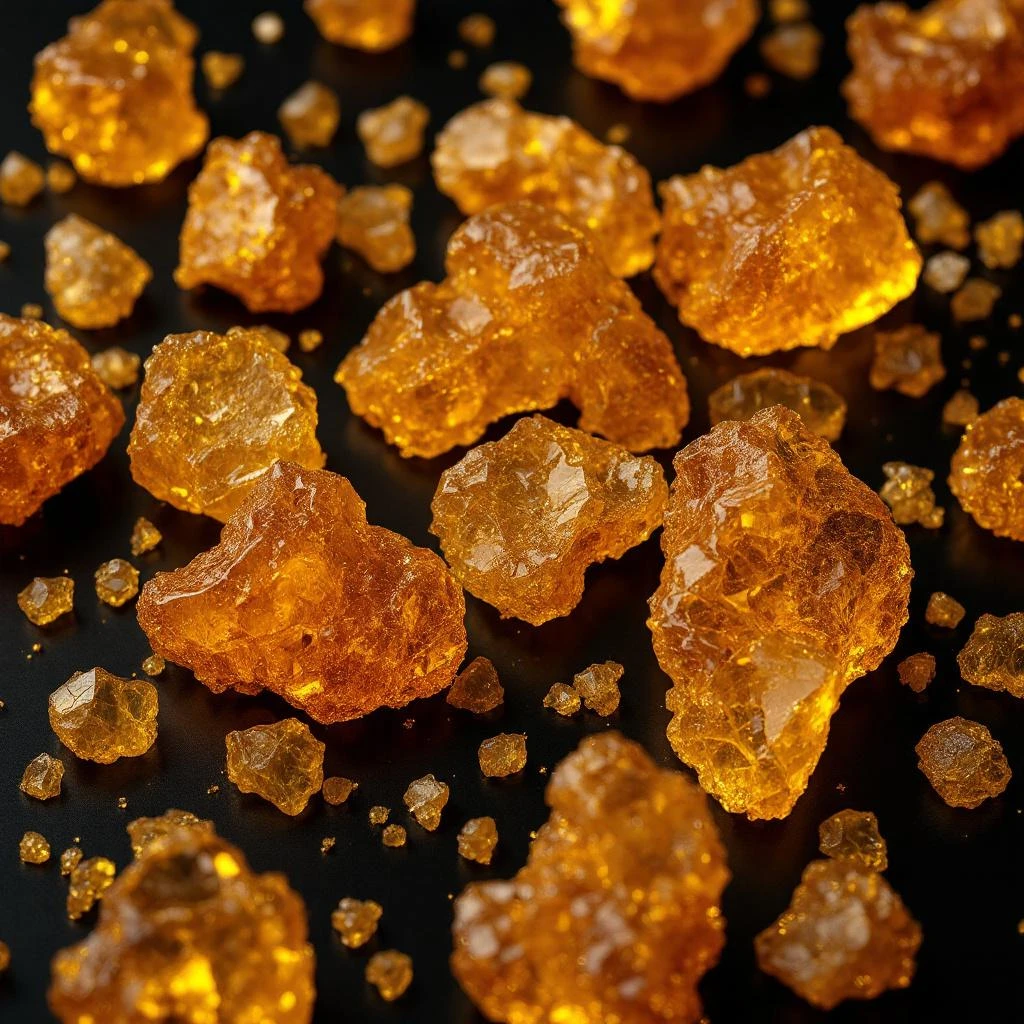
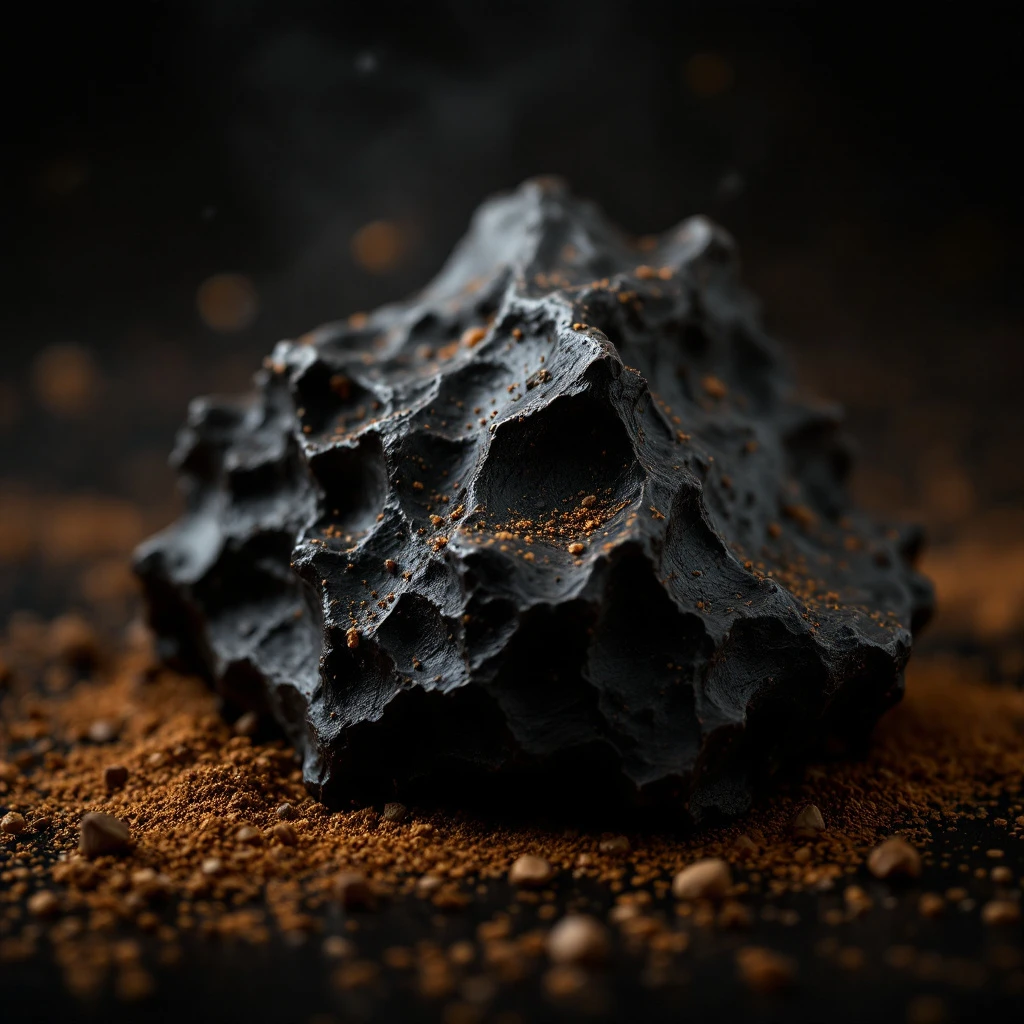
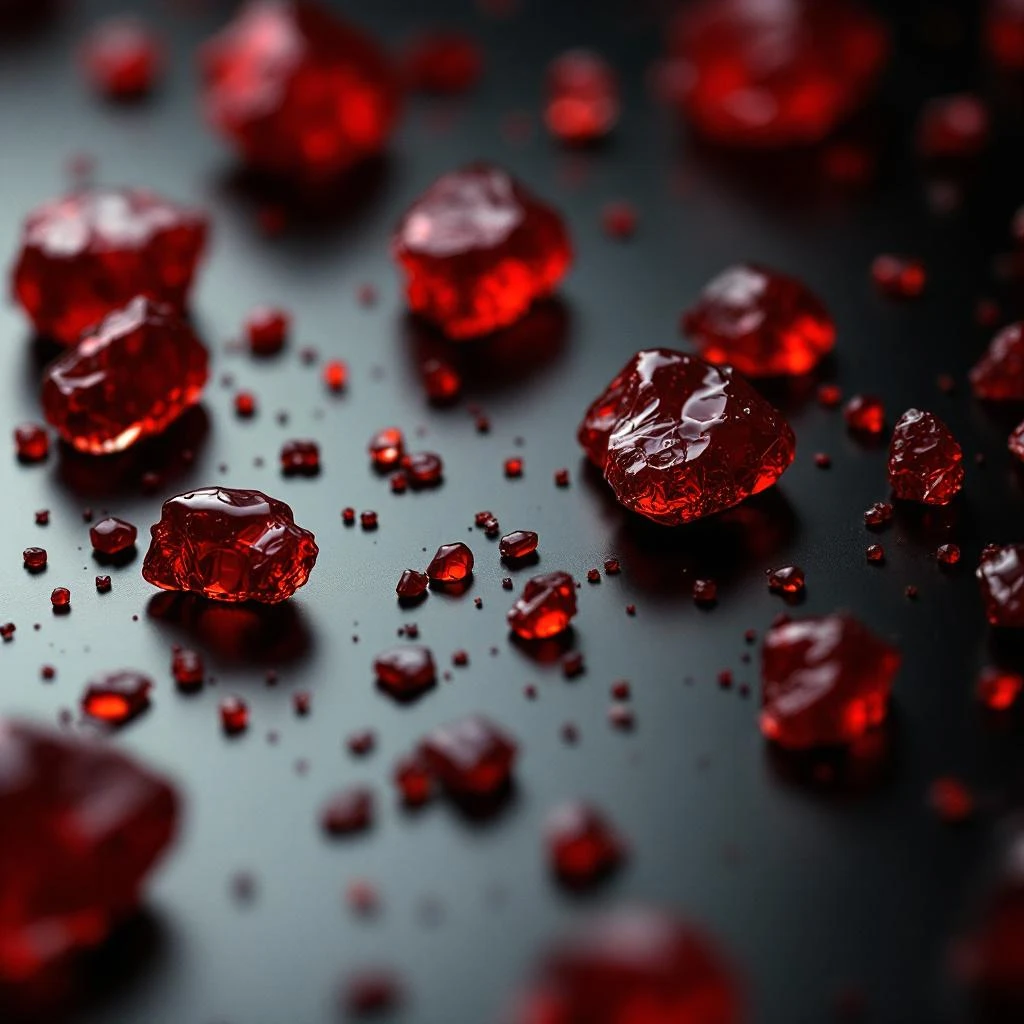
Boswellia papyrifera yields one of the most prized frankincense resins from the dry forests of Ethiopia, Eritrea, and Sudan. This ancient ingredient carries centuries of sacred tradition in its warm, balsamic character.
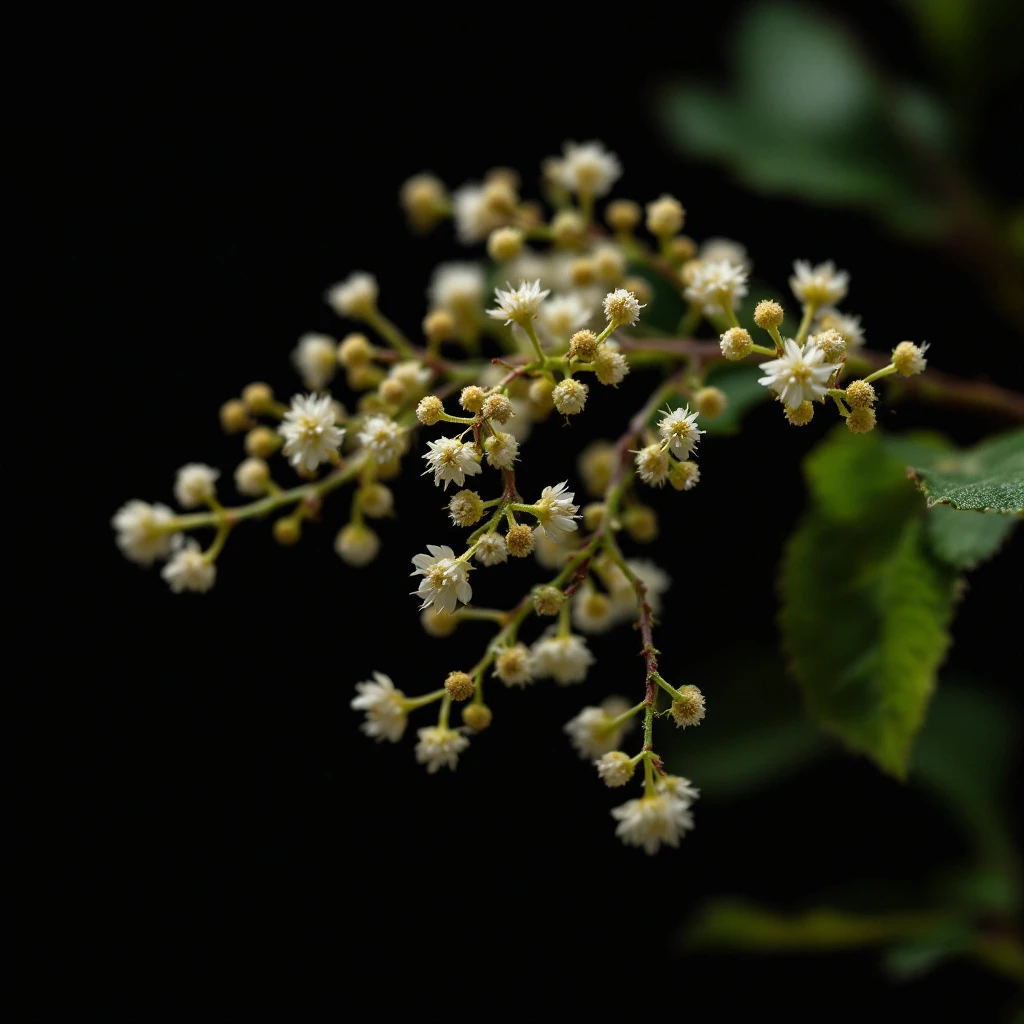
Character
How it smells
Ancient resin, sacred smoke, timeless elegance.
Boswellia papyrifera trees can live for over 500 years, continuing to produce fragrant resin throughout their long lifespan.


Origin
Ethiopia
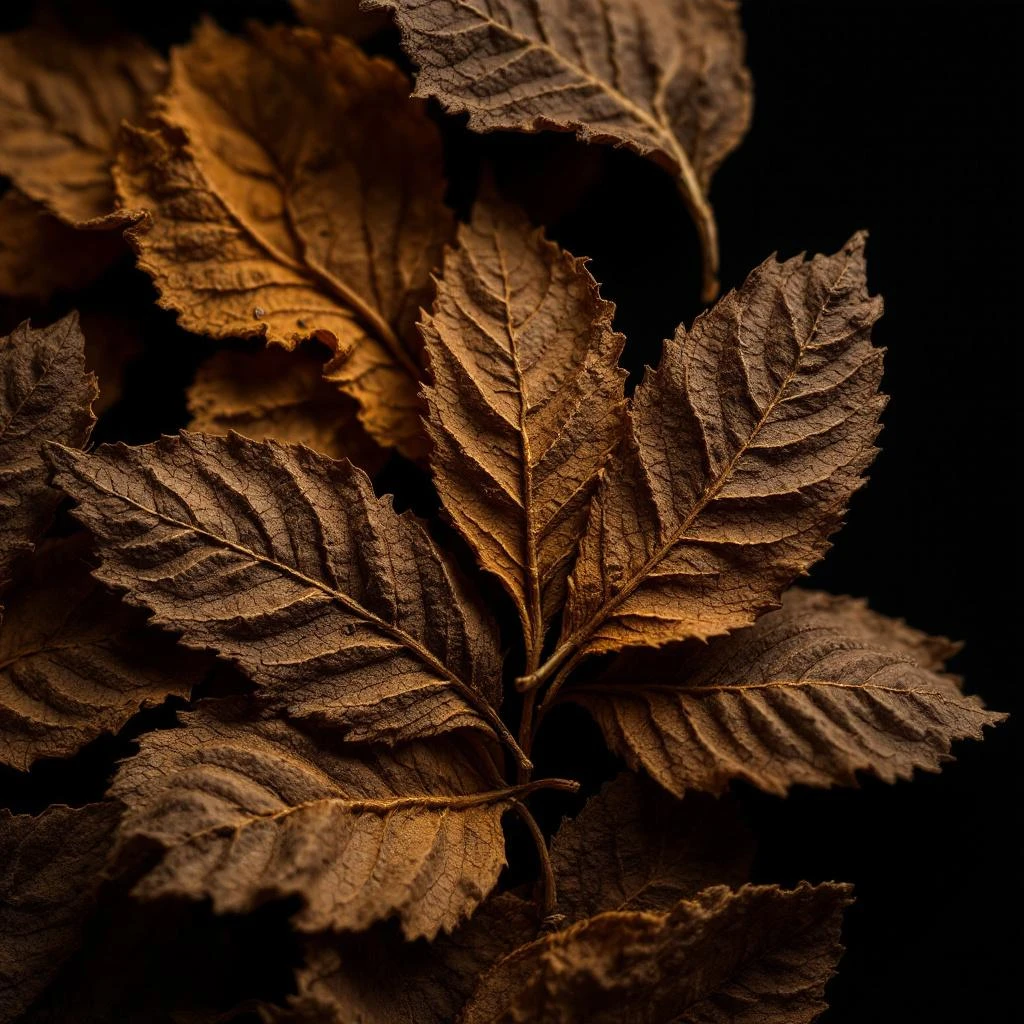
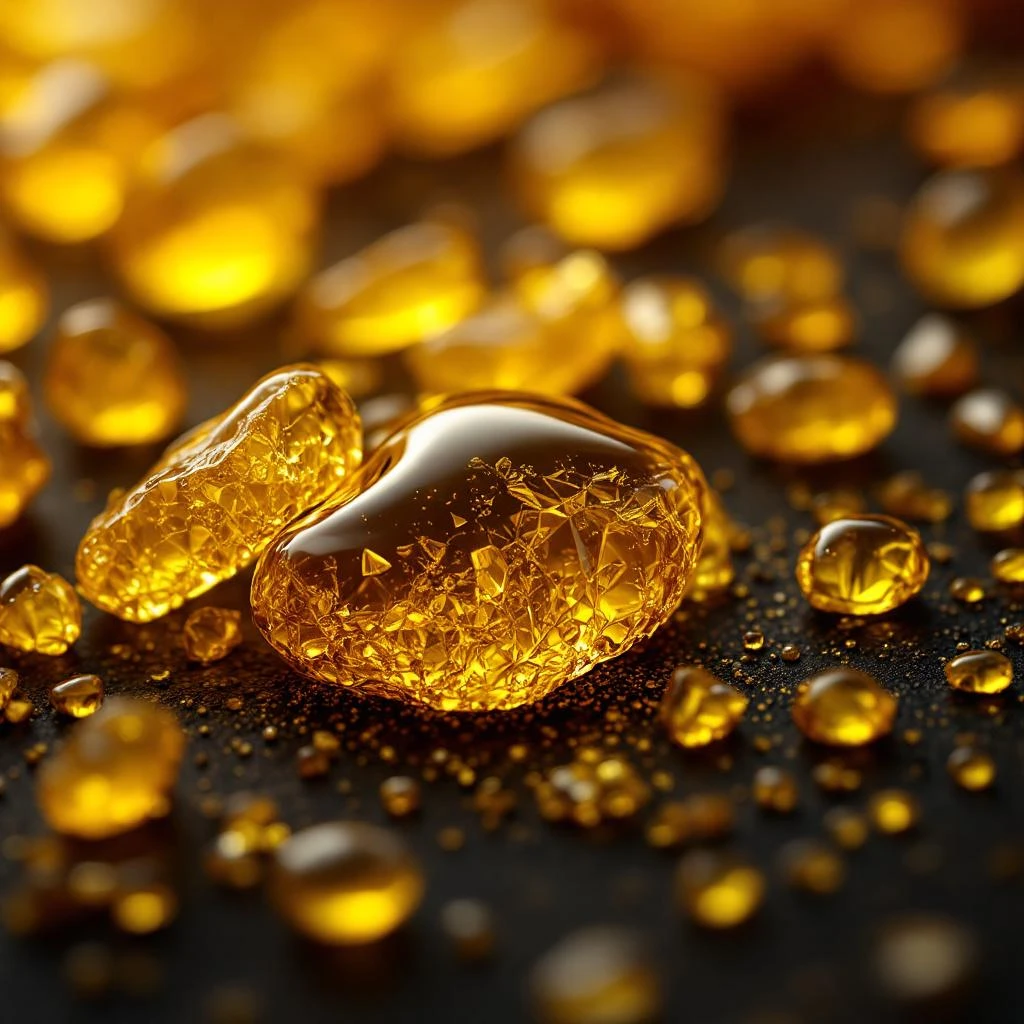
Boswellia papyrifera has grown in the dry lowland forests of Ethiopia, Eritrea, and Sudan for millennia. Local communities developed sophisticated tapping techniques generations ago, and these methods remain largely unchanged today. The resin held profound significance in ancient trade networks, traveling along routes that connected East Africa with Egypt, the Arabian Peninsula, and the Mediterranean world.
Archaeological evidence suggests frankincense use in Egyptian funerary rituals dating back 5,000 years, while texts from ancient Greece and Rome document its value as a luxury commodity. Religious traditions across Judaism, Christianity, and Islam reference frankincense as a sacred offering. The species earned its Latin name "papyrifera" for the papery bark that characterizes mature trees.
Today, Boswellia papyrifera remains ecologically and culturally significant, supporting rural livelihoods while providing a bridge between ancient aromatic traditions and modern perfumery.
Wears it best
Fragrances featuring Boswellia Papyrifera
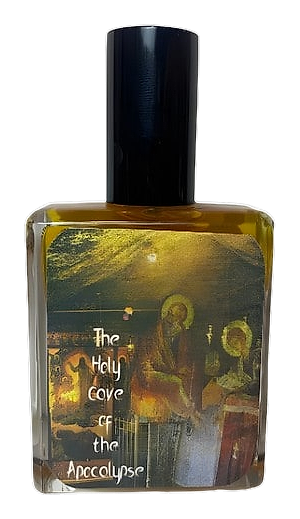
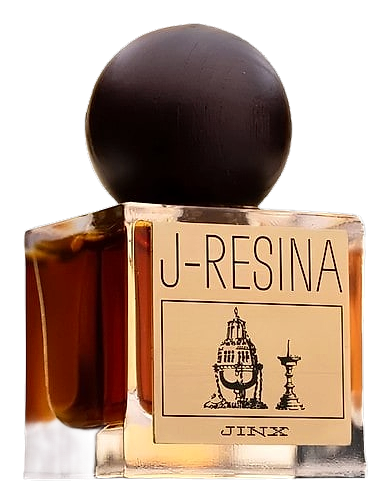
Brands
Brands known for Boswellia Papyrifera
Good to know
Questions, answered
The essentials on Boswellia Papyrifera in perfumery: how it smells, where it comes from, and how it behaves on skin.
What makes Boswellia papyrifera distinct from other frankincense species?
Boswellia papyrifera produces resin with notably high levels of alpha-pinene, giving it a pronounced pine-like freshness balanced by warm balsamic undertones. Its geographic origin in the Ethiopian highlands creates a distinct olfactory signature compared to Arabian or Indian frankincense.
How is Boswellia papyrifera resin harvested sustainably?
Skilled harvesters make careful incisions in the bark, allowing resin to weep naturally without damaging the tree's cambium layer. A single tree can be harvested for 15-20 years if done correctly. Multiple fragrance houses now partner directly with harvesting cooperatives to ensure long-term viability.
What aroma compounds define Boswellia papyrifera essential oil?
The oil contains alpha-pinene (often exceeding 50%), limonene, and various sesquiterpenes including incensole acetate. These compounds create the characteristic fresh-rosy top note over a deep, honeyed resinous base.
What role does Boswellia papyrifera play in perfumery?
Perfumery uses the oil primarily as a base note providing depth, warmth, and fixative properties. It works exceptionally well in oriental fragrances, woody compositions, and any perfume seeking an ethereal spiritual quality reminiscent of sacred smoke.
Is Boswellia papyrifera used in traditional medicine?
Yes. Traditional systems across Africa, China, and Indian Ayurveda have used frankincense resin for thousands of years. Modern research focuses on its anti-inflammatory properties, though perfumery applications remain entirely separate from therapeutic uses.
Why is Boswellia papyrifera considered threatened in some regions?
Over-tapping, habitat loss from agricultural expansion, and poor fire management threaten wild populations. The IUCN has flagged Boswellia papyrifera as vulnerable in parts of its range, making traceable sustainable sourcing critical.
What harvest season produces the highest quality Boswellia papyrifera resin?
The primary tapping season runs from November through April, coinciding with the dry season when resin flow is optimal and contamination risk is lowest. Peak quality resin typically appears in the first few tapping rounds.
How does Boswellia papyrifera compare economically to other frankincense species?
Boswellia papyrifera commands premium pricing due to its limited geographic distribution and strong demand from the fragrance industry. Ethiopian and Sudanese origins typically trade at higher values than frankincense from Yemen or Oman.