The Story
Why it exists.
The beginning
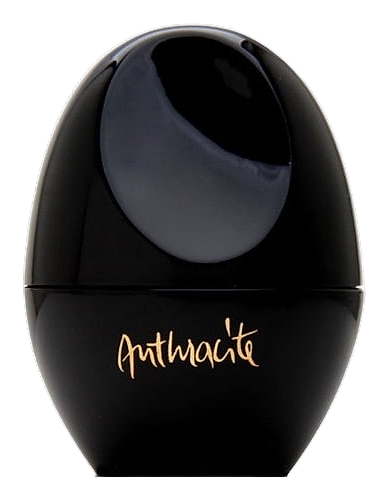
Anthracite takes its name from the mineral itself, dense, deep, burning slow. Released in 1990 by French house Jacomo, the fragrance reflects the house's quiet confidence: substance over spectacle, craftsmanship over noise. The scent opens with a green presence that feels intentional, almost structural, before turning lush as the florals emerge. There's an unusual patience to the way the fragrance unfolds, building from that initial green into warmth without fanfare. The name promised something mineral and enduring. The fragrance delivers something that still surprises, thirty-five years on, with a depth that rewards returning to it repeatedly, finding new facets each time you wear it.
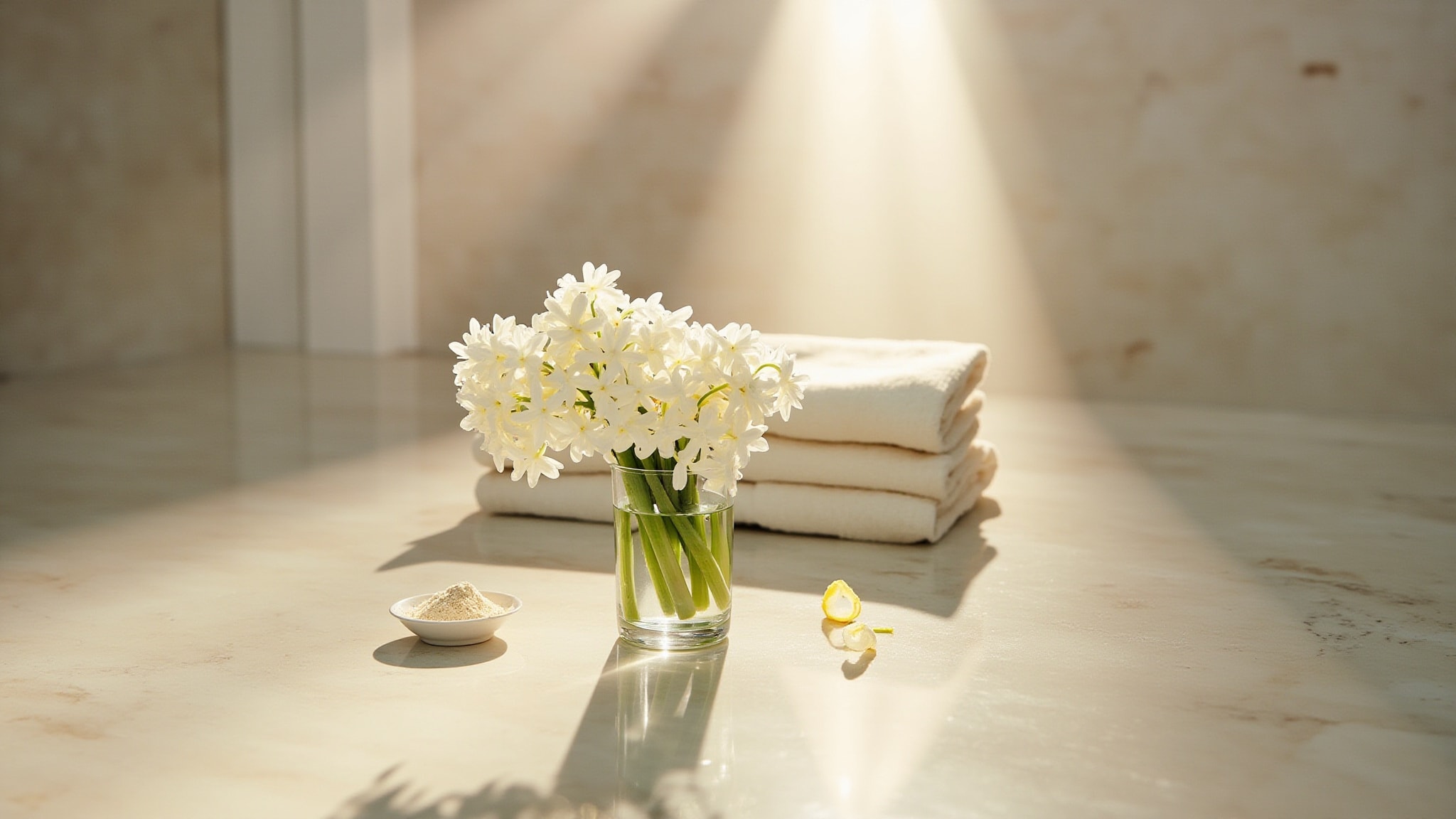
What makes Anthracite unusual is the hand-off from green to white floral, a transition most fragrances manage more gradually. Here, hyacinth arrives with intention, cutting through the citrus and basil with a sharpness that borders on astringent, like snapping a green stem. Then that green recedes and the heart takes over with sudden clarity: a dense cluster of tuberose, jasmine, and narcissus that reads almost waxy. The orris root and violet powder the florals without softening them. It's a composition that asks something of the wearer, that first green act isn't decoration, it's the point.
The evolution
The opening announces itself clearly: hyacinth dominates, green and slightly animalic, with bergamot and lemon providing a citrus brightness that keeps the top from becoming too heavy. Basil adds an herbal counterpoint, aromatic, not sweet. The heart arrives thick and immediate once the green phase passes: tuberose leads, jasmine follows, with narcissus adding a subtle green undertone that keeps the florals from reading as purely sweet. Lily of the valley and violet introduce a powdery quality that bridges into the base. The drydown establishes itself with amber and vanilla warmth against cedar's dry wood, with heliotrope adding a final powdery blur. Benzoin and vetiver anchor everything close to the skin, keeping the composition intimate rather than projecting. The composition unfolds across hours, with the powdery drydown lingering as the final act, intimate and close.
Cultural impact
Anthracite arrived in 1990 with a different position than many of its contemporaries: lush white florals contained within a structure that stayed close, that rewarded the wearer more than the room. The fragrance embodies restraint, a quality that reads distinctly today. Its design asks something of the wearer, prioritizing intimacy and depth over projection. The way it unfolds across time, moving from that sharp green opening through dense florals to a powdery, warm drydown, suggests a confidence in restraint that feels increasingly relevant.