The Story
Why it exists.
The beginning
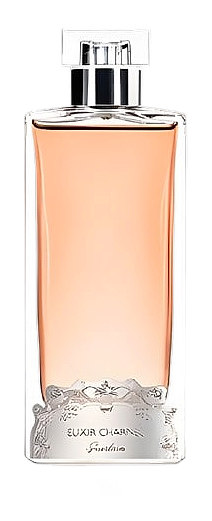
Floral Romantique arrived in June 2011 as the fifth entry in Guerlain's Les Élixirs Charnels collection, a line built around celebrating facets of female sensuality. Thierry Wasser composed it, and the name does the heavy lifting: this is the romantic face of the charnel, the soft-turn in a collection that also has gourmand and chypre siblings. Wasser built it around a woody-floral spine, opening with bright citrus and herbal green before settling into a floral heart and a base that leans into smoke, resin, and the warmth of roasted chestnut.
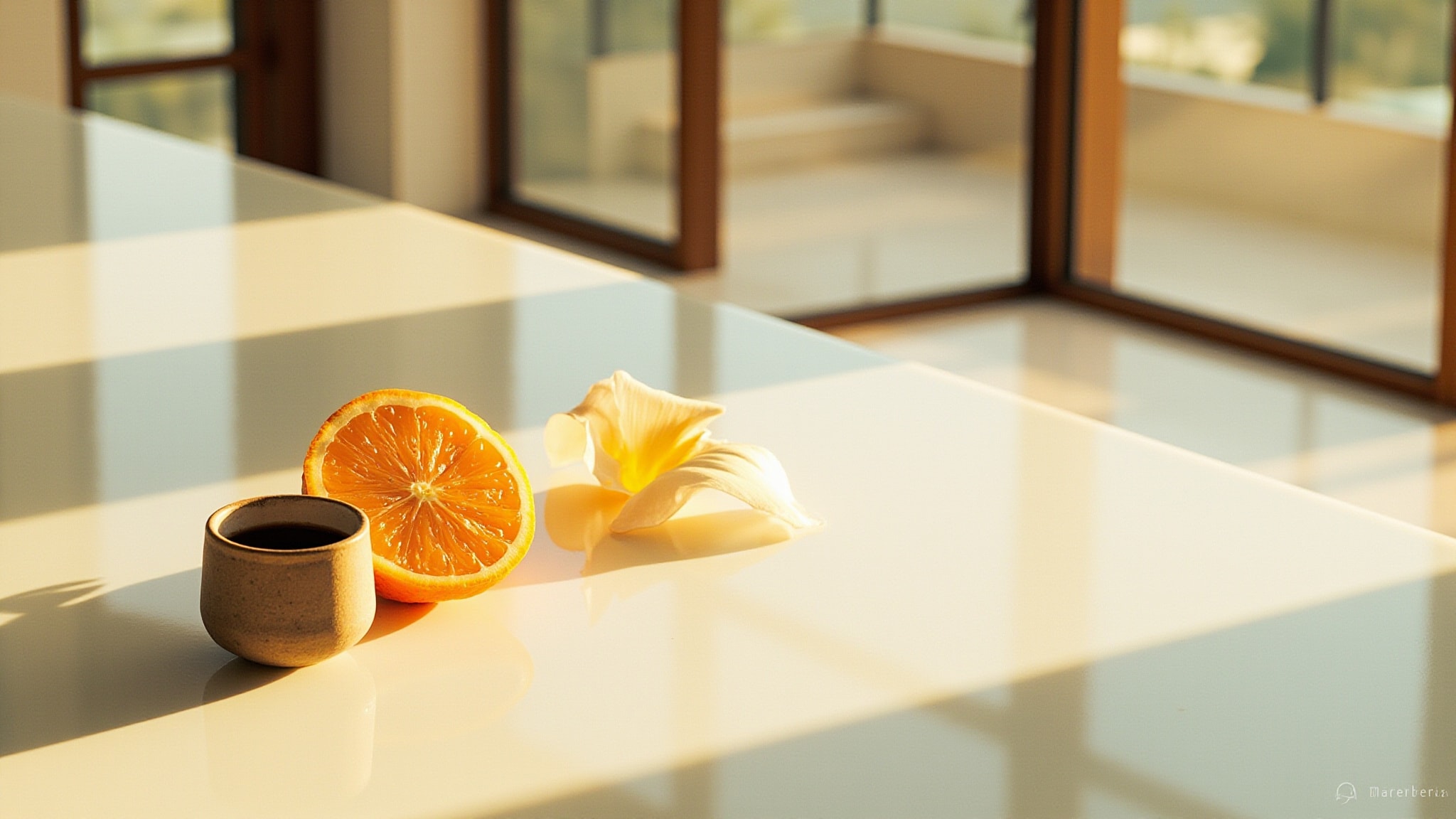
What sets the composition apart is the tension between its airy white-floral heart and its grounded, almost savory base. The tiare flower, jasmine, ylang-ylang, and lily give it that sunlit, just-stepped-out-of-the-shower quality, while smoked tea, benzoin, and Castanea sativa pull the drydown toward something toasted and resinous. It's a floral that knows how to land, not float away.
The evolution
The first thirty minutes are all lift: mandarin and petitgrain cut through, and mate adds a slightly grassy, brewed-tea haze. The ambrette seed sits underneath, offering a clean, musky warmth before the florals even arrive. Around the forty-minute mark, the white florals take over, and they don't tiptoe. Ylang-ylang brings a creamy indolic warmth, tiare adds its coconut-edged creaminess, and jasmine threads through everything with a slightly dirty, almost animalic sweetness. Carnation adds a spiced, clove-like flicker at the edges, while lily lightens the whole arrangement so it never goes too heavy. By the third hour, the smoked tea starts to surface, and the composition shifts register. The benzoin comes forward, the chestnut note adds a sweet, woody warmth, and cedar keeps things from going gourmand.
Cultural impact
As the fifth entry in the Elixirs Charnels collection, Floral Romantique occupies a specific niche within Guerlain's modern lineup. It's the floral in the series that refuses to behave like a sheer floral, anchoring its white petals against a smoked-tea base that gives the composition a grounded, almost contemplative weight. The fragrance offers romance without sentimentality, softness without fragility, and finds its character in the contrast between sunlit florals and toasted, resinous drydown notes.
The House
GuerlainGuerlain stands as one of the oldest and most revered perfume houses in the world, founded in Paris in 1828 by Pierre-François-Pascal Guerlain. What began as a boutique on rue de Rivoli quickly became the preferred destination for Parisian society, attracting dandies and elegant women who sought custom-crafted fragrances. The house's influence grew to such heights that Guerlain earned the title of Official Perfumer to Napoleon III after presenting Eau de Cologne Impériale to Empress Eugénie as a wedding gift in 1853. This royal patronage marked the beginning of Guerlain's enduring association with European aristocracy, as the house went on to create fragrances for Queen Victoria and Queen Isabella II of Spain. Today, under the creative direction of Thierry Wasser, the fifth-generation perfumer, Guerlain continues to shape the landscape of fine fragrance with a portfolio spanning over 1,100 olfactory creations. The house remains headquartered at its legendary Champs-Élysées mansion, a historic monument that anchors Guerlain's position at the intersection of heritage and contemporary luxury.
The Creator
Thierry WasserWasser gravitates toward green, crispy notes and the bold florals Guerlain is known for. Bulgarian rose appears repeatedly in his work, and he travels annually to oversee the harvest in Kazanlak.