Castanea Sativa
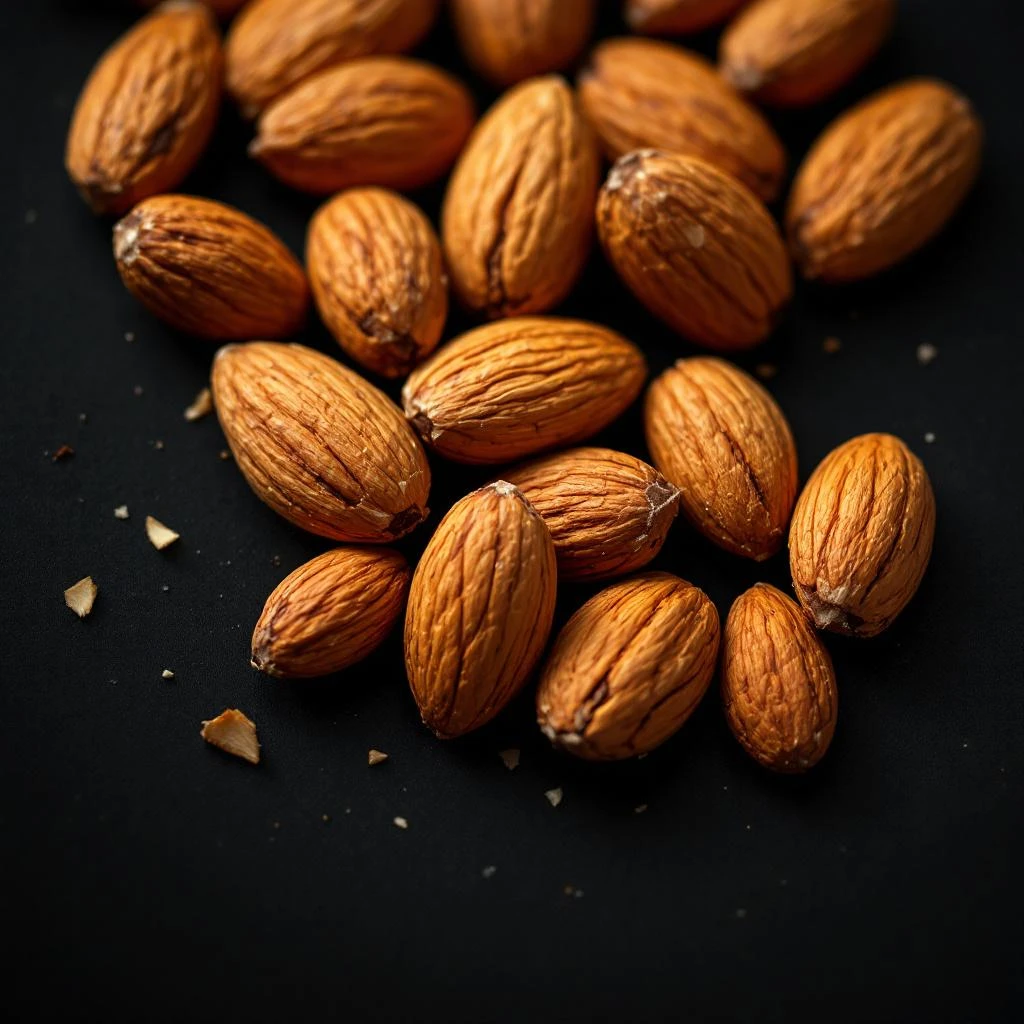
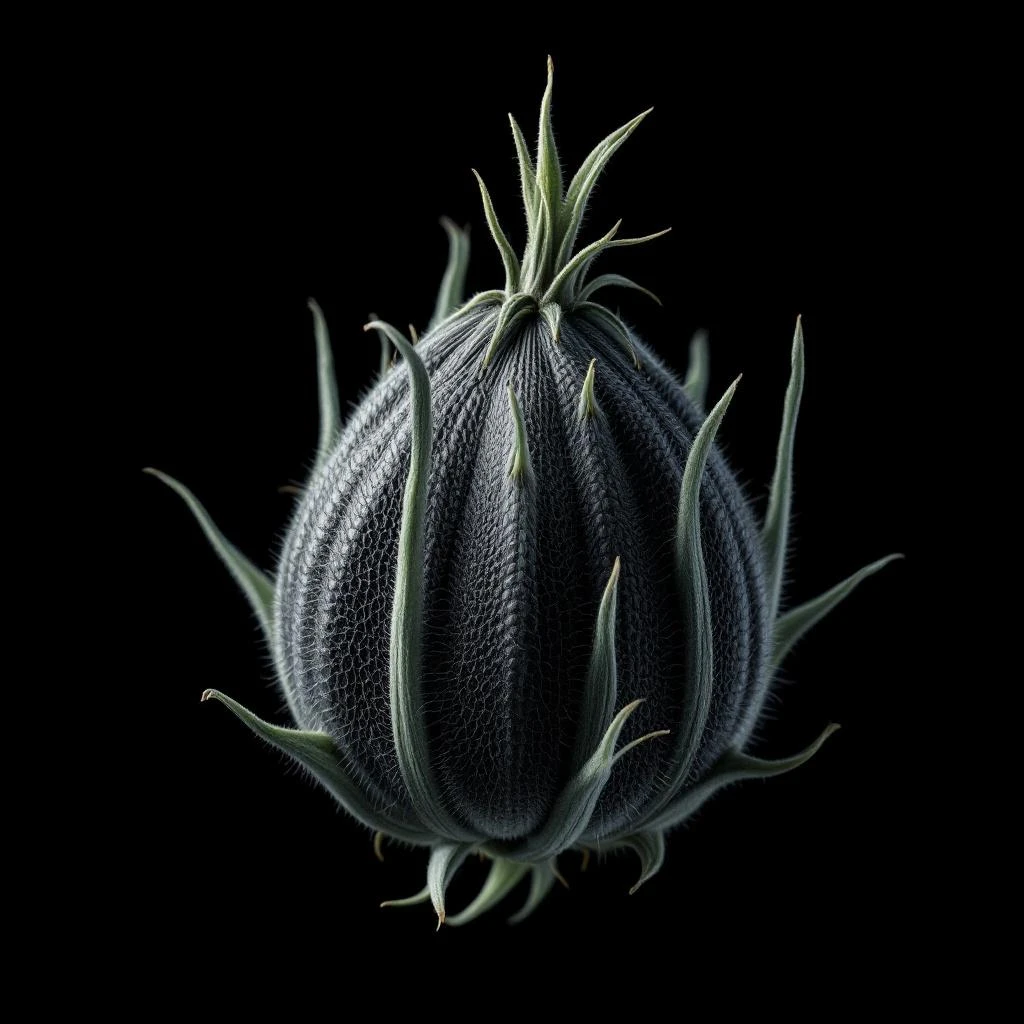
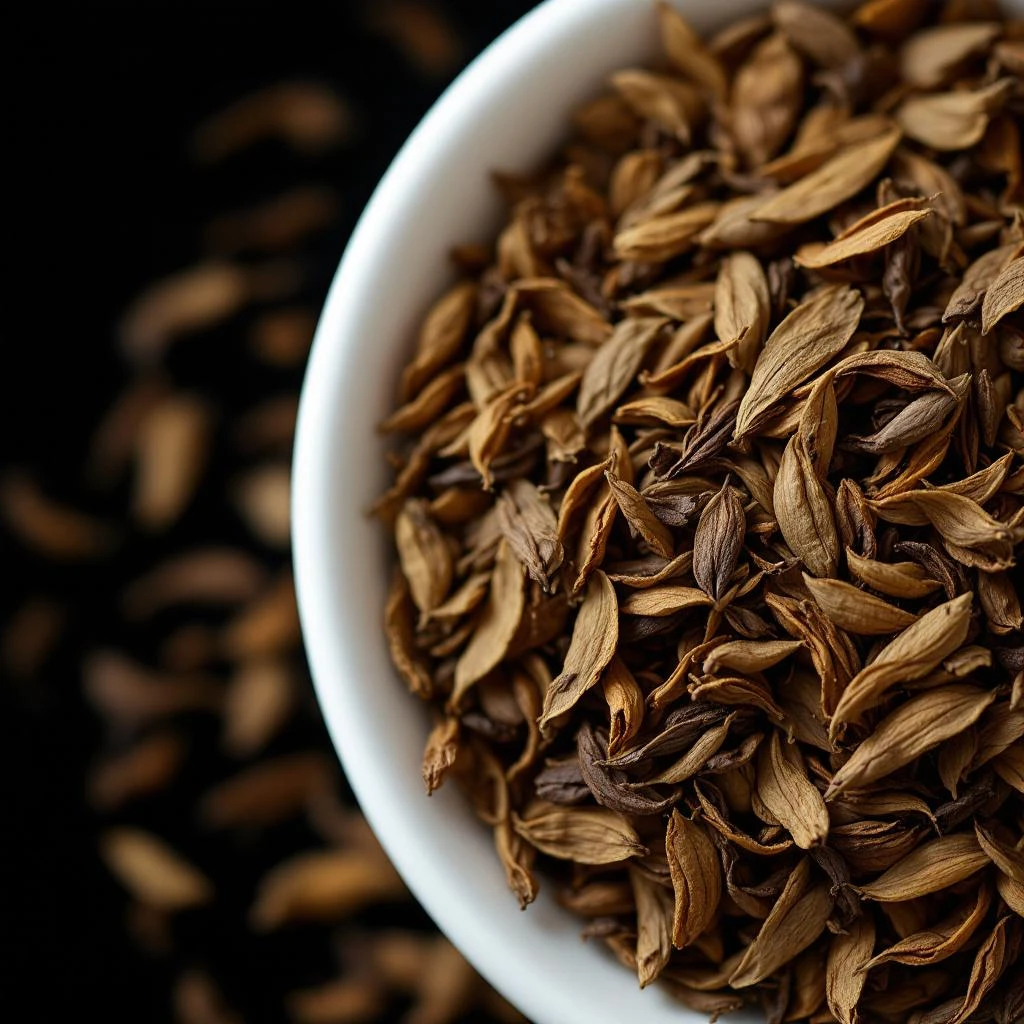
Castanea sativa brings the warm, roasted soul of Mediterranean forests to perfumery. This sweet chestnut absolute captures toasted nuttiness and earthy depth rarely found in nature.
Character
How it smells
The roasted heart of the Mediterranean oak.
One mature sweet chestnut tree can produce up to 100 kg of nuts in a single harvest season.


Origin
Italy
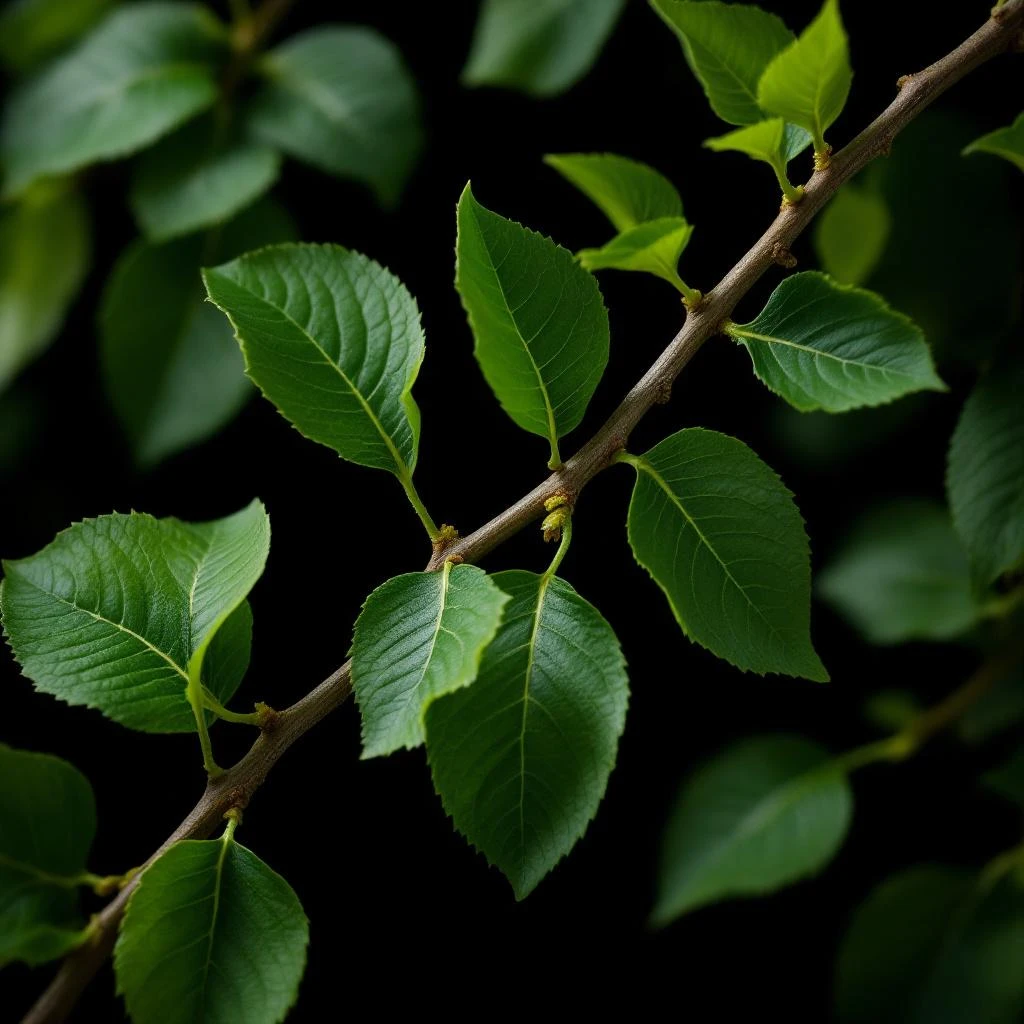
The sweet chestnut has grown across the Mediterranean for thousands of years, reaching Western Europe through ancient Greek and Roman cultivation. The Romans called it the "bread tree" because roasted chestnuts served as a staple food across Southern Europe.
This nutritional prominence meant the tree held agricultural and cultural importance long before perfumers discovered its aromatic potential. Traditional medicine in Italy and France used chestnut honey and roasted nuts for their warming, fortifying properties.
In perfumery, the use of chestnut absolute is relatively modern, emerging as creators sought to expand the palette of natural food-related notes beyond vanilla and tonka. The ingredient now appears in niche fragrances that aim to evoke autumn markets, forest floors, and rustic warmth.
Wears it best
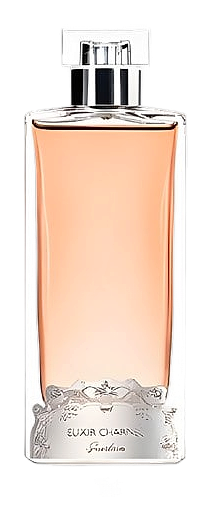
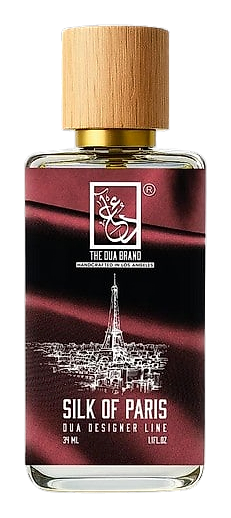
Fragrances featuring Castanea Sativa
Brands
Brands known for Castanea Sativa
Good to know
Questions, answered
The essentials on Castanea Sativa in perfumery: how it smells, where it comes from, and how it behaves on skin.
What does Castanea sativa smell like?
Castanea sativa absolute has a warm, toasted nutty scent with roasted, slightly sweet and subtly resinous undertones. It evokes the smell of chestnuts warming over an open fire.
Is Castanea sativa used in men or women's fragrances?
It appears inunisex and gender-neutral fragrances more often than gendered ones. The warm, edible quality suits autumn and winter seasonal perfumes regardless of target demographic.
Is Castanea sativa a natural or synthetic ingredient?
Castanea sativa is a natural ingredient obtained from the nuts of the sweet chestnut tree. Synthetic alternatives replicating its nutty aroma profile also exist for cost and consistency reasons.
What fragrances feature Castanea sativa as a prominent note?
It appears most often in autumn and winter niche fragrances with gourmand or woody compositions. Check individual fragrance listings for specific concentration levels, as the note is rarely listed on packaging.
What blends well with Castanea sativa?
It pairs naturally with woody notes like cedar and sandalwood, warm resins such as benzoin and styrax, and other edible notes including tonka and heliotrope.
How is Castanea sativa harvested for perfumery?
Chestnuts are harvested in autumn when they naturally fall from the tree. Only fully ripened, undamaged nuts are selected for extraction to ensure aromatic quality.
Is Castanea sativa safe for skin application?
When properly diluted in a fragrance formulation, Castanea sativa absolute is considered safe for topical use. Always follow IFRA guidelines and dilutions provided by your fragrance manufacturer.