
The Story
Why it exists.
The beginning
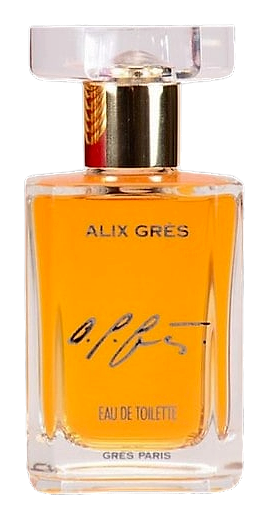
Alix takes its name from Madame Alix Barton Grès, the founder of the house that bears her married name. The fragrance was released into a market shaped by green chypres, compositions built on bitter-green top notes, earthy mossy bases, and patchouli-rich underbellies. Alix was conceived as a floral chypre for women, and it commits fully to the structural backbone of the genre rather than softening the edges. The galbanum is unusually prominent, lending a sharp, almost metallic bitterness to the opening that cuts through any sweetness the florals might offer. That crisp, vegetal intensity gives the composition a bracing, no-apologies personality, the kind of chypre that wears its bitterness openly and asks you to meet it on its own terms.
What makes Alix structurally interesting is the weight given to galbanum in the opening and middle phases. Alix holds onto its galbanum longer than you might expect, letting the resinous, almost rubbery quality of the ingredient ride alongside the aldehydes and bergamot before the floral heart settles in. The galbanum doesn't just flash and disappear; it persists, threading its bitter-green character through every phase of the wear.
The evolution
The first ten minutes are dominated by aldehydes, that vintage soapy sparkle, layered over bergamot and a massive dose of galbanum. The galbanum reads almost metallic, like the smell of cut stems and bitter leaves crushed between fingers. There's a green, almost vegetal sharpness to the opening that announces the composition's intentions immediately. Around the twenty-minute mark, the florals begin to surface, peachy and soft, but the galbanum never fully retreats. It stays as a bitter green thread woven through the heart for the next several hours, a persistent counterweight to anything sweet or powdery. By the three-hour mark, the composition has settled into its true chypre character: oakmoss and patchouli form a damp, earthy foundation, labdanum adds a warm resinous glow, and the sandalwood and cedar give it a polished, woody finish.
Cultural impact
Alix sits in a curious place: too short-lived to have mainstream recognition, too distinctive to be forgotten by collectors. It's a fragrance that rewards people seeking the mossy, bitter, forest-floor character of the chypre genre in its fullest expression. For wearers who want oakmoss and galbanum at structural strength rather than as background texture, Alix delivers without compromise. It doesn't soften its edges to court a wider audience, and that refusal to compromise is exactly what gives it lasting appeal among those who track down a bottle.