The Story
Why it exists.
The beginning
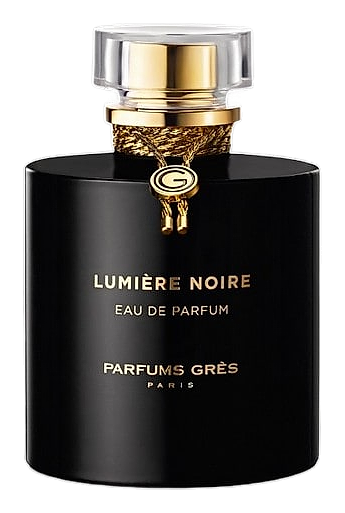
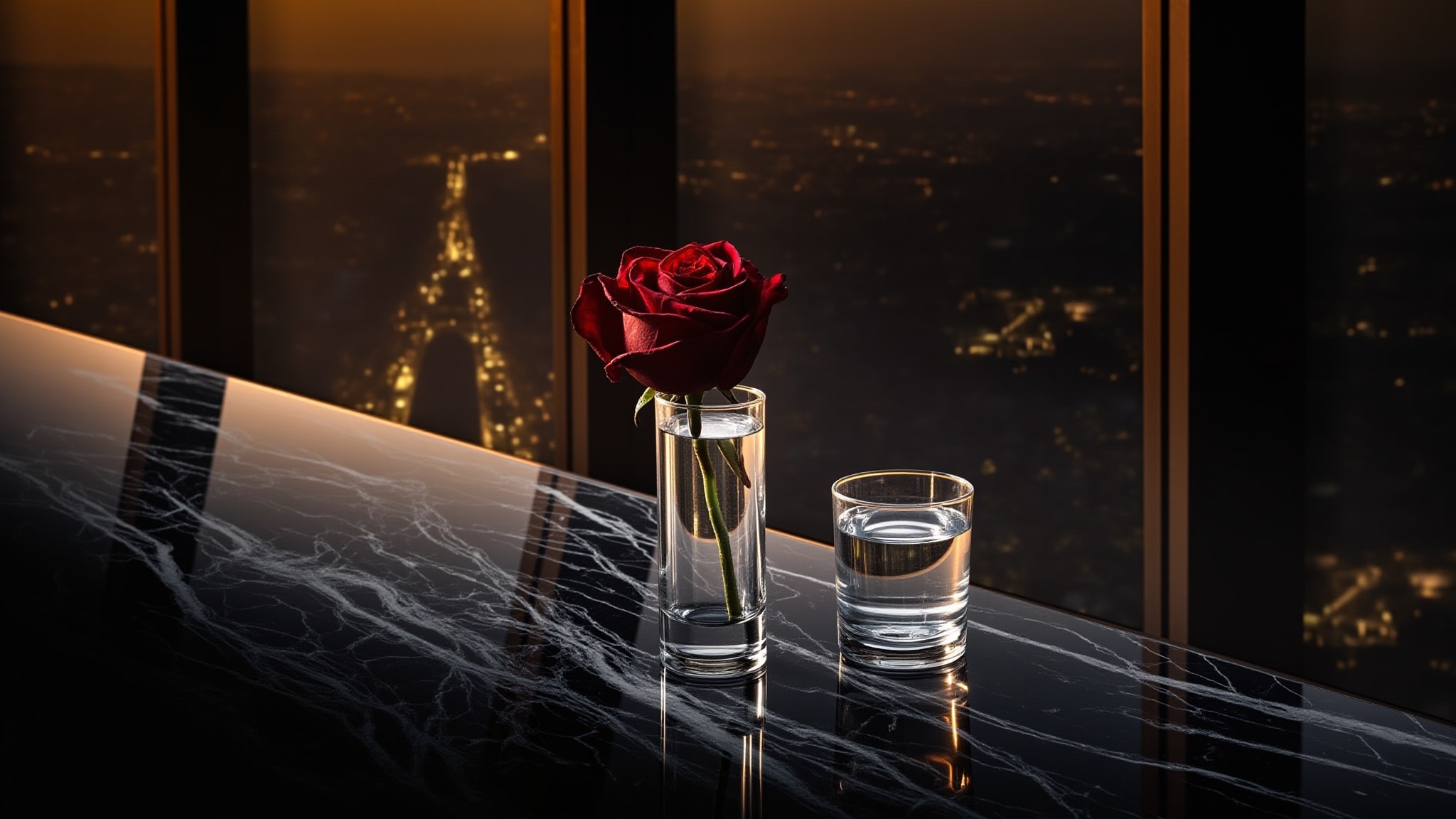
The name says it all: Lumière Noire. Black Light. Not darkness as absence, but darkness as a different kind of illumination, the city seen from a window at 3 AM, lit only by what it holds inside. The research describes it as a tribute to the nights of Paris, both summer and winter, and that duality lives in the scent itself. Philippe Romano built this around the idea of contrast, bright citrus that doesn't stay bright, a rose that deepens instead of fading, patchouli that doesn't announce itself but changes everything it touches. This isn't a perfume about light. It's about what light looks like when it's been filtered through a city that never fully sleeps.
What makes Lumière Noire interesting isn't any single note, it's how the structure refuses to stay in one place. The citrus opening (bergamot, grapefruit, orange blossom) reads fresh and floral for the first twenty minutes, almost safe. Then the patchouli enters. Not the patchouli of the 1970s, not the dirty hippy stereotype, this is Indonesian patchouli, cleaner, earthier, the smell of soil after rain rather than headshop incense. It folds under the rose and suddenly the composition has weight. The cyclamen adds a green, almost aquatic quality that keeps the rose from going syrupy. By the time the amber-vanilla-musk base arrives, you've worn three different perfumes and somehow they're all the same one.
The evolution
Opening: bergamot and grapefruit arrive crisp, almost sharp. The orange blossom softens them immediately, but there's an alertness here, this is morning alertness, not evening ease. Thirty minutes in, the citrus recedes and the rose pushes forward, but it's not alone. The patchouli is already there, underneath, doing the work that keeps the rose from being precious. Two hours: the heart settles. The cyclamen fades. What remains is rose-patchouli-amber, warm and present without being loud. Moderate sillage means it lives close to the skin, someone standing beside you can smell it; someone across the room cannot. Six to eight hours later: vanilla and musk. The patchouli is still there, quieter now, like a ground floor that's been furnished while the rest of the house was being built. This is the part people love. This is the part that makes you reach for the bottle again.
Cultural impact
Lumière Noire sits in an interesting space, neither the safe designer florals nor the aggressive niche releases. It wears like something from a quieter era of perfumery, when 'moderate sillage' was a feature, not a compromise. People who love it describe it as the scent of someone who doesn't need to announce themselves. People who don't love it often can't articulate why, they just expected something louder. The 2013 release date places it squarely in the post-recession luxury moment, when houses were calibrating between accessibility and aspiration. It landed somewhere in the middle, which is exactly where it wanted to be.