
The Story
Why it exists.
The beginning
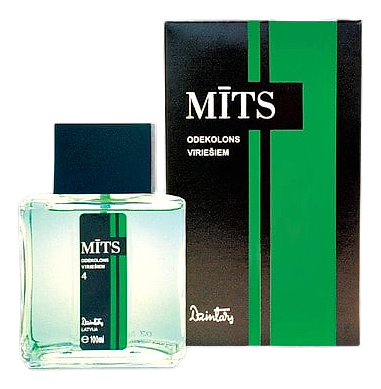
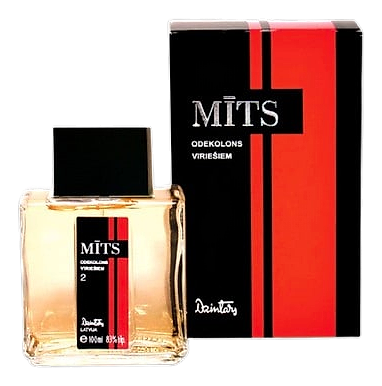
Mīts 2 arrived in 2010 as part of Dzintars' Mīts line, a series of woody aromatic compositions built for men who wanted something fresh and wearable rather than heavy or formal. The name Mīts means myth in Latvian, and the series continues that thread, with each numbered release offering a slightly different angle on the same woody-aromatic ground. Mīts 2 opens green and citrus-bright, a composition that values clarity and lift over density. The structure is straightforward and the notes stay legible from first spray to drydown, which gives the fragrance an uncomplicated, easy-to-read character. There is no excess decoration, no layering meant to impress rather than please; the formula does what it sets out to do and gets out of the way.
What makes Mīts 2 worth a second look is the way it stacks green and sweet without either side winning. The top opens with orange and grass, two notes that usually signal a fleeting summer scent. But the violet leaf and basil in the heart pull it herbal and slightly bitter, the kind of green that smells alive, leafy, and rooted. Then sandalwood bridges into a base built on musk, tonka bean, cedar, amber, and moss, which together land warm and resinous without going syrupy.
The evolution
The first ten minutes are the loudest: orange zest and cut grass, bright and a little sharp, the kind of opening that smells like walking past a freshly mown lawn. The violet leaf arrives early, quiet at first, then basil cuts through with a cool herbal snap. Sandalwood shows up around the twenty-minute mark, softening the green into something rounder, and the tonka bean begins its slow work underneath. The drydown takes about an hour to settle fully. Cedar and musk form the architecture, amber gives it a low warmth, moss keeps the green thread alive, and the tonka adds a faint vanillic sweetness that sits close to skin. The transition from top to heart is quick but not jarring; the orange fades gradually rather than vanishing, and the grass note morphs into something more herbal as the violet leaf and basil take the lead.
Cultural impact
Wears like a warm-weather grab from a vintage Eastern European shelf, green-leaning and quietly modern for a 2010 release. The composition has the kind of unpretentious character that makes it easy to overlook and hard to forget once you've spent a few hours with it. It sits closer in feel to an herbal fougère than to the sweeter orientals that were common in the men's category at the time, and that choice gives it a freshness that has held up well. The orange-grass opening reads as a small, confident gesture, the kind of opening that says the perfumer trusted the notes to speak for themselves.