The Story
Why it exists.
The beginning
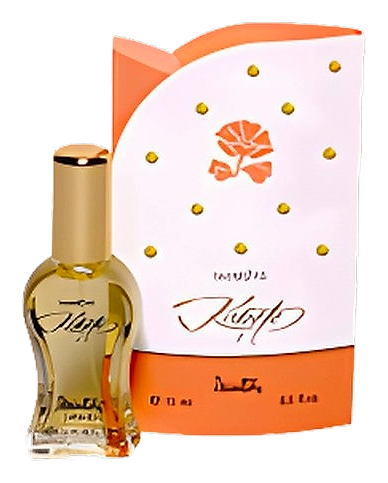
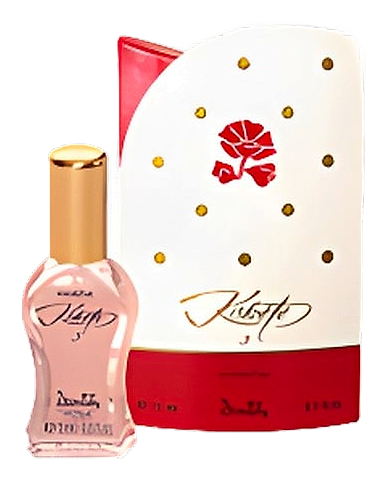
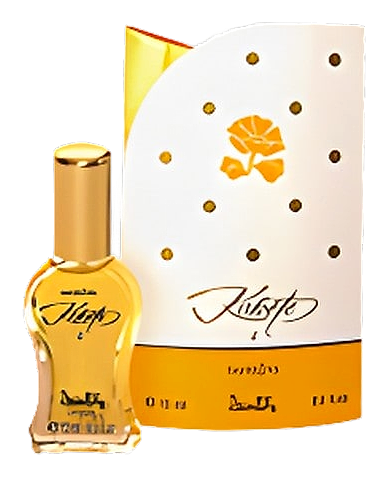
Lelde arrived in 1959 from the Riga workshop of Dzintars. Created by perfumers Bronislava Schwarzman and Milda Gulbe, the composition reads as a confident Baltic floral built on classical perfumery training. Amber, orris, patchouli, and a thread of lilac stitched into a structure that feels deliberate rather than ornamental. The opening gives you brightness before the deeper notes settle in. Bergamot lifts the first few minutes, ylang-ylang adds a waxy fullness, and lilac drifts through like pollen caught in still air. There's a groundedness to the construction, a sense that the perfumers wanted warmth without indulgence, something with weight and intention behind it. The florals never feel like decoration; they feel like the point of the whole exercise.
The unusual note in Lelde is oregano. It sits in the heart alongside patchouli and vetiver, adding a green, almost medicinal sharpness that keeps the florals from going soft. That herbal thread makes the entire composition feel alive, as if someone picked the oregano the same morning they walked into the workshop. Rose and ylang-ylang gain clarity from the contrast, their sweetness sharpened rather than smothered by the herbs around them. Tonka bean and benzoin run through the middle and base, lending a warm resinous undertone that holds everything together without crossing into sweetness.
The evolution
The first minutes belong to bergamot and ylang-ylang, bright and slightly waxy, like citrus oil rubbed between fingers. Lilac arrives quickly, delicate and powdery, then rose threads through, giving the opening a brief suggestion of lipstick on cotton. Within twenty minutes the florals recede and patchouli takes the wheel, earthy and cool, with oregano adding a green bite that smells closer to a kitchen garden than a perfume counter. Vetiver settles underneath, dry and stony. By the second hour the composition has shifted almost entirely into its base: sandalwood warmed by benzoin, ambergris lending a skin-like musk, oakmoss giving everything a faint forest floor hush. The balsamic notes hold the whole structure together like resin holding old wood. The sillage stays modest through the middle hours, the fragrance communicating more to the wearer than to a room.
Cultural impact
Lelde occupies a distinctive place in the catalog of Latvian fragrance, and indeed in the wider catalog of Eastern European perfumery. It carries the sensibility of a house comfortable with its own tradition, releasing compositions built on familiar structures rather than chasing outside trends. The perfume rewards attention: its herbal heart, balsamic base, and powdery floral top each reveal themselves with patience.
The House
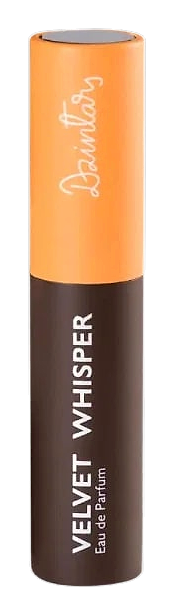
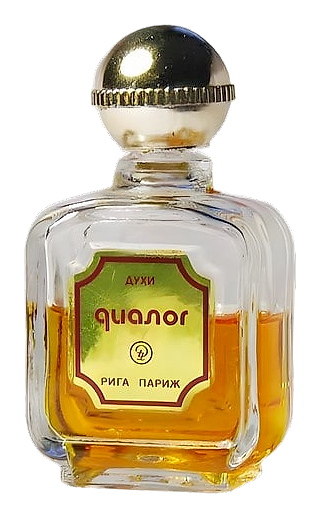
DzintarsDzintars is a Latvian perfume house that has been creating fragrances for nearly a century. Founded in Riga in the early 1920s, the brand survived the upheavals of World War II, Soviet nationalisation and the re‑establishment of Latvia’s independence. Its catalogue includes more than two hundred scents, ranging from classic fougère blends to aromatic compositions that echo the Baltic landscape. Dzintars remains a familiar name in Eastern Europe, where many of its vintage releases are still recognised by collectors.
The Creator
Bronislava Schwarzman & Milda GulbeHer signature technique involves layering aldehydic brightness over structured florals, creating an effect that feels both vintage and surprisingly modern. Schwarzman favored ingredients with clear, assertive characters: pine needles, lilac, violet, and lily-of-the-valley appe…