The Story
Why it exists.
The beginning
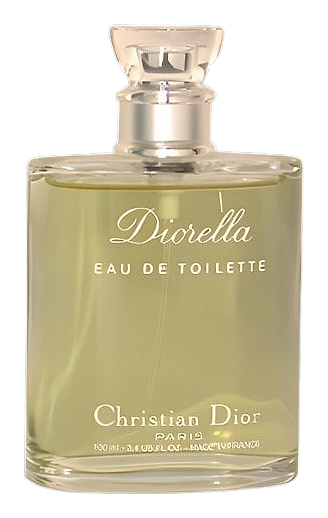
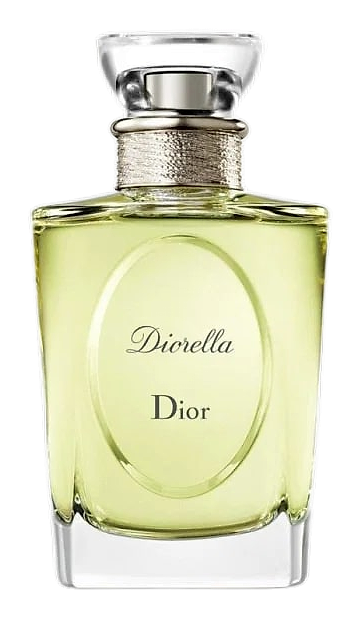
Diorella arrived in 1972 from the hands of Edmond Roudnitska. It was conceived as part of Les Créations de Monsieur Dior, a line that brought a quieter register to the house's early fragrance work. The composition is a green chypre floral, built around the brisk interplay of galbanum, basil, and oakmoss at its foundation, with honeysuckle, jasmine, rose, and carnation woven through the heart. On skin, the galbanum registers first, green and resinous, almost bitter, before the florals push forward and soften the opening without ever fully taking it over. A thread of melon lends a watery sweetness that keeps the citrus from feeling austere. The base settles into oakmoss and a quiet patchouli warmth that anchors the composition for hours.
What makes the composition worth attention is its honesty. Diorella keeps the florals suspended in green. Honeysuckle, jasmine, rose, and carnation are present, but they read through a lens of basil and oakmoss rather than standing alone. It's a chypre framework with floral decoration, not the other way around. The green notes do the structural work, holding the softer materials in place, while the florals supply texture rather than weight.
The evolution
The first ten minutes are all basil and citrus, bright and almost herbal in their clarity. Lemon and bergamot cut through quickly, giving way to melon and a whisper of green stems that smells less like a fruit and more like foliage. By the thirty-minute mark, the florals begin to surface, but gently. Honeysuckle arrives first, slightly honeyed and warm, followed by jasmine and rose, which stay muted rather than indolic. Carnation adds a faint peppery edge that keeps the heart from going soft. The transition into drydown is gradual. Oakmoss and patchouli take over quietly, and vetiver grounds everything with its dry, earthy quality. The musk at the base is clean rather than animalic. After six hours, what remains is a soft green-woody trace, the kind that lingers on a scarf or a collar without announcing itself. It's a slow fade, not a disappearance.
Cultural impact
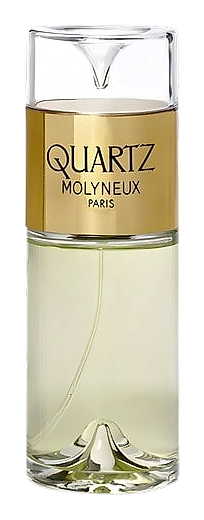
Diorella remains a reference point for green chypre florals, and its composition holds its shape over hours in a way that speaks to the careful construction behind it. Similar fragrances like Diorella Parfum, Molyneux's Quartz, and Frédéric Malle's Le Parfum de Thérèse share its green-floral DNA and offer comparison points for anyone exploring the category. Diorella Parfum tightens the original structure with a denser mossy base, while Quartz reads lighter and more crystalline in its floral handling.