The Story
Why it exists.
The beginning
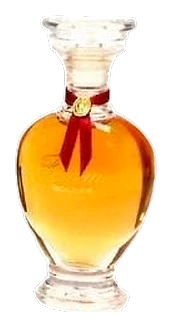
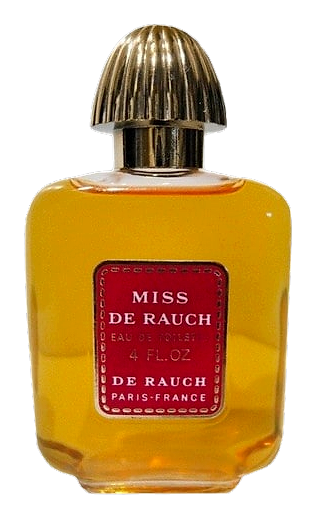
Miss de Rauch arrived in 1960 from the Parisian fashion house of Madeleine de Rauch, the couturier behind the label. The aldehydes up top give it that abstract, soapy shimmer associated with haute parfumerie of the era, a brisk and waxy brightness that announces the composition before anything else has a chance to settle. The mimosa, orris, and honeysuckle in the heart keep it firmly floral-aldehyde, a deliberate construction that prioritizes lift and clarity over weight. There's a cool, slightly metallic edge to those top notes, the kind of cold shimmer you get when aldehydes first hit warm fabric and start to soften. Underneath that initial buzz, the florals arrange themselves in a measured bouquet rather than tumbling out all at once.
What separates this from other aldehyde florals of the era is the density of its heart. Most 1960s aldehydes built around one or two flowers, maybe rose and jasmine. Miss de Rauch stacks orris root, ylang-ylang, mimosa, rose de mai, lily of the valley, honeysuckle, jasmine, magnolia, reseda, and blackcurrant in a single phase. That's not a bouquet. That's a hedge. The mimosa in particular gives the composition a sunny, almost honeyed lift that keeps the florals from collapsing into powder. The blackcurrant adds a green-tart thread you don't often find in aldehyde florals. That note combination, dense florals anchored by mimosa and undercut by a cool green, is the fingerprint of this fragrance.
The evolution
The first 30 minutes are all aldehyde buzz. Bright, waxy, slightly metallic in the way aldehydes can be before they warm into something more human. Underneath, the orange blossom and melon push a juicy, almost confectionary sweetness that some wearers say borders on soapy. Citrus lifts the top. Lotus keeps the tone cool. Peach rounds off any sharp edges. By the 45-minute mark the aldehydes retreat and the florals take over. This is where the composition earns its reputation. The mimosa arrives next, bright and honeyed, almost like warm hay. Ylang-ylang adds a creamy, almost banana-like warmth. Honeysuckle sweetens the edges. The florals feel sunlit rather than indolic, clean rather than heady. Reseda gives a cool green snap.
Cultural impact
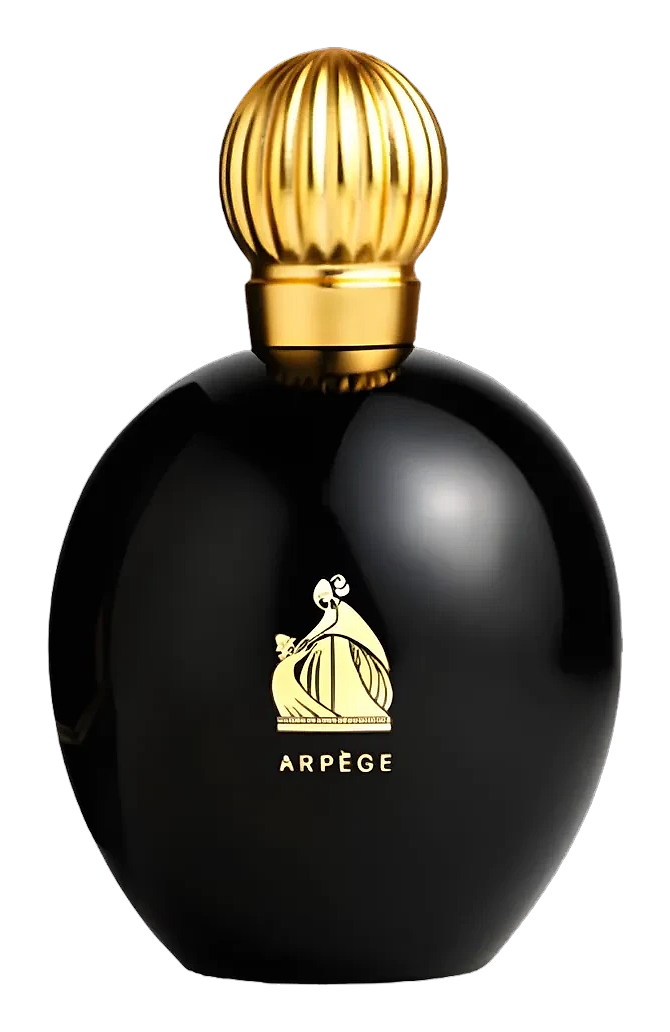
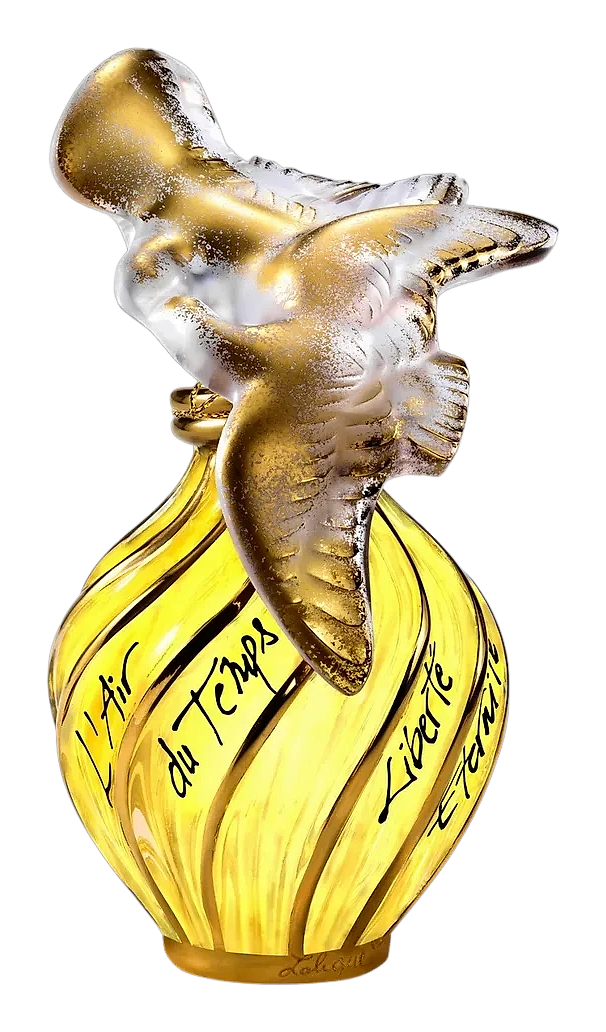
Vintage Miss de Rauch has reformulation history noted in fragrance databases, with reformulations recorded in 1968 and 1998. That timeline places different versions of the scent across several decades, each one a snapshot of how the formula changed. Sources list Nina Ricci's L'Air du Temps and Chanel's Arpège under 'People who like this also like,' positioning Miss de Rauch within a recognizable cluster of aldehyde florals from the same era. The shared territory is the aldehyde floral category, a lane that several major French houses worked in during the mid-century.