The Story
Why it exists.
The beginning
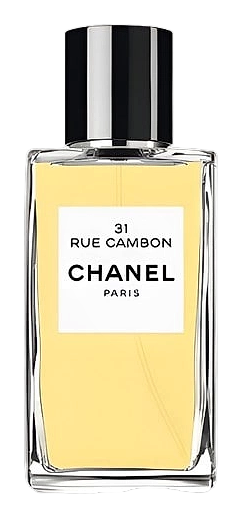
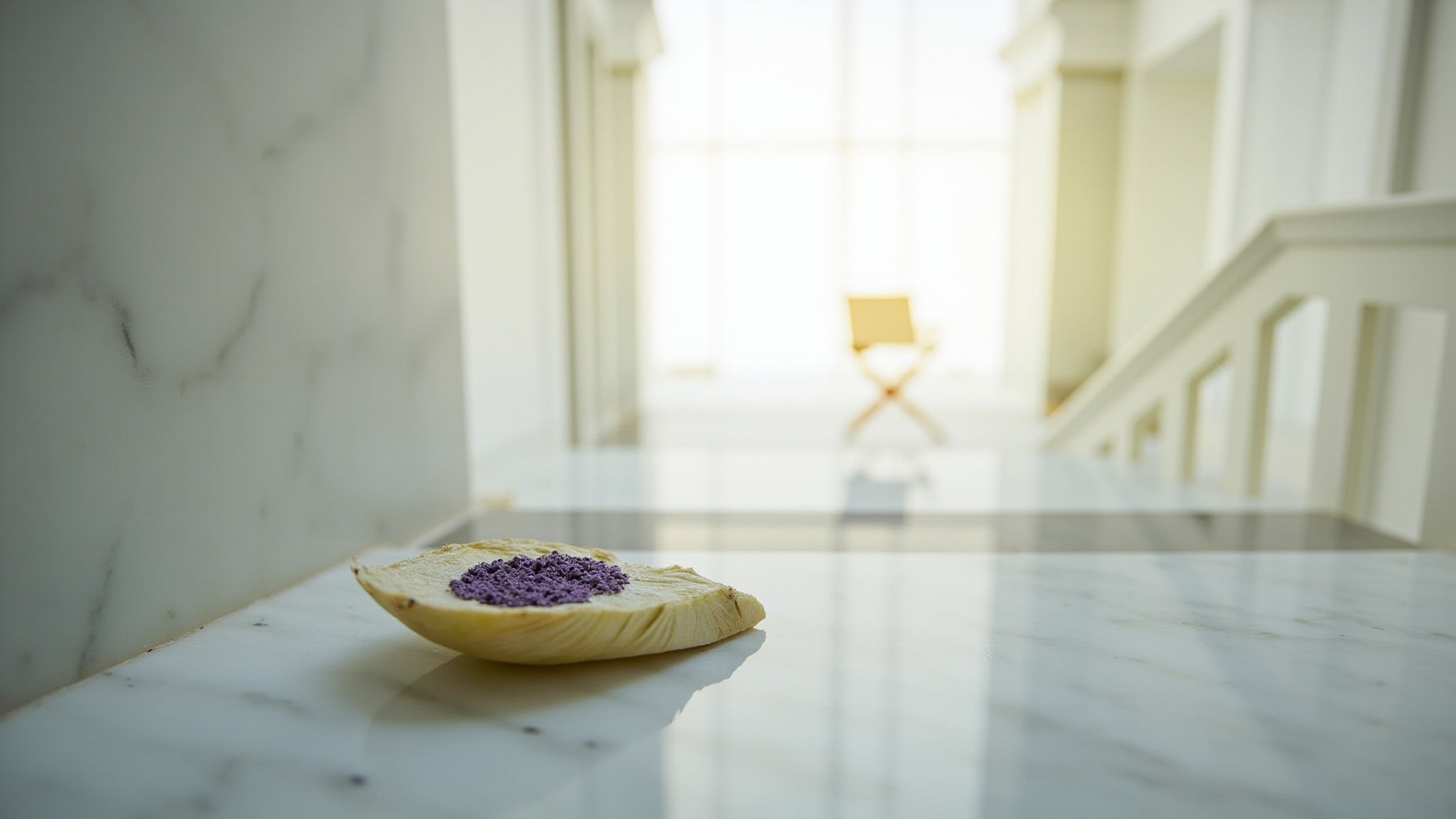
31 Rue Cambon in Paris is more than an address, it is where Chanel's world began. In 1921, Gabrielle Chanel purchased the building that would house her couture salons, her vision, her definition of modern elegance. The fragrance named for that address is not a tribute. It is a translation: the smell of that building's hallways, the confidence of its fittings, the particular quality of light that falls through those windows onto white marble stairs.
Jacques Polge worked with Iris Pallida, the violet-scented iris variety cultivated in southern France for traditional perfumery. The choice of iris is deliberate, it carries the powdery, almost tactile quality of Chanel's signature style, the same quality that makes their interiors feel both austere and warm. Ylang-ylang from Grasse and a quiet rose hold the floral heart, while labdanum provides the amber warmth that anchors the composition to skin. Patchouli adds the earthiness that prevents the whole thing from floating into abstraction. This is a woody chypre that knows exactly what it is.
The evolution
The opening hits sharp, bergamot and black pepper arrive together, citrus brightness followed immediately by warmth. Green notes soften the transition as the heart begins to assert itself. The iris emerges gradually, powdery and confident, not shy about what it wants. Ylang-ylang thickens the middle, adding a creamy richness that keeps the florals from reading as light. The drydown is where this fragrance earns its name: labdanum and patchouli create a warm, earthy base that holds the iris like a memory. Eight to ten hours on most skin. Close to the body, the sillage is moderate, which is itself a statement. The next morning, there is still something there, something warm and woodsy that has become part of you.
Cultural impact
31 Rue Cambon sits in a specific tradition: fragrances named for places that matter. It is less discussed than some of its Les Exclusifs siblings, which has made it a kind of insider's Chanel, the one people recommend when they want to seem knowledgeable without reaching for the obvious choices.