The Story
Why it exists.
The beginning
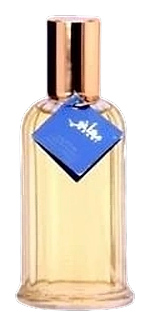
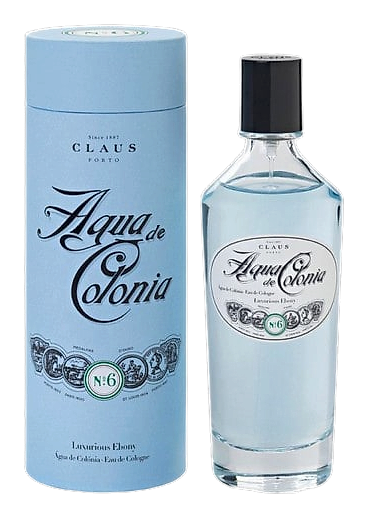
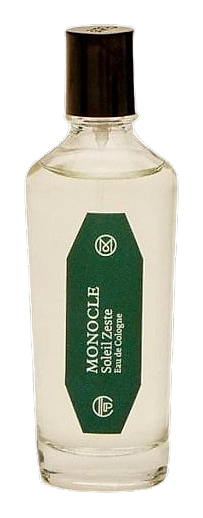
Soleil Zeste is what happens when two houses with very different instincts agree to make something together. Monocle brings the editorial eye, the sense that a product should feel as considered as a magazine spread. Claus Porto brings the material intelligence, the kind that comes from years of working with fragrance as a daily object. The brief was simple: build a cologne around lime and lemon in their sharpest, most sunlit form, without leaning on sunscreen accord. Daphné Bugey, the nose behind the collaboration, built the scent around those two citruses, with the green snap of petitgrain and cypress threading through. The result is aimed at anyone who wears a cologne the way they wear a destination, as something chosen for a specific moment, a specific hour, a specific light.
The interesting choice here is the absence of ambition. Soleil Zeste stays citrus. It lets the green notes, petitgrain's leafy bitterness, galbanum's sharp vegetal cut, and cypress's resinous undertow, do the heavy lifting in the middle. The base is equally restrained: a touch of Diva lavender and white musk. Nothing tries to be a statement. The composition works because every element earns its place by staying in its lane, and because the citrus is treated as an experience worth extending rather than a doorway to something else. The restraint is deliberate, and it shows in the wear.
The evolution
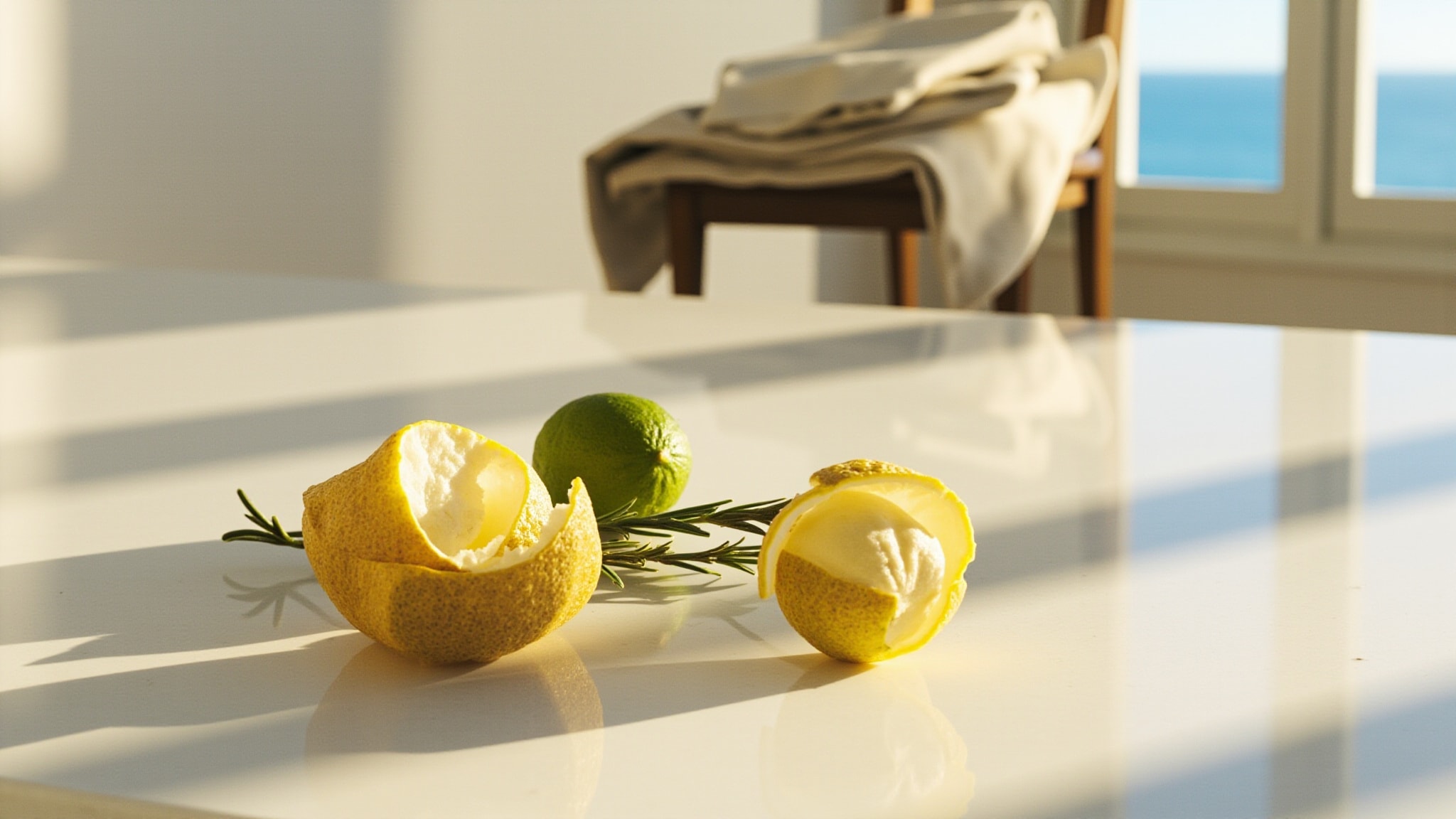
The opening is almost aggressive in its brightness. Lime leads, then lemon chases, with bergamot smoothing the edges into something that smells like cold juice on a hot afternoon. The citrus trio announces itself without apology, each peel distinct for a moment before they blur into a single sharp chord. Petitgrain arrives next, softening the citrus without dulling it, adding a leafy quality that reads somewhere between a fig tree and a just-crushed herb stem. Galbanum surfaces shortly after, giving the heart a sharp green flicker that makes the whole thing feel alive rather than static. Cypress grounds the middle phase, adding a dry, almost coniferous backbone that keeps the composition from floating off into something weightless. As the wear continues, the citrus fades to a memory, and the musk takes over, carrying traces of the lavender with it.
Cultural impact
Soleil Zeste sits in an interesting space: it reads more like an editorial object than a traditional cologne launch. The collaboration positions it as something to be considered rather than consumed, an object that belongs in the same category as a well-made notebook or a considered piece of luggage. It belongs alongside other sharp, citrus-forward colognes that treat restraint as a design principle. The scent carries a certain kind of confidence, the quiet assurance of someone who has made their choices and is comfortable with them.
The House
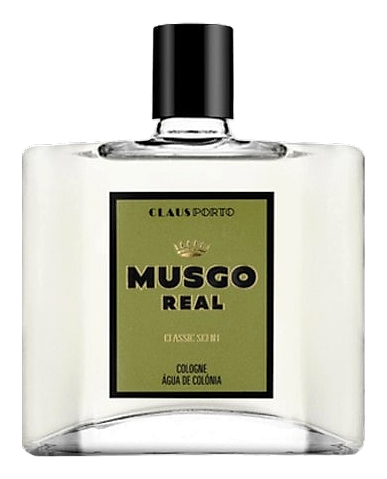
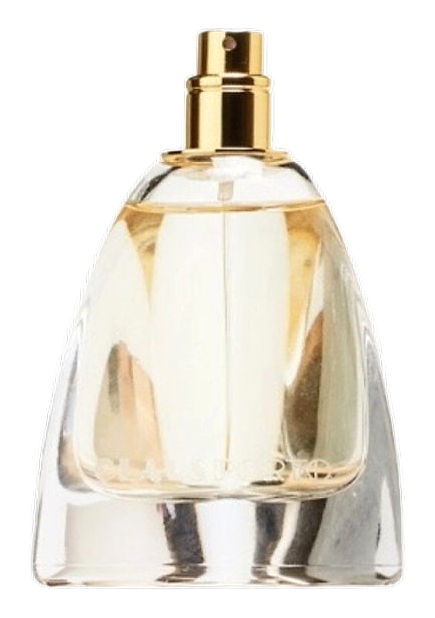
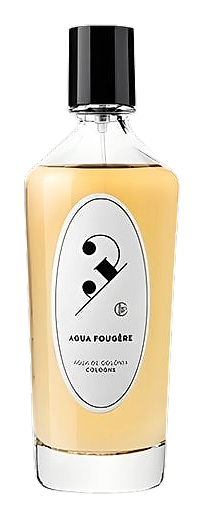
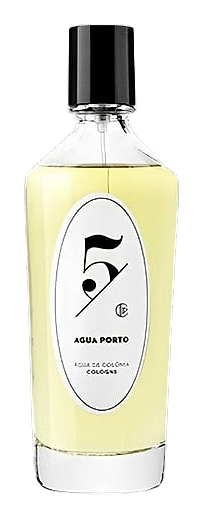
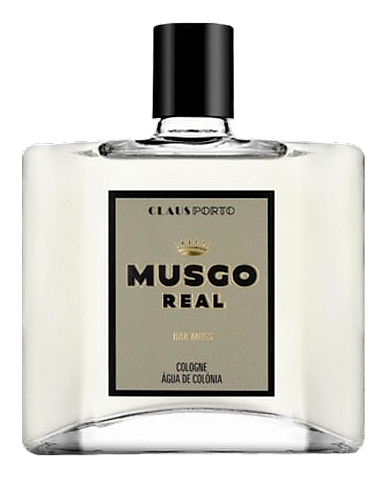
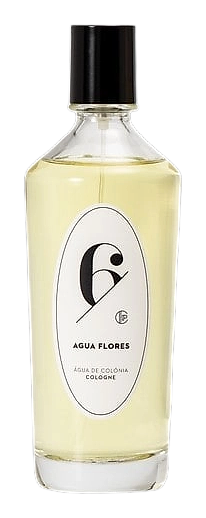
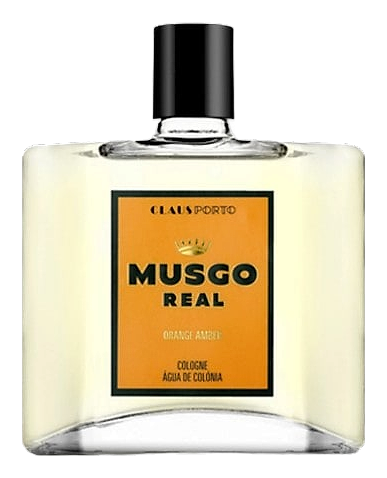
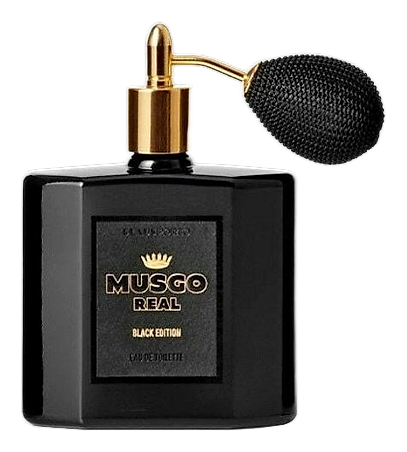
Claus PortoClaus Porto is a Portuguese house that has turned everyday toiletries into objects of quiet luxury since 1887. Founded in the city of Porto by German entrepreneurs Ferdinand Claus and Georges Schweder, the brand began as the country’s first soap and fragrance factory. Over more than a century it has expanded into a curated line of colognes, scented soaps and body care, all distinguished by hand‑crafted techniques and a visual language that echoes the tiles and art‑deco architecture of its hometown. Today the brand operates a flagship boutique on Rua de Santa Catarina, where visitors can explore the full range of scents and admire the historic packaging that has become a collector’s item.
The Creator
Daphné BugeyRose is the cornerstone of Bugey's signature. She treats it as a flexible material, pairing it with citrus and woods in some compositions, grounding it in musks and animalic warmth in others.