
The Story
Why it exists.
The beginning
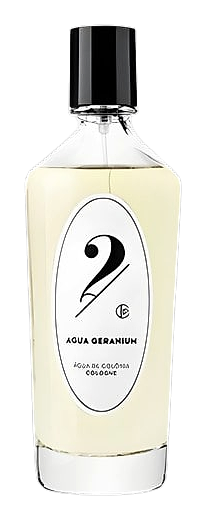
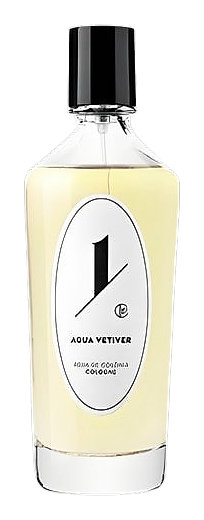
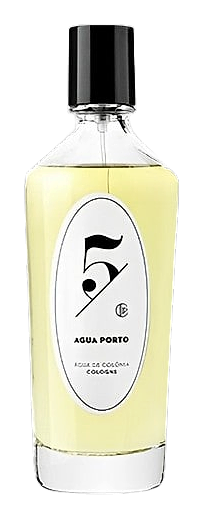
The Agua de Colonia line has always occupied a particular space within the Claus Porto range. These were fragrances meant to feel like something familiar, something that fit rather than announced. Agua Porto continues that approach. It opens bright and clean, a citrus that doesn't demand attention. As it settles, green notes emerge, bringing a dry, herbal quality that keeps things grounded. This is not a fragrance that announces itself across a room. It earns its place quietly, staying close to the skin, present without being insistent. The composition moves from that initial brightness through a middle section of juniper and cypress, before settling into a base of moss and amber that lingers softly into the evening hours.
What makes Agua Porto interesting isn't any single note, it's the conversation between citrus and galbanum. Bergamot, petitgrain, lemon, orange: a citrus quartet that could easily read generic. Galbanum changes that. It's resinous, bitter, almost medicinal in the way fresh-cut herbs can be. Added to juniper and cypress in the heart, it pushes the fragrance away from the beach and toward the hillside, the maquis scrub that grows along the Portuguese coast. Moss anchors it to granite. Amber and musk keep it wearable. The structure isn't revolutionary. But the balance is precise.
The evolution
The opening is a cold glass of citrus water on a stone terrace. Bergamot leads, then petitgrain arrives with its bitter leaf edge, then lemon and orange layer in, together a citrus that's sharp, bright, mineral. Not sweet. Before long, the fragrance begins to shift. Juniper and cypress arrive together, their woody dryness cutting the brightness. Galbanum adds an herbal, almost medicinal green. The heart is dry and grounding, a counterargument to the initial airiness. The heart holds its position before giving way to the base. The drydown is where moss and amber settle in. Musk softens everything, amber adds warmth without sweetness, moss gives an earthy, slightly animalic base that reads as mineral and close to the skin. The drydown is intimate, moderate sillage, never announcing itself. This is the kind of fragrance that stays with you, not the room.
Cultural impact
Agua Porto occupies a particular space in the contemporary fragrance landscape. It's not loud, and that restraint seems deliberate. The fragrance has been described by those who wear it as green, fresh, and genuine. Within the Claus Porto range, the Agua de Colonia line has always represented something approachable, a way into the house's sensibility without requiring prior knowledge or commitment. Agua Porto fits this description. It works without announcing itself, finding its audience among those who appreciate a fragrance that earns its place quietly. The response has been consistent: people who wear it tend to keep wearing it.