The Story
Why it exists.
The beginning
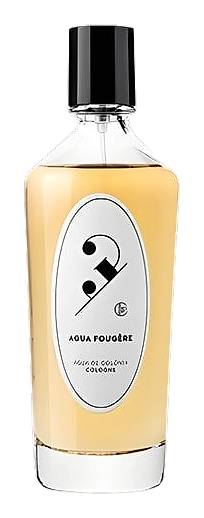
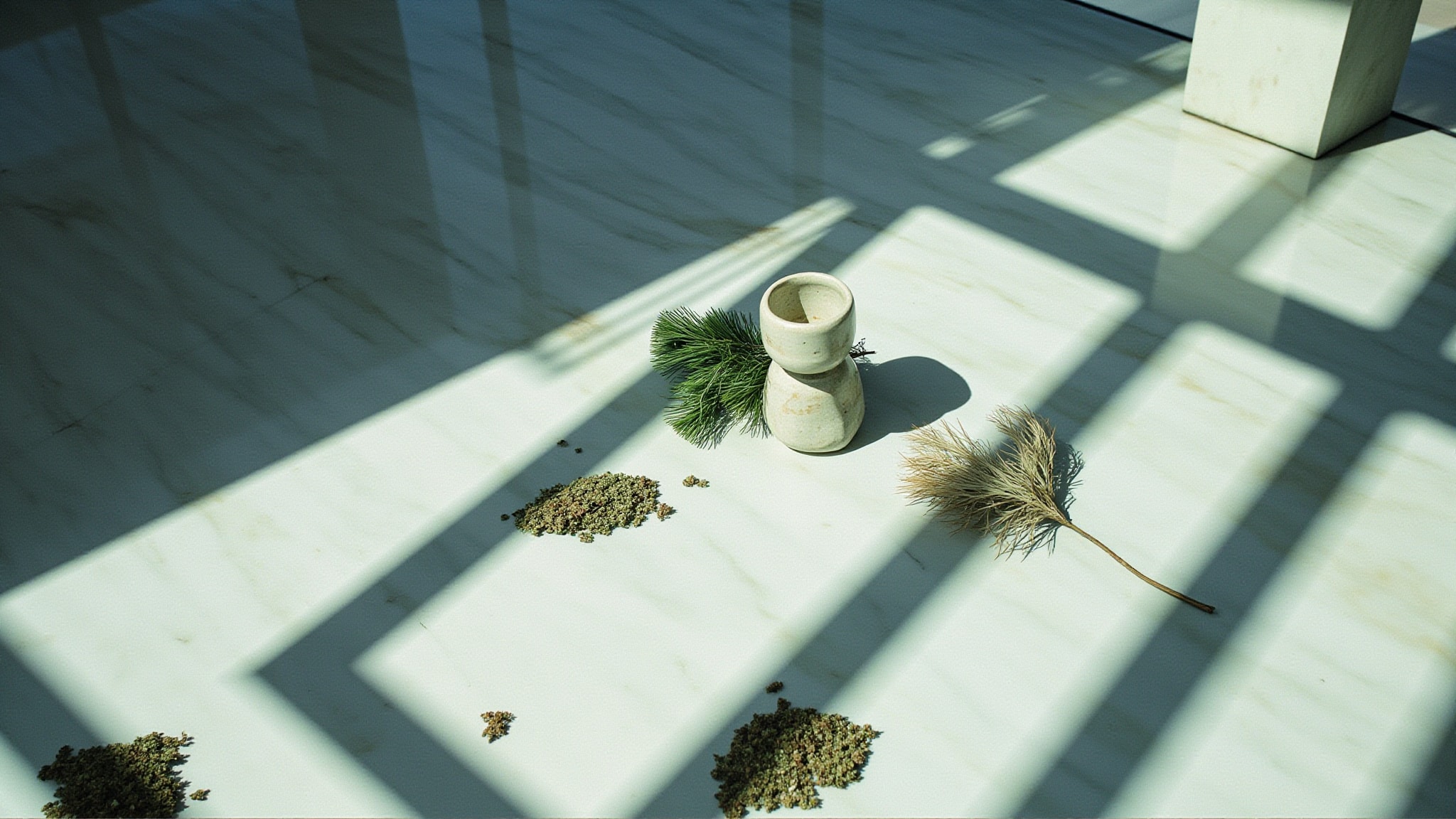
Agua Fougère arrived in 2018, created by Lyn Harris for Claus Porto. A fougère built differently. Where the classic barbershop fougère reaches for lavender and powder, Harris stripped it back to the architecture beneath: green, moss, wood. The Portuguese forest as source material instead of the barbershop shelf. Pine needles carry the opening. Not as metaphor, but as fact. Galbanum adds that sharp, almost bitter green that makes the top registers feel alive. The name itself is a declaration: Agua for the Portuguese tradition of light, aromatic colognes the house has refined since 1887. Fougère because that's what it is structurally. Moss at the base, green at the top, and everything between built from botanical rather than nostalgic material.
What makes this work is the tension between the heart and the opening. Jasmine and black pepper arrive in the middle phase and immediately soften the initial sharpness. The jasmine adds a quiet sweetness, the pepper dries it out before it gets soft. Two materials that could fight, instead they negotiate. Then the base: cedar, frankincense, and carrageenan moss. The moss note is unusual. Not oakmoss as in classic fougères, but a marine-derived material that carries the same earthy, mineral quality with less darkness. Combined with frankincense, it gives the drydown a cool, almost meditative quality rather than warmth. Harris has described wanting to capture the Portuguese forest after rain.
The evolution
The opening hits all at once. Pine needles, geranium, galbanum arriving together in a sharp, green, slightly astringent wave. The galbanum does the heavy lifting here, that resinous bitterness that makes the top feel alive rather than sweet. Geranium adds a faint herbal lift, keeps it from going too dark. Give it thirty minutes. The greens begin to separate, jasmine appears in the distance, and black pepper steps forward. The composition warms. The initial sharpness softens into something more refined, still present but no longer cutting. Two to three hours in, the drydown establishes itself. Cedar and frankincense take over the woody structure, but the carrageenan moss is the tell. That mineral, slightly marine earthiness that gives the base its cool quality. This is where Agua Fougère earns its name. Not warm, not heavy. A forest at dusk. The scent stays close to the skin for the remaining hours, intimate rather than announced, moss and wood quietly present when you lift your wrist.
Cultural impact
Agua Fougère occupies a specific position in the modern fougère conversation. The fougère is one of perfumery's oldest structural forms, traditionally built around lavender, coumarin, and oakmoss. Harris stripped those conventions and rebuilt from botanical materials native to the Portuguese tradition. The result reads as familiar and strange at once. Wearers describe it as the scent of someone who walks into a room and doesn't need to announce themselves. The moderate sillage keeps it from dominating a space, which makes it surprisingly versatile. The Portuguese fougère angle has resonated with those drawn to the Claus Porto heritage but looking for something less barbershop than the house's classic Musgo Real line.