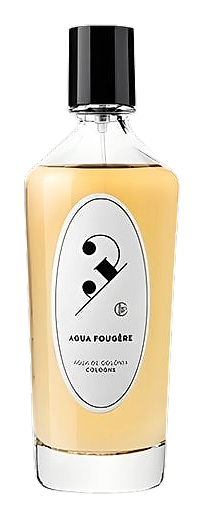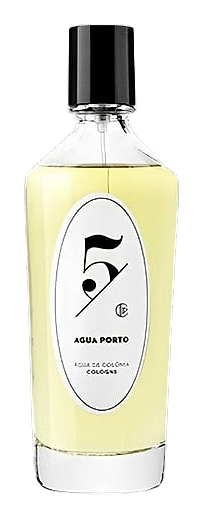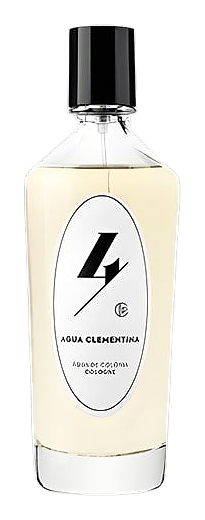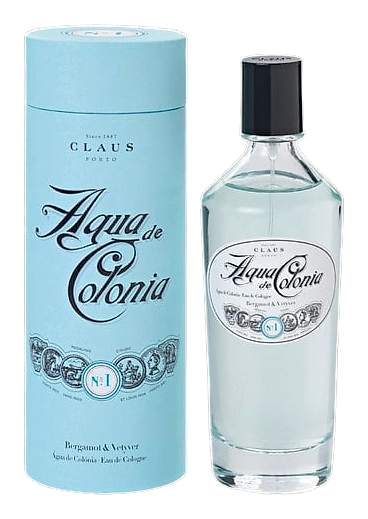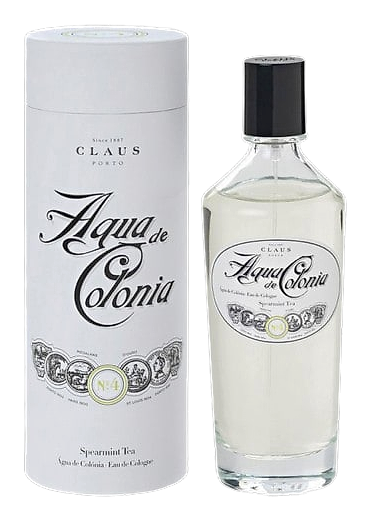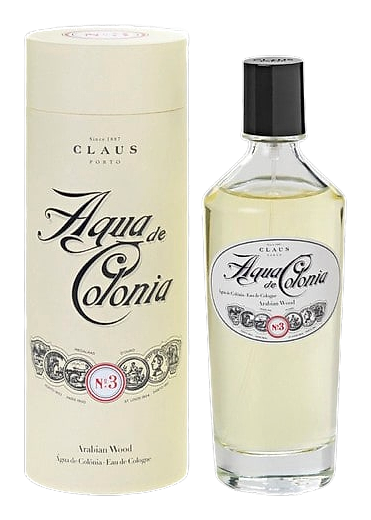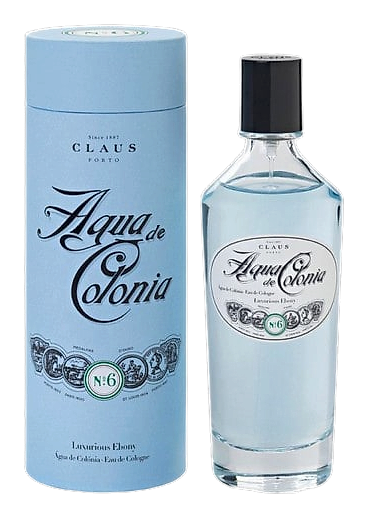

The Story
Why it exists.
The beginning
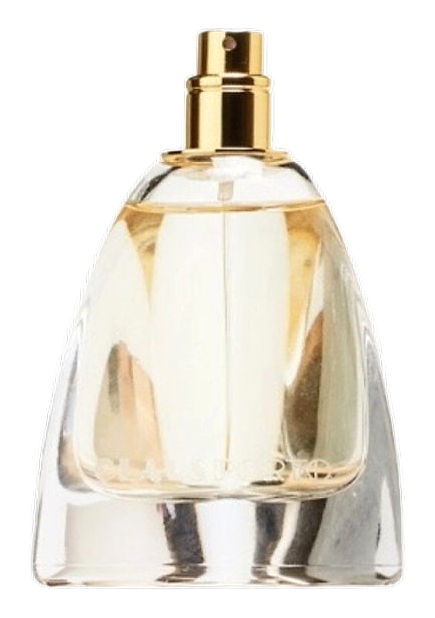
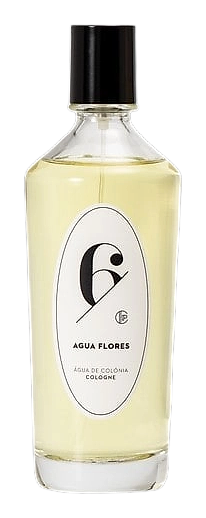
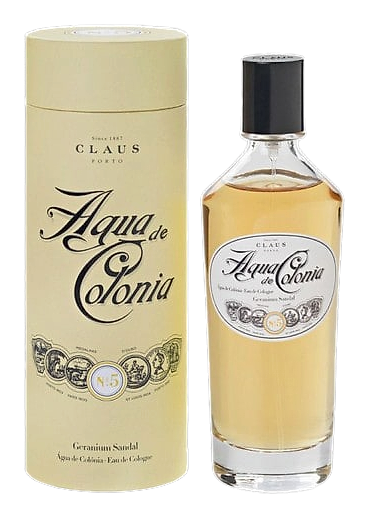
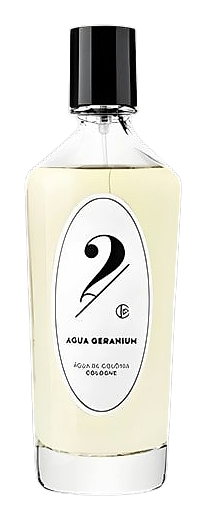
In 2018, Lyn Harris embarked on a journey through Portugal with the Agua de Colonia collection, her attempt to distil the sensory memory of the country into scent. Agua Geranium was born from a specific moment: an overgrown garden in Lisbon where geranium grew wild against sun-warmed stone. Harris didn't want the florals most people expect from geranium, she wanted the leaf. The green, almost metallic character of pelargonium as it grows, not the rosy sweetness it's sometimes reduced to. This is geranium as an aromatic material first, a floral second.
What makes Agua Geranium distinctive is Harris's decision to mute the mintier facets of geranium leaf in favor of its woody, rosy qualities. In her hands, geranium becomes a fougère element rather than a floral one, the backbone of the composition rather than its decoration. The clove and rose don't soften it into prettiness; they add warmth and complexity without losing the essential green clarity. This is restraint as a creative choice, not limitation as a budget constraint.
The evolution
The opening hits with bergamot's bright citrus and lavender's cool herbaceousness, a bracing introduction that announces itself clearly. Within minutes, the geranium leaf takes over, bringing its green, slightly metallic character forward. The clove and rose arrive quietly, adding warmth without sweetness. By the third hour, the base notes, moss, patchouli, vetiver, have settled into an earthy, slightly powdery drydown that remains close to the skin. It doesn't project aggressively; it invites someone standing very close to lean in.
Cultural impact
Part of the Agua de Colonia collection, Agua Geranium has become a reference fragrance for those who appreciate aromatic complexity without excess. It occupies a specific niche: the geranium lover who finds most geranium fragrances too sweet, too floral, too loud. Harris designed it to channel Portuguese garden atmospheres, where geranium grows wild alongside aromatic herbs, making it a distinctly place-based scent within the modern niche landscape.
The House
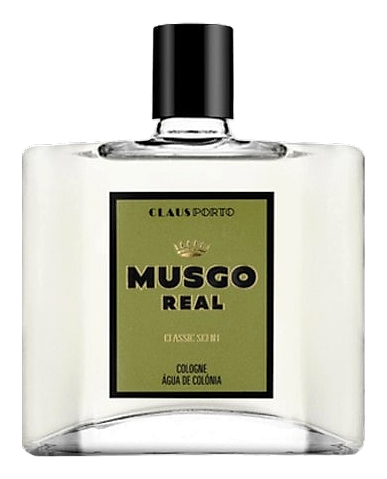
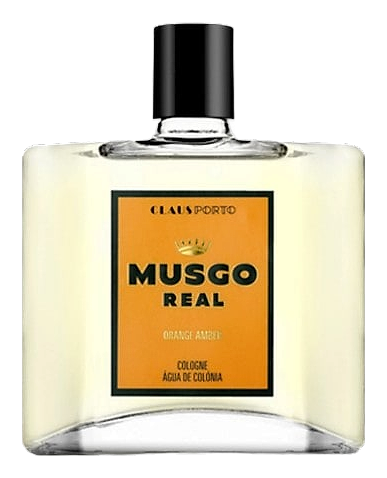
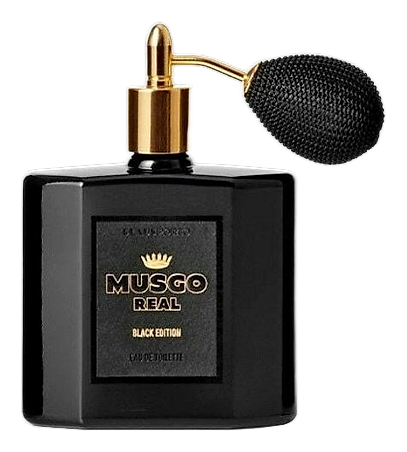
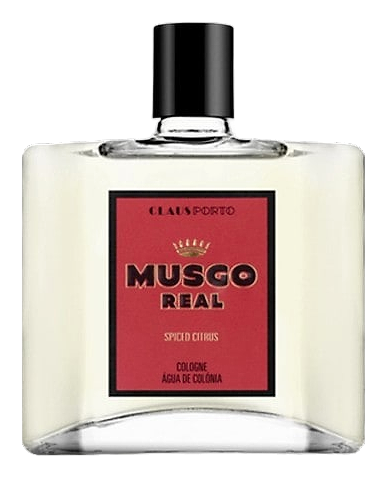
Claus PortoClaus Porto is a Portuguese house that has turned everyday toiletries into objects of quiet luxury since 1887. Founded in the city of Porto by German entrepreneurs Ferdinand Claus and Georges Schweder, the brand began as the country’s first soap and fragrance factory. Over more than a century it has expanded into a curated line of colognes, scented soaps and body care, all distinguished by hand‑crafted techniques and a visual language that echoes the tiles and art‑deco architecture of its hometown. Today the brand operates a flagship boutique on Rua de Santa Catarina, where visitors can explore the full range of scents and admire the historic packaging that has become a collector’s item.
The Creator
Lyn HarrisHarris favors a minimalist architecture, building around a dominant natural note and supporting it with subtle accents. She often begins with a single flower, resin or wood, then layers thin, measured traces of spice, citrus or green foliage.