
The Story
Why it exists.
The beginning
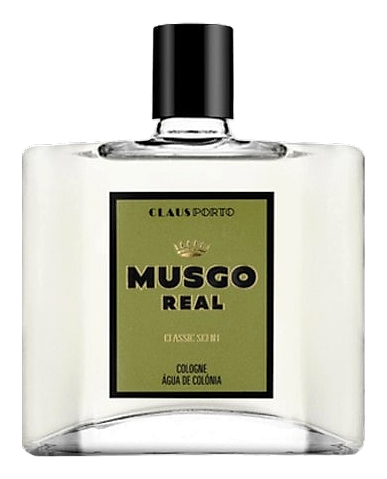
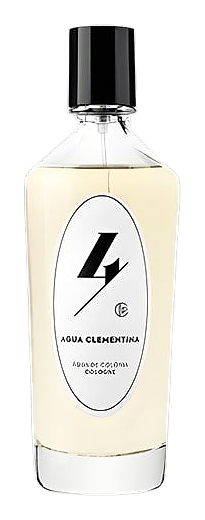
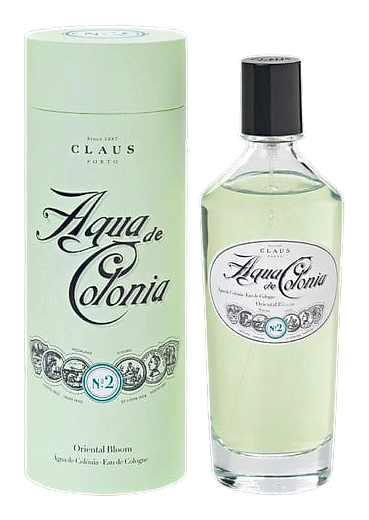
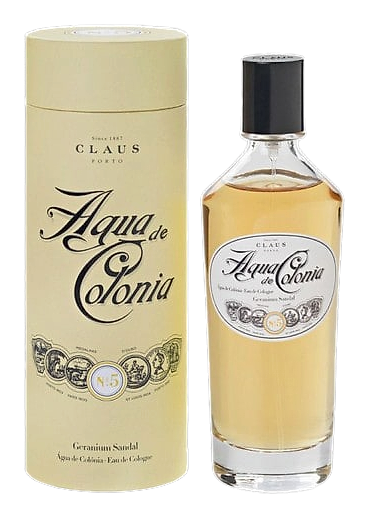
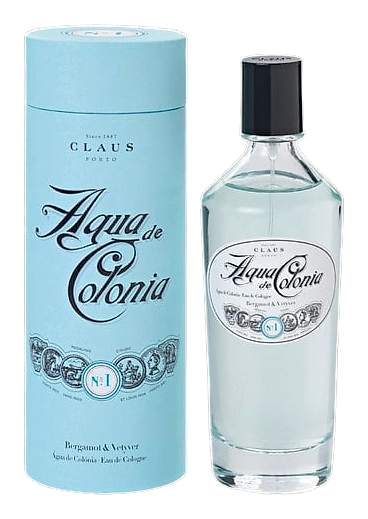
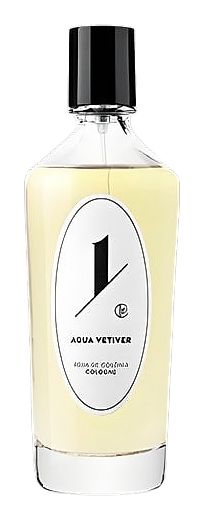
The Agua de Colonia collection came from a single question: what does Portugal smell like? Lyn Harris spent time traveling the country, looking for scents that could translate its landscapes into wearable form. Agua Vetiver was her answer to the interior, the plains, the earth, the weight of the sky before rain. Vetiver, she felt, captured something about Portuguese terrain that citrus or florals couldn't. The result is a fragrance rooted in place, built around a material with its own geography.
What makes this composition interesting is how Harris refuses to sweeten the vetiver. Haitian vetiver is earthy, almost root-like, with a green bitterness that most perfumers soften or sideline. Here it sits at the center, supported by galbanum and bergamot that lift rather than mask. The eucalyptus and pine needles add a cooler, almost coniferous quality, the scent of evergreen forests rather than Mediterranean groves. Cedar anchors the base, and the seaweed is the quiet surprise: marine mineral rather than aquatic sweetness, keeping everything grounded and dry.
The evolution
The opening arrives quickly. Bergamot and galbanum hit first, bright, slightly bitter, the scent of citrus peel rather than juice. Lavender sits underneath, softening the edges. Within minutes the vetiver takes over. This is the tell. Earthy, rooty, unmistakably green. The eucalyptus and pine needles keep it cool and aromatic, a forest quality that doesn't let up. Cedar and amber arrive in the base, but the vetiver doesn't disappear, it deepens, settling into the skin like something that was always there. The seaweed adds a mineral finish, salt rather than sweetness. By the final hours, it's intimate and close: vetiver and cedar, skin and wood. Lasts through a full workday on most people, quieter sillage that rewards proximity.
Cultural impact
Agua Vetiver sits in the Agua de Colonia collection, Lyn Harris's olfactory cartography of Portugal. It's the quiet alternative to louder Vetivers, less aggressive than versions built for projection, more rooted in place. The fragrance appeals to those who want vetiver as a full expression rather than a supporting note, and it holds its own among the quieter woody-aromatic compositions in contemporary perfumery.
The House
Claus PortoClaus Porto is a Portuguese house that has turned everyday toiletries into objects of quiet luxury since 1887. Founded in the city of Porto by German entrepreneurs Ferdinand Claus and Georges Schweder, the brand began as the country’s first soap and fragrance factory. Over more than a century it has expanded into a curated line of colognes, scented soaps and body care, all distinguished by hand‑crafted techniques and a visual language that echoes the tiles and art‑deco architecture of its hometown. Today the brand operates a flagship boutique on Rua de Santa Catarina, where visitors can explore the full range of scents and admire the historic packaging that has become a collector’s item.
The Creator
Lyn HarrisHarris favors a minimalist architecture, building around a dominant natural note and supporting it with subtle accents. She often begins with a single flower, resin or wood, then layers thin, measured traces of spice, citrus or green foliage.