The Story
Why it exists.
The beginning
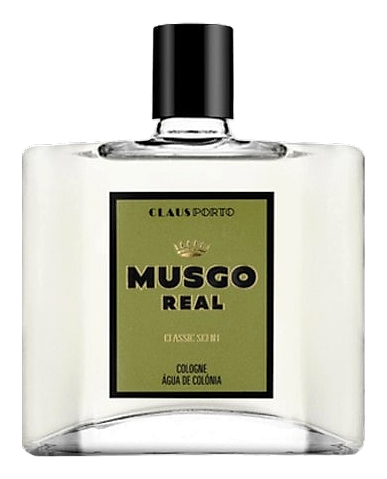
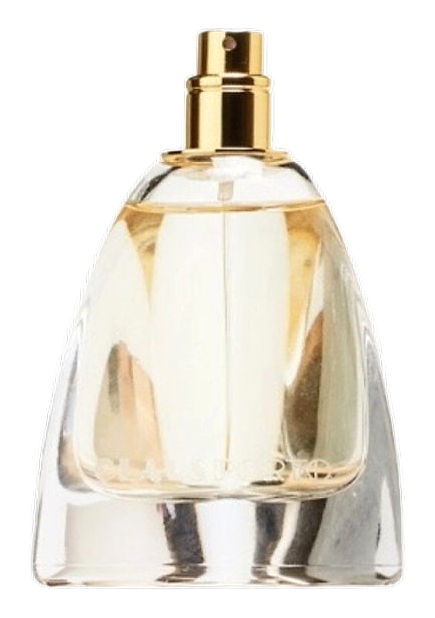
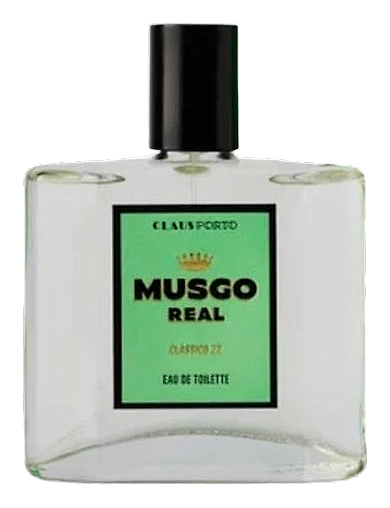
Musgo Real Clássico 22 is the latest expression from Claus Porto's oldest fragrance family, the Musgo Real line that began in the 1930s. Daphné Bugey designed this 2025 release with one directive: capture Porto's coastal air and translate it into something worn. The ozonic freshness sets the tone immediately, a direct reference to the Atlantic that shapes the city's maritime character. The city where the house has operated since 1887 provides constant inspiration, its harbor mists and sea-swept streets feeding into every formulation. This is heritage fragrance made for contemporary skin, archive roots, modern restraint.
What makes Clássico 22 work is the tension between its brightest and most grounded materials. Bergamot and lemon open sharp and sparkling, clean and vibrant, but the ozonic note arrives before you can settle into expectations. It's maritime without being aquatic. Fresh without being clinical. Then the herbs take over, one by one: basil first, juniper easing in alongside it, mint threading through the green heart like a breeze through a garden. The structure is deceptively simple. Three top, three heart, three base.
The evolution
The opening hits crisp and immediate, bergamot and lemon bright, ozonic lift adding that Atlantic charge. Within minutes the citrus settles and the sea air feeling takes over, less a specific note than a shift in pressure. The heart begins around the ten-minute mark as basil and juniper arrive quietly, not announcing themselves, just gradually becoming the whole of the scent. Mint appears late in the heart phase, adding a coolness that keeps everything green and moving. By hour three, the drydown has arrived: cedarwood and vetiver forming a woody structure, musk warming the base. It stays close to the skin after that, intimate, almost shy. The kind of longevity that works for an evening dinner without ever announcing itself across the table.
Cultural impact
Clássico 22 has found its audience among those who associate it with place, specifically with Porto. Travelers who've visited the Claus Porto flagship often describe it as a memory trigger, the way certain scents reconnect you to a specific city and season. It appeals to people who've grown tired of performative fragrances and want something that communicates quietly. The scent offers a quiet sophistication that rewards close attention, drawing those who seek something distinctive and personal rather than immediately recognizable.
The House
Claus PortoClaus Porto is a Portuguese house that has turned everyday toiletries into objects of quiet luxury since 1887. Founded in the city of Porto by German entrepreneurs Ferdinand Claus and Georges Schweder, the brand began as the country’s first soap and fragrance factory. Over more than a century it has expanded into a curated line of colognes, scented soaps and body care, all distinguished by hand‑crafted techniques and a visual language that echoes the tiles and art‑deco architecture of its hometown. Today the brand operates a flagship boutique on Rua de Santa Catarina, where visitors can explore the full range of scents and admire the historic packaging that has become a collector’s item.
The Creator
Daphné BugeyRose is the cornerstone of Bugey's signature. She treats it as a flexible material, pairing it with citrus and woods in some compositions, grounding it in musks and animalic warmth in others.